
Fundamental Theory of TCM
Ba Gang Bian Zheng (八纲辨证)
Basic conception
Ba Gang:the eight syndromes;Based on four TCM diagnosis(naming inspection, auscultation,interrogation and palpation), the analysis on categories,positions and properties of the diseases for conclusion the diseases into the eight syndromes is known as Ba Gang Bian Zheng.Ba gang bian zheng(The eight syndrome divisions)
Biao(Surface) and Li(Inner)
Biao here means the sickness position is at the surface of human body, like skin, flesh and meridians, while Li means the disease is within human body as the five-zang organs and the six fu-organs. Under normal conditions, Biao diseases are easier to cure than the Li ones.
Identification of Biao and Li syndromes
Biao:short course of disease, having fever and avoiding cold,normal tongue, floating pulse;Li:long course of disease, having fever only or no fever,abnormal tongue expression, deep pulse.Han(cold) and Re(hot)
Han means the body has experienced cold outside or yang qi is sufficient within the body, showing weakening of functional activities. Clinical manifestation:chilly, tastelessness in the mouth, pale, cold limbs, loose stool, tongue coatig turning white and slow pulse. Subordinate classifications have Biao Han(Surface cold), Li Han(inner cold), Xu Han(deficiency cold), Shi Han(excess cold).
Re means the body has experienced hot whether and heat, or inner excess yang and deficiency yin in body. Clinical manifestation:Having fever however willing to drink cold water and being exposed to colder surrounding, flushing and eyes red, dysphoric, Sputum or yellow viscous, dark urine, bound stool, rapid pulse and so on. Subordinate classifications are excess heat and deficiency cold.
Xu(deficient) and Shi(excess)
Xu syndrome: It refers to deficiency of healthy qi and declining functions of zang fu organs.
Subordinate classification:
Blood deficiency: The storage of blood is not enough that it can not take its course to nourishing the zang fu organs, meridians, tissues, organs.Clinical manifestation:pale or yellow facial complexion, light lip color, dizzy, palpation, insomnia, numbness of teh extremities.
Qi deficiency: Certain organ decays leading to lusterless complexion, few words, laziness to speak, low voices, tired and mustiness, weak pulse.3.Yin deficiency: Fluid in human body with yin properties lacks, showing manifestations as: hectic fever, night sweat, dry throat, feverish palms and soles, yellow and short urine, redtongue with less coating, rapid pulse and so on.
4.Yang deficiency:The body is cold, pale and tired; spontaneous sweating; tastelessness in the mouth and not willing to drink;clear abundant urine;pale tongue with little coating, weak pulse.
Identification of Shi and Xu syndrome:
Xu(deficient)syndrome:long course of disease;weak constitution; despired and tired, aziness to speak;silently pain, like being pressed; clear and abundent urine;thin sloppy stool; ;light tongue color,less coating;weak pulse.
Shi(excess)syndrome:short course of disease, strong constitution, excited and loud voice;painful and dislike being pressed on belly;short urine and bound stool;thick tongue with much coating on it;strong pulse.
Yin and yang
Yin and yang
All the syndromes are be concluded into yin and yang. Surface, hot and excess syndromes belong to yang while inner, cold and deficiency syndromes belong to yin.
Yin syndrome:Most common manifestations are:Dispirited, pale, fear of cold, clod limbs, shortness of breath, voice low, not thirsty, loose stool, clear and abundant urine, thick tongue coating, weak pulse.
Yang syndrome: Body reaction as hot body and red face, irritable, high and powerful voice, thirsty and always willing to drink, breathe quickly, constipation, short and red urine, red tongue, yellow tongue coating, strong pulse, etc.
Wang yin(Yin depletion syndrome) and wang yang(Yang depletion syndrome)
Etiology:(Yin fluid or yang qi vanish quickly):
Fever, sweat or sweating too much;Severe vomiting;Excessive blood loss.Yin depletion syndrome: refers to yin fluid drains or lost in the body. Clinical manifestations: sticky sweat, shortness of breath, fever, warm limbs, dysphoric, addicted to cold drinks, flushed face, dry tongue, rapid but weak pulse.Yang depletion syndrome: serious depletion of yang Qi in the body syndromes. Main manifestations: abundant sweating, pale, apathy, fear of cold, cold limbs, unwilling to eat strong flavor, not thirsty or have lots of hot drinks, weak pulse that can hardly being felt.Sources and further reading
We cite classical materia medica and modern reference works. This article is health education, not medical advice.
- Shennong Bencao Jing (The Divine Farmer's Materia Medica), Han dynasty.
- Bencao Gangmu (Compendium of Materia Medica), Li Shizhen, 1578.
- Chinese Pharmacopoeia, current edition — identity, quality and safety monographs.
- NCCIH and WHO reference material on traditional medicine safety.
Spotted an error or a better source? Tell us — corrections are logged on our editorial policy page.
Did this article help you?
Your answer shapes what gets rewritten next.
Keep readingRelated entries
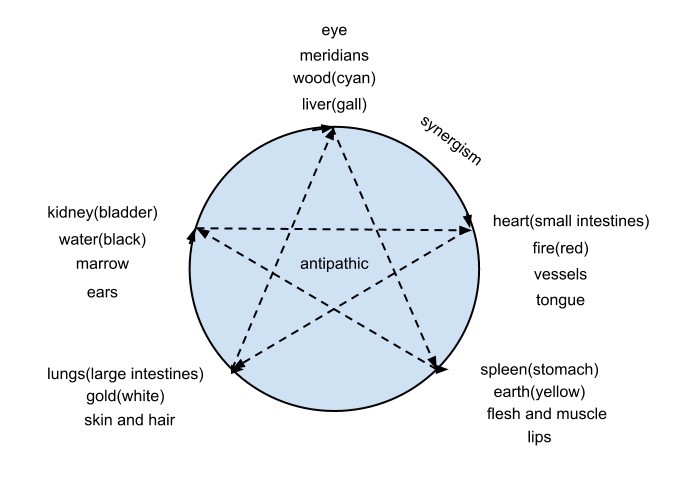 Cang Xiang Xue Shuo (藏象学说)
It is first appeared in the chapter of six Sections of Discussions on Visceral Manifestation in Su Wen.
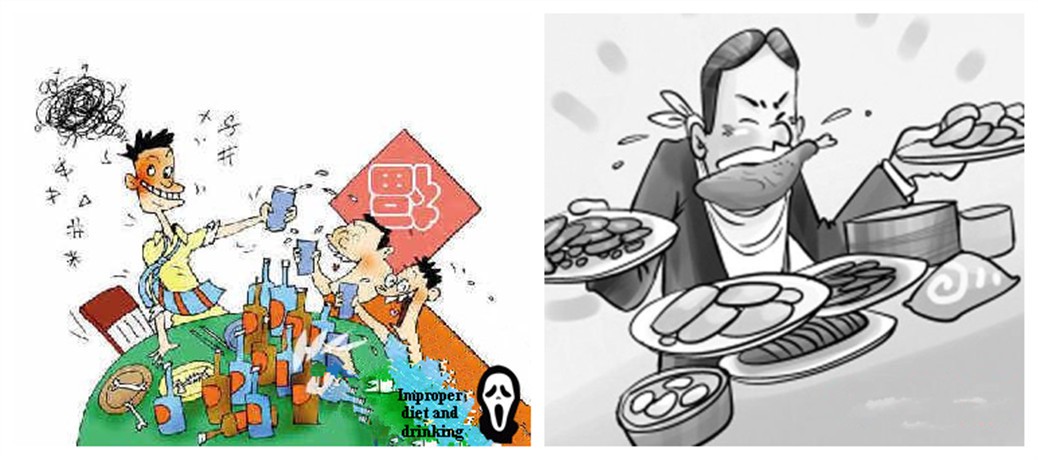 Yin Shi Bu Dang (饮食不当): TCM Concept Guide
Diet is indispensable to human existence and is the main route for human being to obtain nutrient substances from the natural world.
Lao Yi Guo Du (劳逸过度): TCM Concept Guide
Work and rest are two activities indispensable to human existence. Normal work is helpful for the flow of qi and blood and strengthening the body.
Yin Yang Shi Diao (阴阳失调): TCM Concept Guide
Normally yin and yang in the body maintain a dynamic balance through the interactions of inter-opposition, inter-dependence, inter-restriction and inter-transformation.
Something this article did not cover?
Ask us directly. We reply within two days, and good questions become public articles.
Ask a question →