
Heat-Clearing and toxicity-Removing Herbs
Ban Lan Gen: Chinese Herb Guide
Name
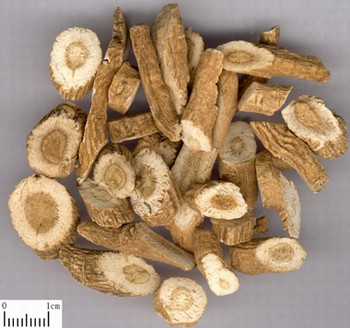
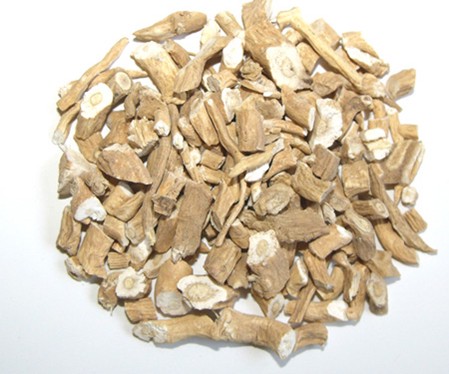
Ban Lan Gen (Radix Isatidis), recorded in Xinxiu Bencao.
Source and quality
Plant
The root of the biennial Isatis indigotica Fort., family Cruciferae.
Where it is grown
Shaanxi, Hebei, Jiangsu, Zhejiang and Anhui provinces.
Harvest
Collected in autumn.
Smell and taste
Faint smell; slightly sweet, bitter and astringent.
Better grade
Straight, thick and even root, solid and sufficiently mealy.
Processing
Sliced; used raw.
Nature and action
Bitter and cold; enters the lung, stomach, heart and liver channels. Clears heat and removes toxicity, cools the blood, and relieves sore throat.
When it is used
Warm disease and external invasion of wind-heat
Ban Lan Gen and Da Qing Ye come from the same plant, Isatis indigotica, but use different medicinal parts. They are similar in nature and action: both clear heat and purge fire when the heat enters the qi system, and both clear heat and cool the blood when it enters the blood system. Both are widely indicated at every stage of warm disease and in exterior wind-heat patterns, and they are commonly combined for mumps, erysipelas and fever with a swollen head from warm-toxin, each reinforcing the other.
Although its action of cooling the blood and clearing macular rash is not as strong as Da Qing Ye's, it specializes in removing toxicity, relieving sore throat and reducing swelling, which makes it the right choice for early warm disease or exterior wind-heat marked by fever and sore throat. It is used in Gan Mao Tui Re Chong Ji from the Pharmacopoeia of the People's Republic of China published in 1990, and is also often combined with herbs good at dispersing wind-heat to strengthen the effect, such as Bo He, Jin Yin Hua and Lian Qiao.
Where the heat blazes in both the qi and blood systems, or enters the nutrient and blood with high fever and macular rash, it is used to clear heat and remove toxicity and to cool the blood and clear the rash, and is often combined with other toxicity-removing and blood-cooling herbs so that heat is cleared from both systems: with Huang Qin, Zi Cao and Sheng Di Huang in Shen Xi Dan from Wenbing Tiaobian.
Swollen and sore throat
It is good at clearing heat from the heart and removing toxicity, and clearing heat from the lung and stomach to relieve sore throat and dissipate nodules. It is commonly used for a red, swollen, sore throat and red, swollen, painful cheeks, where the cause is interior excess heat-toxin, invasion by epidemic toxicity, or wind-heat.
It may be used alone, or combined with herbs that disperse wind-heat, remove toxicity and relieve the throat, such as Niu Bang Zi, Xuan Shen and Jie Geng in Pu Ji Xiao Du Yin from Dong Yuan Shi Xiao Fang.
Separately, because it clears heat, removes toxicity and cools the blood, it is also suited to sores and swollen, painful abscesses, red eyes, and vomiting of blood or nosebleed from blood heat.
Dose
Decoction 15~30 g, or 60~120 g as a large dose; also made into pills or powder. Use externally as appropriate.
Sources and further reading
We cite classical materia medica and modern reference works. This article is health education, not medical advice.
- Shennong Bencao Jing (The Divine Farmer's Materia Medica), Han dynasty.
- Bencao Gangmu (Compendium of Materia Medica), Li Shizhen, 1578.
- Chinese Pharmacopoeia, current edition — identity, quality and safety monographs.
- NCCIH and WHO reference material on traditional medicine safety.
Spotted an error or a better source? Tell us — corrections are logged on our editorial policy page.
Did this article help you?
Your answer shapes what gets rewritten next.
Keep readingRelated entries
 Tie Xiu: Chinese Herb Guide
Tie Xiu: clear heat and remove toxicity, relieve palpitation and calm the liver.
 Da Qing Ye: Chinese Herb Guide
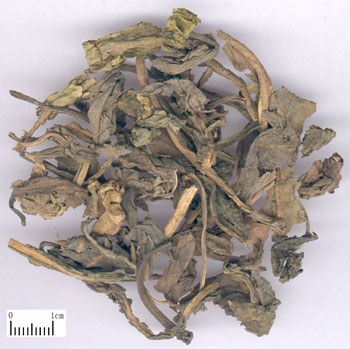
Da Qing Ye (Folium Isatidis). The leaf blade of biennial Isatis indigotica Fort. of family Cruciferae
 Zhu Dan: Chinese Herb Guide
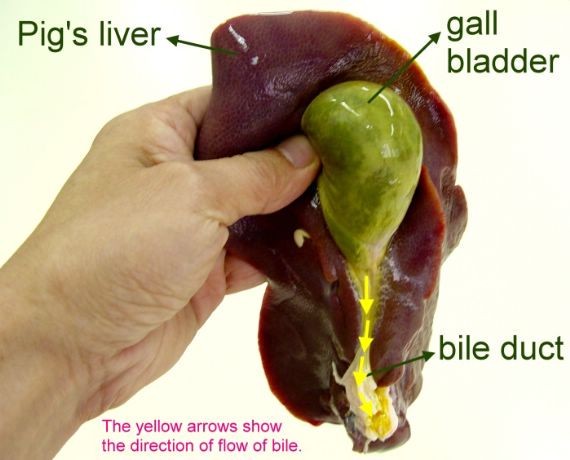
Zhu Dan (Pig's Gallbladder) Bitter, cold; liver, gallbladder, lung and large intestine channels
 Shi Jian Chuan: Chinese Herb Guide
Shi Jian Chuan: activate blood and resolve stagnation, clear heat and promote diuresis, dissipate nodulation and resolve swelling.
Something this article did not cover?
Ask us directly. We reply within two days, and good questions become public articles.
Ask a question →