
Damp-Resolving Herbs
Cao Guo
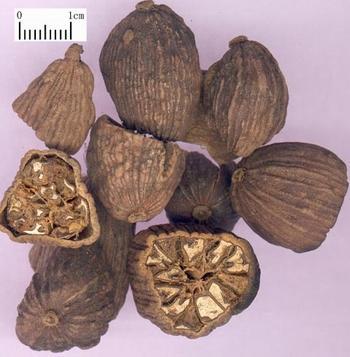
Naming
Cao Guo (Fructus Tsaoko) ——Yin Shan Zheng Yao (Principles of Correct Diet)
The Processing of Cao Guo
Origin
The mature fruit of Amomum tsao-ko Crevost et Lemaire of family Zingiberaceae.
Location
Yunnan, Guangxi and Guizhou provinces, etc.in China.
Harvest
Collected in autumn when the fruits are ripe.
The true smell and taste
Specially fragrant, pungent, slight bitter.
Best quality
Dry, big, full, red-brownish surface, strongly fragrant.
Processing
Dried in sun or in lower temperature, unprocessed, broken when used.
The Effect of Cao Guo
Property
Pungent, warm; spleen and stomach meridians entered.
Actions
Dry dampness and warm middle energizer, dispel phlegm and check malaria.
Indications
A. Syndrome of obstruction of cold-damp in middle energizer
It is drastically pungent, warm in property and strong in smell. It is the essential herb for the syndrome of obstruction of cold-damp in spleen-stomach for its strong actions of drying dampness and warming middle energizer. For gastric and abdominal cold pain, vomiting, hiccup and turbid-greasy tongue coating due to preponderance of cold-damp, it is usually combined with the middle-energizer-warming and vomiting-arresting herbs such as Wu Zhu Yu, Gan Jiang, Sha Ren and Ban Xia. It also can be used for diarrhea due to obstruction of cold-damp in middle energizer.
B. Malaria
It can remove turbidity with fragrance, warm spleen and dry dampness, dispel phlegm and check malaria. It is suitable for malaria due to cold-damp preponderance or cold-phlegm accumulation in middle energizer. For high fever with chills, it is usually combined with Chang Shan and Bing Lang. For malaria of preponderance of heat over cold, it is usually combined with Chai Hu and Huang Qin. For malaria of preponderance of cold over heat, it is usually combined with Fu Zi and Sheng Jiang.
Dosage and Administrations
Decoct 3~6 g.
Sources and further reading
We cite classical materia medica and modern reference works. This article is health education, not medical advice.
- Shennong Bencao Jing (The Divine Farmer's Materia Medica), Han dynasty.
- Bencao Gangmu (Compendium of Materia Medica), Li Shizhen, 1578.
- Chinese Pharmacopoeia, current edition — identity, quality and safety monographs.
- NCCIH and WHO reference material on traditional medicine safety.
Spotted an error or a better source? Tell us — corrections are logged on our editorial policy page.
Did this article help you?
Your answer shapes what gets rewritten next.
Keep readingRelated entries
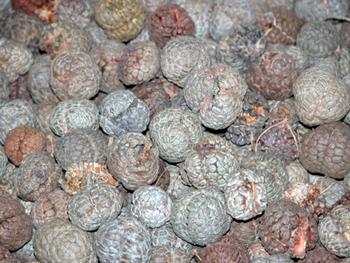 Cao Dou Kou (Katsumade Galangal Seed)
: dry dampness and move qi, warm middle burner and arrest vomiting.
Cao Dou Kou: Chinese Herb Guide
Name Cao Dou Kou (Semen Alpiniae Katsumadai) — Lei Gong Pao Zhi Lun (Lei’s Treaties on Preparation of Drugs) Source and quality Plant The immature seed of Alpinia katsumadai Hayata.
Cao Dou Kou (Katsumade Galangal Seed)
Cao Dou Kou (Katsumade Galangal Seed): dry dampness and move qi, warm middle burner and arrest vomiting.
Cao Dou Kou: Chinese Herb Guide
Name Cao Dou Kou (Semen Alpiniae Katsumadai) — Lei Gong Pao Zhi Lun (Lei’s Treaties on Preparation of Drugs) Source and quality Plant The immature seed of Alpinia katsumadai Hayata.
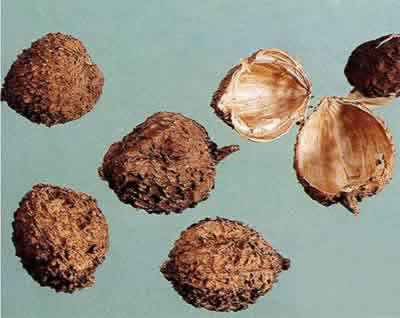 Sha Ren Ke: Chinese Herb Guide
Sha Ren Ke: eliminate dampness, stimulate the appetite, warm the spleen, arrest diarrhea, regulate the flow of qi and prevent abortion.
Cao Guo (Tsaoko Amomum Fruit)
Cao Guo (Fructus Tsaoko) — Yin Shan Zheng Yao (Principles of Correct Diet) The mature fruit of Amomum tsao-ko Crevost et Lemaire of family Zingiberace
Sha Ren Ke: Chinese Herb Guide
Sha Ren Ke: eliminate dampness, stimulate the appetite, warm the spleen, arrest diarrhea, regulate the flow of qi and prevent abortion.
Cao Guo (Tsaoko Amomum Fruit)
Cao Guo (Fructus Tsaoko) — Yin Shan Zheng Yao (Principles of Correct Diet) The mature fruit of Amomum tsao-ko Crevost et Lemaire of family Zingiberace
Something this article did not cover?
Ask us directly. We reply within two days, and good questions become public articles.
Ask a question →