
Wind-Damp-Dispelling and Pain-Alleviating Herbs
Cao Wu (Prepared Common Monkshood Daughter Root)
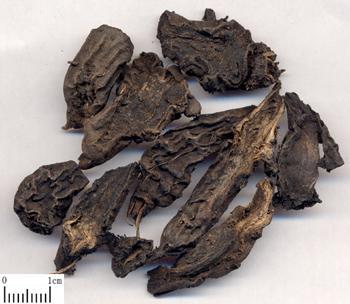
Name
Cao Wu (Radix aconiti agrestis)
The Effect of 草乌
Property
Pungent, bitter, hot; toxic; heart, liver, kidney and spleen meridians entered.
Actions
Dispel wind-damp, warm meridians and alleviate pain.
Indications
Arthralgia syndrome due to wind, cold, and dampness; pain of joints; cold pain of epigastrium and abdomen; pain of hernia due to cold; traumatic injury; pain of tendons and bones.
Dosage and Administrations
Decoct 1.5~3 g. Boil it first in water for a long time.
Cautions
The raw products should be used cautiously. It is antagonistic to Ban Xia, Gua Lou, Bei Mu, Bai Lian and Bai Ji.
Sources and further reading
We cite classical materia medica and modern reference works. This article is health education, not medical advice.
- Shennong Bencao Jing (The Divine Farmer's Materia Medica), Han dynasty.
- Bencao Gangmu (Compendium of Materia Medica), Li Shizhen, 1578.
- Chinese Pharmacopoeia, current edition — identity, quality and safety monographs.
- NCCIH and WHO reference material on traditional medicine safety.
Spotted an error or a better source? Tell us — corrections are logged on our editorial policy page.
Did this article help you?
Your answer shapes what gets rewritten next.
Keep readingRelated entries
Wu Tou (Prepared Common Monkshood Daughter Root)
Cao Wu (Radix aconiti agrestis) Acrid, bitter, hot; toxic; heart, liver, kidney and spleen channels
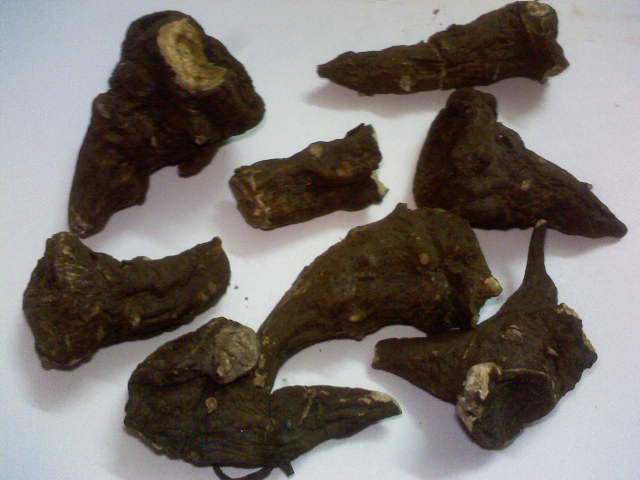 Chuan Wu (Common Monkshood Mother Root)
: dispel wind-damp, warm meridians and alleviate pain.
Cao Wu (Prepared Common Monkshood Daughter Root)
Cao Wu (Prepared Common Monkshood Daughter Root): dispel wind-damp, warm meridians and alleviate pain.
Chuan Wu (Common Monkshood Mother Root)
Chuan Wu (Common Monkshood Mother Root): dispel wind-damp, warm meridians and alleviate pain.
Cao Wu (Prepared Common Monkshood Daughter Root)
Cao Wu (Prepared Common Monkshood Daughter Root): dispel wind-damp, warm meridians and alleviate pain.
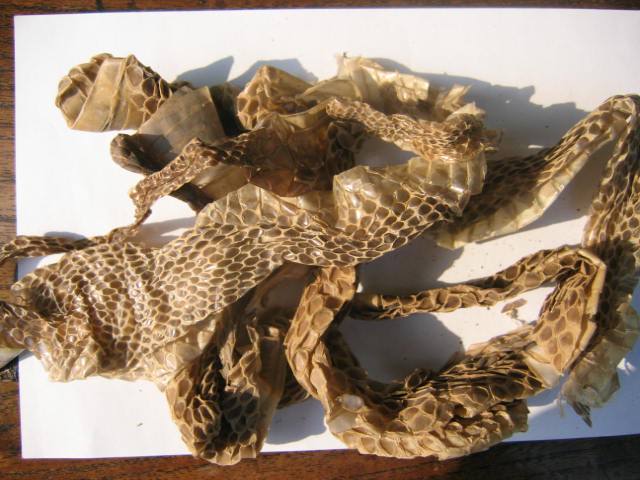 Snake Slough (Periostracum Serpentis)
She Tui: dispel wind, remove nebula, induce tranquilization, resolve swelling and kill parasites.
Snake Slough (Periostracum Serpentis)
She Tui: dispel wind, remove nebula, induce tranquilization, resolve swelling and kill parasites.
Something this article did not cover?
Ask us directly. We reply within two days, and good questions become public articles.
Ask a question →