
Blood-Activating and Menstruation-Regulating Herbs
Ji Xue Teng (Suberect Spatholobus Stem)
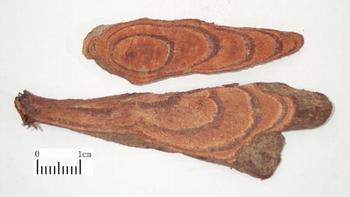
Naming
Ji Xue Teng (Caulis Spatholobi)——Ben Cao Gang Mu Shi Yi (A Supplement to the Compendium of Materia Medica)
The Processing of Caulis Spatholobi
Origin
The vine of bush Spatholobus suberectus Dunn. of family Pulse.
Location
Guangxi and Yunnan provinces in China.
Harvest
Collected in autumn and winter.
The actual smell and taste
Light smell and astringent taste.
Best quality
Full of resin-like substance.
Processing
Unprocessed or made ointment.
The Effect of Caulis Spatholobi
Property
Bitter, lightly sweet, warm; Liver and kidney meridians entered.
Actions
Move blood and nourish blood, relax tendon and activate collateral.
Indications
A. Irregular menstruation, dysmenorrhea and amenorrhea
This herb is neither dry nor drastic. It tends to move without breaking and tonify blood without stagnant. It is indicated for irregular menstruation, amenorrhea, dysmenorrhea and unsmooth menstruating caused by blood stasis or deficiency through combinations especially for stasis with blood deficiency. It is respectively combined with blood-activating and blood tonics and menstruation-regulating herbs according to deficiency or excess syndromes. For irregular menstruation, amenorrhea and dysmenorrhea due to stasis, it is combined with blood-activating and menstruation-regulating herbs such as Chuan Xiong, Dan Shen and Hong Hua, etc. For irregular menstruation, amenorrhea and dysmenorrhea due to blood deficiency, it is combined with blood-tonifying and menstruation-regulating herbs such as Dang Gui, Shu Di and Bai Shao, etc.
B. Wind-damp arthralgia, numbness of hands and feet, paralysis
This herb can both move and tonify blood accompanied by the actions of soothing tendon and activating collaterals. It is indicated for body numbness, weakness and pain of lower back and knees, paralysis resulted from blood deficiency failing to nourish tendon, and stasis blocking meridians and collaterals through combinations. It does not work as a major herb, but when combined with wind-damp-dispelling herbs such as Du Huo, Wei Ling Xian and Sang Ji Sheng etc., the action is enhanced in treating arthralgia due to wind and dampness. For paralysis due to apoplexy, it is combined with qi tonics, blood-activating and collateral-dredging herbs.
Dosage and Administrations
Decoct 3~10g. Or soaked in wine or made ointment.
Sources and further reading
We cite classical materia medica and modern reference works. This article is health education, not medical advice.
- Shennong Bencao Jing (The Divine Farmer's Materia Medica), Han dynasty.
- Bencao Gangmu (Compendium of Materia Medica), Li Shizhen, 1578.
- Chinese Pharmacopoeia, current edition — identity, quality and safety monographs.
- NCCIH and WHO reference material on traditional medicine safety.
Spotted an error or a better source? Tell us — corrections are logged on our editorial policy page.
Did this article help you?
Your answer shapes what gets rewritten next.
Keep readingRelated entries
Ji Xue Teng: Chinese Herb Guide
Ji Xue Teng: move blood and nourish blood, relax tendon and activate collateral.
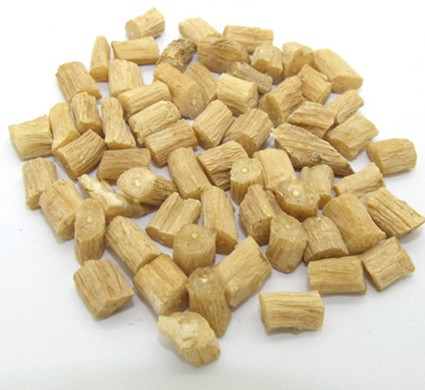 Niu Xi (Twotooth Achyranthes Root)
: activate blood and dredge meridians, tonify liver and kidney, strengthen tendon and bone, promote diuresis and relieve.
Niu Xi (Twotooth Achyranthes Root)
Niu Xi (Twotooth Achyranthes Root): activate blood and dredge meridians, tonify liver and kidney, strengthen tendon and bone, promote diuresis and relieve.
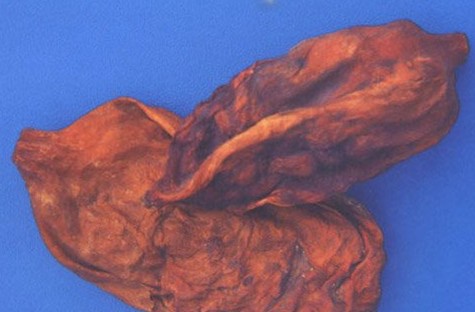 Xiao Ye Lian: Chinese Herb Guide
Xiao Ye Lian (Fructus Podophylli) Sweet, neutral, toxic; liver, kidney, spleen and stomach channels
Xiao Ye Lian: Chinese Herb Guide
Xiao Ye Lian (Fructus Podophylli) Sweet, neutral, toxic; liver, kidney, spleen and stomach channels
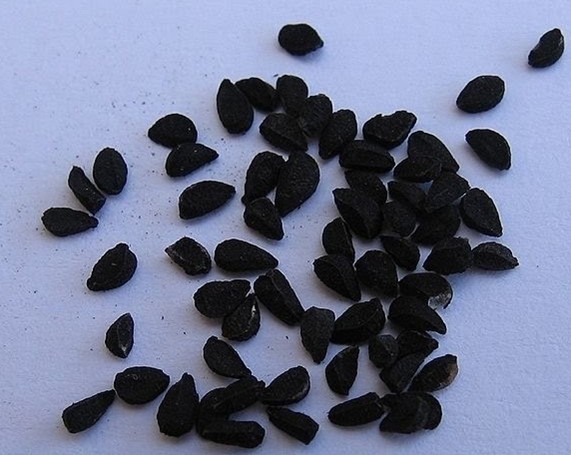 Hei Zhong Cao Zi: Chinese Herb Guide
Hei Zhong Cao Zi: activate blood and stimulate the menstrual flow, promote diuresis and remove calculus, tonify the kidney and brain.
Hei Zhong Cao Zi: Chinese Herb Guide
Hei Zhong Cao Zi: activate blood and stimulate the menstrual flow, promote diuresis and remove calculus, tonify the kidney and brain.
Something this article did not cover?
Ask us directly. We reply within two days, and good questions become public articles.
Ask a question →