
Heat-Clearing and Dampness-Drying Herbs
Cortex Phellodendri (Amur Corktree Bark): Pharmacognosy
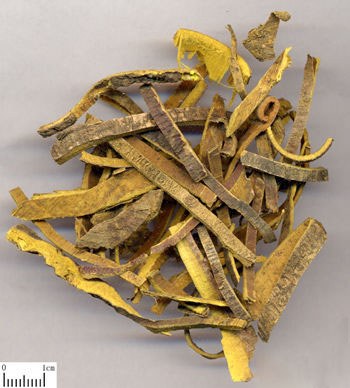
Name
Huang Bo (Cortex Phellodendri), recorded in the Shennong Bencao Jing.
Source and quality
Plant
The bark of Phellodendron amurense Rupr. or P. chinense Schneid., trees of the family Rutaceae, with the outer bark scraped off.
Where it is grown
P. amurense is called Guang Huang Bai and comes mainly from Liaoning and Jilin; P. chinense is called Chuan Huang Bai and comes mainly from Sichuan and Guizhou.
Harvest
Part of the bark is cut from mature trees between March and June.
Smell and taste
Faintly scented; bitter.
Better grade
Thick bark with a yellow cross-section, sticky when chewed.
Processing
Used unprocessed, parched, or prepared with salt.
Nature and action
Bitter and cold; enters the liver, gallbladder, large intestine, kidney and bladder channels. Clears heat and dries dampness, purges fire and removes toxicity, and subdues deficiency heat.
When it is used
Damp-heat patterns
It shares the bitter-cold nature of Huang Qin and Huang Lian but clears heat and dries dampness more strongly. It is often used alongside them. Because it travels mainly to the liver, gallbladder, large intestine and bladder to clear damp-heat from the lower burner, it is a common choice for eczema, damp sores, red swollen and burning pain in the feet and knees, atrophic lower limbs, and vulval itching or swelling from damp-heat descending.
For jaundice from damp-heat it is combined with herbs that clear heat, resolve dampness and relieve jaundice, as with Zhi Zi in Zhi Zi Bai Pi Tang from Shang Hai Lun. It is also used with heat-clearing, dampness-drying, toxicity-removing and dysentery-checking herbs, as with Huang Lian and Bai Tou Weng in Bai Tou Weng Tang from Shanghan Lun.
For strangury it is combined with strangury-relieving diuretics, as with Che Qian Zi and Bi Xie in Bi Xie Fen Qing Yin from Yi Xue Xin Wu. For yellow, foul-smelling leukorrhea, vulval itching or swelling, damp eczema and damp sores, or red swollen burning pain in the feet and knees, it is often paired with Cang Zhu to invigorate the spleen and dry dampness, the foundation of Er Miao San from Dan Xi Xin Fa for damp-heat patterns. With herbs that soothe the sinews such as Niu Xi and Yi Yi Ren it works better still, as in San Miao Wan from Yi Xue Zheng Zhuan and Si Miao Wan from Cheng Fang Bian Du. Externally it is used for eczema, damp sores, leukorrhea and vulval itching, powdered or made into an ointment, or washed with the decoction.
Heat-toxin syndromes of abscesses and sores
Its heat-clearing and toxicity-removing action is similar to Huang Qin and Huang Lian, and it is used mainly for abscesses and sores of the skin and the five zang organs. Used alone it works well, taken by mouth or applied externally, but it is better combined with toxicity-removing and abscess-curing herbs such as Huang Lian, Yin Hua and Lian Qiao. It is weaker than Huang Lian for clearing toxicity and curing abscesses, so it is often combined with it, as in Huang Lian Jie Du Tang taken by mouth and Huang Lian Gao applied externally. It is also used for burns.
Yin deficiency with effulgent fire
Bitter and cold with clearing and descending action, and entering the kidney channel, it is suited to settling deficiency heat and descending fire in order to strengthen yin. It is used for vexing heat in the chest, palms and soles, tidal fever, night sweats and seminal emission, and is reinforced with Zhi Mu to relieve deficiency fever and descend fire, since it lacks Zhi Mu's moistening and tonifying of yin. Yin deficiency with effulgent fire refers to deficiency of the kidney's congenital yin, so yin-tonifying herbs are needed to treat the root, as with Shu Di Huang and Gui Ban in Da Bu Yin Wan from Dan Xi Xin Fa.
It is also used for excess heat in the zang-fu organs, clearing excess fire from the liver, gallbladder and stomach: alone for red, swollen, painful eyes from liver fire in Wu Xing Tang from Yan Ke Long Mu Lun, for diabetes from stomach heat in Du Xing Fang, and singly in Qian Jin Fang for mouth sores from stomach heat.
Dose
Decoction 6~10 g. Use externally as appropriate. The raw herb clears heat, dries dampness, removes toxicity and purges fire strongly, and suits damp-heat, heat-toxin and zang-fu excess heat patterns. The salt-prepared form moderates its bitterness and dryness and lets it enter the kidney channel more readily, so it is the one used for yin deficiency with effulgent fire.
Cautions
Contraindicated in deficiency-cold patterns. Overdosage or long-term use impairs the spleen and stomach.
Sources and further reading
We cite classical materia medica and modern reference works. This article is health education, not medical advice.
- Shennong Bencao Jing (The Divine Farmer's Materia Medica), Han dynasty.
- Bencao Gangmu (Compendium of Materia Medica), Li Shizhen, 1578.
- Chinese Pharmacopoeia, current edition — identity, quality and safety monographs.
- NCCIH and WHO reference material on traditional medicine safety.
Spotted an error or a better source? Tell us — corrections are logged on our editorial policy page.
Did this article help you?
Your answer shapes what gets rewritten next.
Keep readingRelated entries
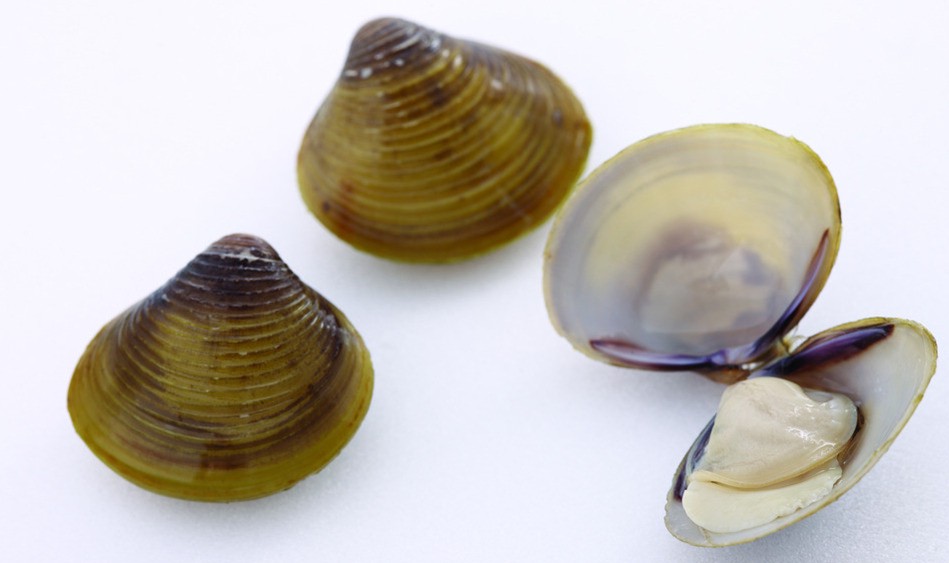 Anodonta clam shell-powder
: resolve phlegm and dissipate stagnation, clear heat and dry dampness.
Anodonta clam shell-powder
Anodonta clam shell-powder: resolve phlegm and dissipate stagnation, clear heat and dry dampness.
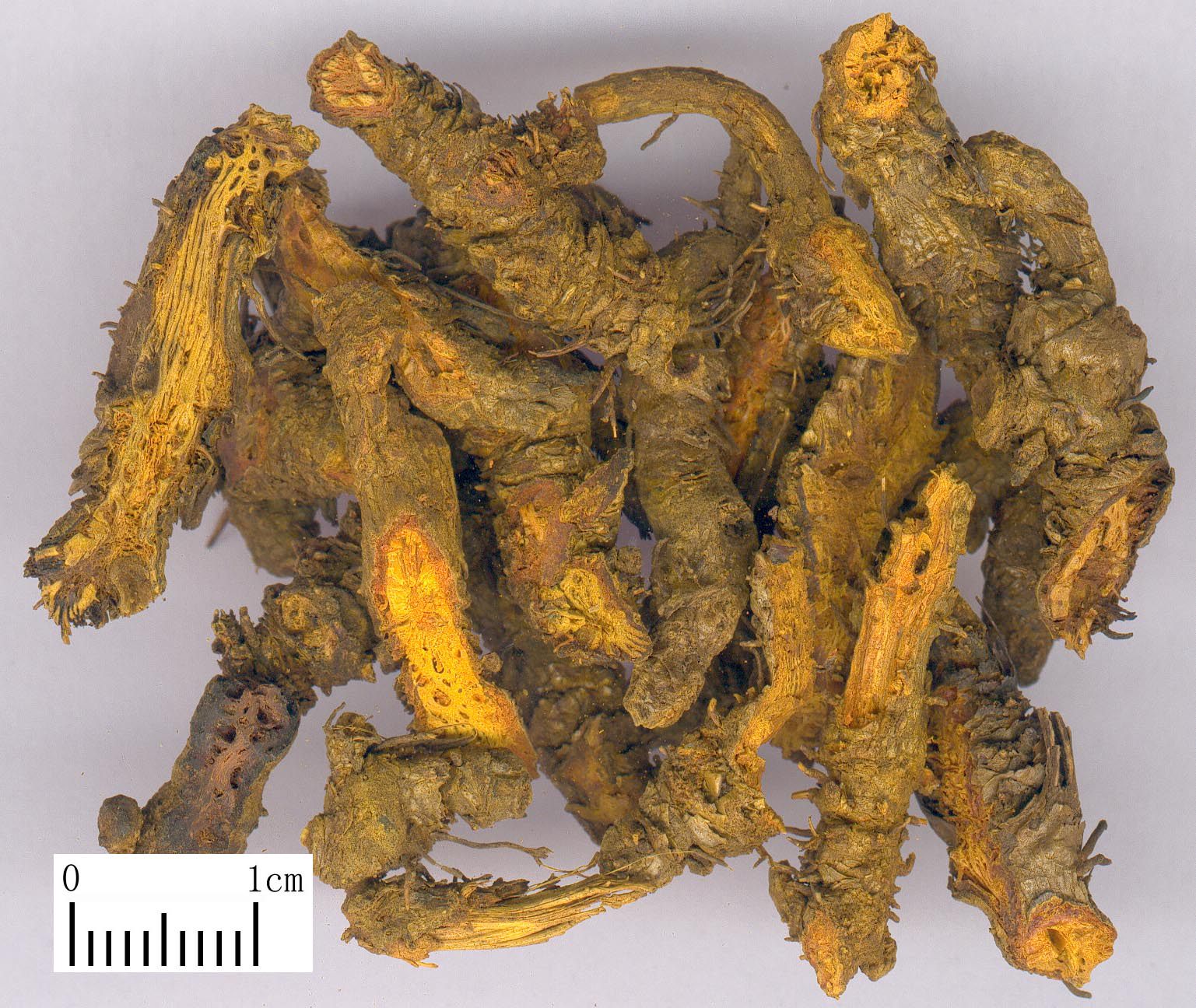 Huang Lian (Rhizome of Chinese goldthread)
: clear heat and dry dampness, purge fire and relieve toxicity.
Huang Lian (Rhizome of Chinese goldthread)
Huang Lian (Rhizome of Chinese goldthread): clear heat and dry dampness, purge fire and relieve toxicity.
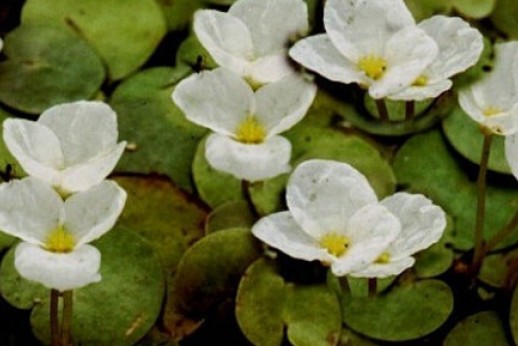 Shui Bie (Frogbit herb)
: whole herb is used as emmenagogue, for the treatment of leukorrhea with reddish discharge.
Shui Bie (Frogbit herb)
Shui Bie (Frogbit herb): whole herb is used as emmenagogue, for the treatment of leukorrhea with reddish discharge.
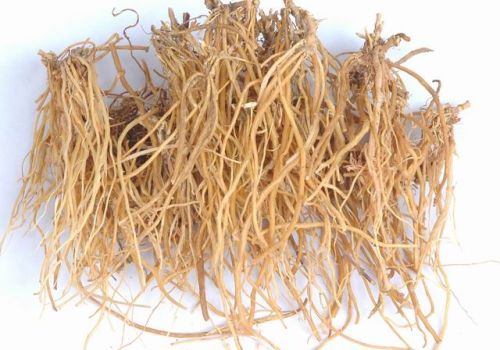 Long Dan: Chinese Herb Guide
Long Dan (Radix Gentianae). The root or rhizome of perennial herb Gentiana scabra Bge or Ctriflora pall or G
Long Dan: Chinese Herb Guide
Long Dan (Radix Gentianae). The root or rhizome of perennial herb Gentiana scabra Bge or Ctriflora pall or G
Something this article did not cover?
Ask us directly. We reply within two days, and good questions become public articles.
Ask a question →