
Da Xue Teng
NamingDa Xue Teng (Caulis Sargentodoxae) ——Ben Cao Tu Jing (Illustrated Manual of Materia Medica)The Processing of Da Xue TengOriginThe vine and stem of Sargentodoxa cuneata (Oliv. ) Rehd. et wils of family Lardizabalaceae.LocationMainly in Jiangxi, Hubei, Hunan, Jiangsu provinces, etc. of China.Har
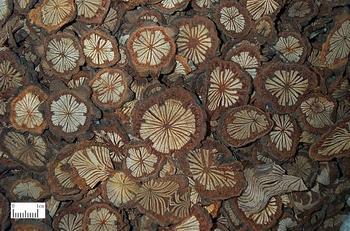
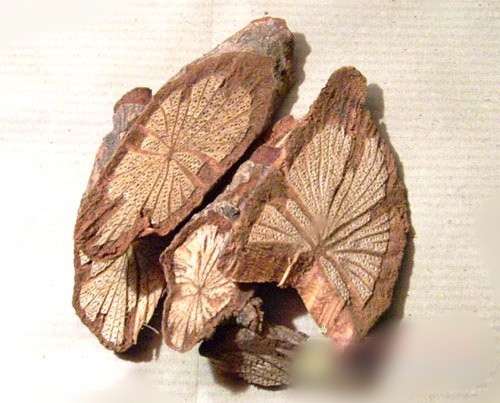
Naming
Da Xue Teng (Caulis Sargentodoxae) ——Ben Cao Tu Jing (Illustrated Manual of Materia Medica)
The Processing of Da Xue Teng
Origin
The vine and stem of Sargentodoxa cuneata (Oliv. ) Rehd. et wils of family Lardizabalaceae.
Location
Mainly in Jiangxi, Hubei, Hunan, Jiangsu provinces, etc. of China.
Harvest
Collected in autumn and winter.
The actual smell and taste
Light smell, slightly astringent taste.
Best quality
Even stem in brownish red color and fragrant in smell.
Processing
Cut into thick pieces, unprocessed.
The Effect of Da Xue Teng
Property
Bitter, pungent, slightly cold; large intestine and liver meridians entered.
Actions
Clear heat and remove toxicity, activate blood and alleviate pain.
Indications
A. Sores and abscess due to heat-toxicity
Its properties and actions are similar to that of Bai Jiang Cao; it is also regarded as an essential herb for treating intestinal abscess, and often combined with Bai Jiang Cao for mutual reinforcement. It is not as good as Bai Jiang Cao in actions of clearing heat and removing toxicity but better in activating blood. So it is much suitable for treating initial intestinal abscess, heat-toxicity accumulation with blood stasis, abdominal pain with distention and fullness, and often combined with heat-clearing and toxicity-removing, blood-activating am stasis-resolving herbs to reinforce the effects. For instance, it is used with Zi Hua Di Ding, Da Huang and Dang Gui,etc. , as in Jing Yue Quan Shu. For pulmonary abscess and dermal sores and abscess with swelling pain, it is often combined with Jin Yin Hua, Lian Qiao, and Chuan Bei Mu, etc.
B. Pain due to blood stasis, arthralgia due to wind and dampness
With the actions of activating blood and resolving stasis, and relieving swelling and alleviating pain, it is indicated for various kinds of pain caused by stasis. For traumatic injury, swollen pain due to blood stasis, it can be combined with Gu Sui Bu. Xu Duan and Chi Shao which are specialized in activating blood and healing injury. For menstrual irregularities and dysmenorrhea due to stasis, it should be combined with blood-activating and menstruation-regulating herbs, such as Dang Gui, Xiang Fu and Yi Mu Cao, etc. In addition, it has the actions of activating blood and relieving pain, dispelling wind and activating collaterals; it is also suitable for treating arthralgia due to wind-damp, pain of waist and legs, and difficulty in joints movement, and should be combined with Du Huo, Fang Feng and Niu Xi, etc. which are herbs for relieving wind-damp and activating blood.
Dosage and Administrations
Decoct 9~15 g. Proper dosage is for topical application.
Cautions
It should be used cautiously for pregnant women.
Did this article help you?
Your answer directly shapes how this article gets rewritten. Several sections on this site exist because readers asked for them.
Keep readingRelated for you
 Bai Jiang Cao
NamingBai Jiang Cao (Herba Patriniae)——Shen Nong Ben Cao Jing (Shen Nong’s Herbal)The Processing of Bai Jiang Cao OriginThe entire plants of Patrinia scabiosaefolia Fisch. ex Link. and P. villose Juss. of family Valerianaceae.LocationPlanted in most areas of China, and mainly produced in Sichuan, He
Bai Jiang Cao
NamingBai Jiang Cao (Herba Patriniae)——Shen Nong Ben Cao Jing (Shen Nong’s Herbal)The Processing of Bai Jiang Cao OriginThe entire plants of Patrinia scabiosaefolia Fisch. ex Link. and P. villose Juss. of family Valerianaceae.LocationPlanted in most areas of China, and mainly produced in Sichuan, He
 Zi Hua Di Ding
NamingZi Hua Di Ding (Herba Violae)——Ben Cao Gang Mu (Compendium of Materia Medica)The Processing of Zi Hua Di DingOriginThe entire plants of Viola yedoensis Makino of family Violaceae.LocationFrom the downstream area of Yangtze River to southern provinces.HarvestCollected in spring and autumn.The a
Zi Hua Di Ding
NamingZi Hua Di Ding (Herba Violae)——Ben Cao Gang Mu (Compendium of Materia Medica)The Processing of Zi Hua Di DingOriginThe entire plants of Viola yedoensis Makino of family Violaceae.LocationFrom the downstream area of Yangtze River to southern provinces.HarvestCollected in spring and autumn.The a
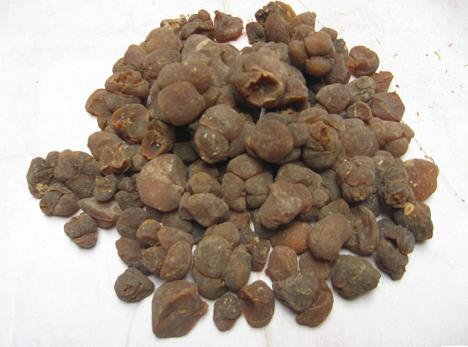 Tu Bei Mu
NameTu Bei Mu (Rhizome of Paniculate Bolbostemma)The Effect of Tu Bei MuPropertyBitter, cool; lung and spleen meridians entered.ActionsDissipate nodulation and resolve carbuncle and swelling.IndicationsAcute mastitis, scrofula, subcutaneous nodule, sores and boils, snake and insect bites.Dosage and
Tu Bei Mu
NameTu Bei Mu (Rhizome of Paniculate Bolbostemma)The Effect of Tu Bei MuPropertyBitter, cool; lung and spleen meridians entered.ActionsDissipate nodulation and resolve carbuncle and swelling.IndicationsAcute mastitis, scrofula, subcutaneous nodule, sores and boils, snake and insect bites.Dosage and
Something this article didn't cover?
Ask us directly — we reply within 2 days. Great questions become public articles.
Ask a question →