
Blood Tonics
Dang Gui (Chinese Angelica)
Name
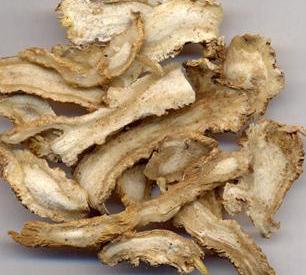
Dang Gui (Radix Angelicae Sinensis), recorded in the Shennong Bencao Jing.
Source and quality
Plant
The root of the perennial Angelica sinensis (Oliv.) Diels, family Apiaceae (Umbelliferae).
Where it is grown
Gansu, Sichuan and Shaanxi provinces.
Harvest
Lifted in late autumn.
Smell and taste
Strongly fragrant; sweet, acrid and slightly bitter.
Better grade
Brown-yellow skin, full-bodied, with a white cross-section.
Processing
Used unprocessed, or dry-fried with liquor.
Nature and action
Sweet, acrid and warm; enters the heart and liver channels. Tonifies and activates the blood, alleviates pain, regulates menstruation and moistens the intestines.
When it is used
Insufficiency of blood
An essential herb for tonifying blood, indicated in blood deficiency syndromes of every kind, especially where deficiency is accompanied by stasis, because it is skilled at tonifying while it moves the blood.
For a sallow complexion, vertigo and palpitations from blood deficiency, it is combined with other blood-tonifying herbs matched to the pattern: with Shu Di Huang, Chuan Xiong and Bai Shao in Si Wu Tang from Taiping Huimin Heji Jufang. For palpitations, insomnia, dream-disturbed sleep and forgetfulness from heart deficiency accompanying blood deficiency, it is combined with heart-nourishing and tranquilizing herbs, as with Suan Zao Ren and Bai Zi Ren in Tian Wang Bu Xin Dan from She Sheng Mi Pou. Where blood deficiency is accompanied by qi deficiency it is combined with qi tonics, as with Huang Qi in Dang Gui Bu Xue Tang from Nei Wai Shang Bian Huo Lun.
Pain from blood deficiency, blood stasis and congealing cold
It is used for pain of every kind driven by blood deficiency, blood stasis or cold congealing around the blood, because it tonifies the blood, moves it, disperses cold and relieves pain. The pairing depends on the cause.
For abdominal pain from blood deficiency with a cold pathogen, it is combined with herbs that warm the interior and dispel cold, as with Sheng Jiang and Yang Rou in Dang Gui Sheng Jiang Yang Rou Tang from Jingui Yaolue. For painful obstruction of the vessels from congealing cold, it is combined with herbs that dispel cold and smooth the vessels, as with Gui Zhi and Chuan Mu Tong in Dang Gui Si Ni Tang from Shanghan Lun. For hematoma, swelling and pain after a fall or a blow, it is combined with herbs that move blood, relieve pain and heal injury, as with Ru Xiang, Su Mu and Tu Bie Chong in Huo Xue Zhi Tong Tang from Shang Ke Da Cheng.
Irregular menstruation, amenorrhea and dysmenorrhea
An essential herb in gynecology for irregular menstruation, amenorrhea and dysmenorrhea, because it tonifies and moves the blood, regulates menstruation and relieves pain. It is especially suited to menstrual problems driven by blood deficiency, blood stasis or cold congealing.
For delayed menstruation with scanty, pale flow it is combined with herbs such as Shu Di Huang and Bai Shao in Si Wu Tang, which is skilled at tonifying blood and regulating menstruation. Where the problem combines deficiency, stasis and cold, it is combined with herbs that warm the channels and disperse cold, as with Wu Zhu Yu and Gui Zhi in Wen Jing Tang from Jingui Yaolue. Where liver constraint and qi stagnation lead to blood stasis, it is combined with herbs that soothe the liver and move qi, as with Chai Hu in Xiao Yao San from Taiping Huimin Heji Jufang.
Beyond menstruation itself, it is indicated for any blood-deficiency or blood-stasis pattern before or after delivery.
Ulcers and sores
It is used for ulcers, especially where pus has not broken through or an ulcer will not heal because of blood deficiency: it promotes circulation, reduces swelling, relieves pain, tonifies the blood and improves tissue growth, and although warm in nature it is chiefly a blood tonic that supports healthy qi.
For ulcers and sores without pus, it is combined with herbs that tonify qi, expel toxin and pus, and move the blood, as with Huang Qi and Zao Jiao Ci in Tou Nong San from Wai Ke Zheng Zong. For ulcers and sores that will not heal, it is combined with qi and blood tonics, as with Ren Shen and Shu Di Huang in Shi Quan Da Bu Tang from He Ji Ju Fang. Where heat-toxin is excessive and the sore is red, swollen, hot and painful, it is combined with herbs that clear heat-toxin, reduce swelling and heal the ulcer, as with Jin Yin Hua and Tian Hua Fen in Xian Fang Huo Ming Yin from Jiao Zhu Fu Ren Liang Fang.
Constipation from intestinal dryness
It is used for constipation from blood deficiency with intestinal dryness, because it tonifies the blood and moistens dryness to nourish the intestines and smooth the stool. It is combined with blood-nourishing, dryness-moistening and stool-smoothing herbs, such as raw He Shou Wu and Huo Ma Ren.
Separately, it is also indicated for cough and wheezing, because it relieves wheezing.
Dose
Decoction 6~12 g. Commonly used raw; the form dry-fried with alcohol is used to promote blood circulation.
Cautions
Contraindicated when damp-heat stagnates in the middle, in lung heat with phlegm fire, and in yin deficiency with effulgent yang, because it is sweet and warm. Use carefully with loose stool, since it moistens the intestines and smooths the stool.
Sources and further reading
We cite classical materia medica and modern reference works. This article is health education, not medical advice.
- Shennong Bencao Jing (The Divine Farmer's Materia Medica), Han dynasty.
- Bencao Gangmu (Compendium of Materia Medica), Li Shizhen, 1578.
- Chinese Pharmacopoeia, current edition — identity, quality and safety monographs.
- NCCIH and WHO reference material on traditional medicine safety.
Spotted an error or a better source? Tell us — corrections are logged on our editorial policy page.
Did this article help you?
Your answer shapes what gets rewritten next.
Keep readingRelated entries
 Zhu Ti: Chinese Herb Guide
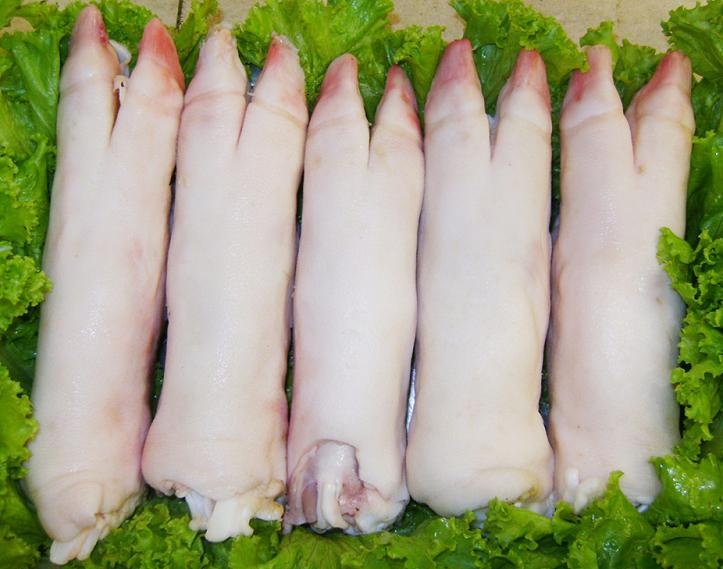
Zhu Ti: tonify qi and blood, nourish the skin, promote the secretion of lactation, remove toxicity of sores and boils.
 Ying Tao: Chinese Herb Guide
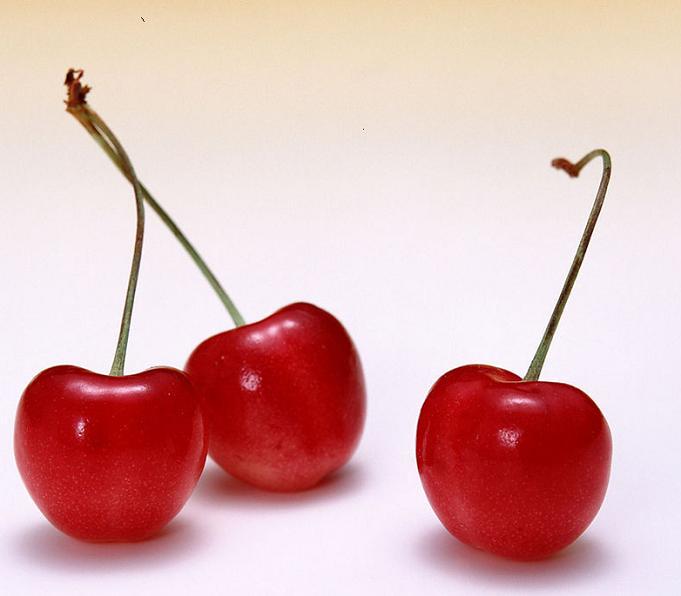
Ying Tao (Cherry) Sweet, warm; spleen, stomach and kidney channels. Actions Tonify blood and replenish the kidney
Dang Gui (Chinese Angelica)
Dang Gui: tonify blood, activate blood, alleviate pain, regulate menstruation, and moisten intestines.
 Fu Ba: Chinese Herb Guide
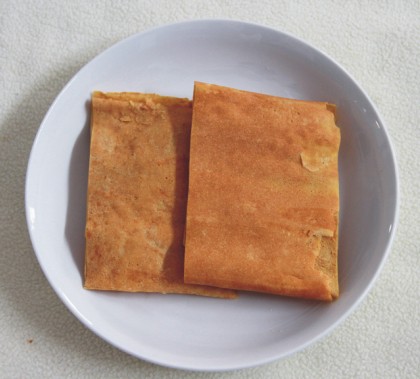
Fu Ba Bitter, neutral, sweet; stomach channel. Actions Strengthen the spleen, clear heat and treat strangury and leukorrhea
Something this article did not cover?
Ask us directly. We reply within two days, and good questions become public articles.
Ask a question →