
Qi Tonics
Dang Shen: Chinese Herb Guide
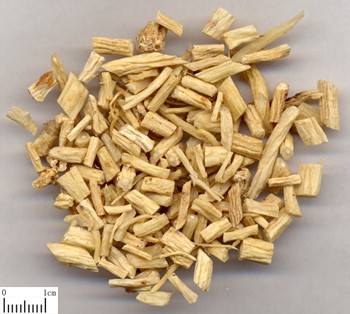
Name
Dang Shen (Radix Codonopsis), recorded in Zeng Ding Ben Cao Bei Yao.
Source and quality
Plant
The root of the perennial Codonopsis pilosula (Franch.) Nannf., C. pilosula Nannf. var. modesta (Nannf.) L. T. Shen, or C. tangshen Oliv., family Campanulaceae.
Where it is grown
Shanxi, Shaanxi and Gansu provinces.
Harvest
Lifted in autumn.
Smell and taste
Distinctively fragrant, with a strong smell and a slightly sweet flavor.
Better grade
Stout root, soft and moist, and chewed without leaving dregs.
Processing
Cut into thick slices; used raw.
Nature and action
Sweet and neutral; enters the lung and spleen channels. Invigorates lung qi and spleen qi, nourishes the blood, and promotes the generation of body fluid.
When it is used
Lung and spleen qi deficiency
Dang Shen resembles Ren Shen but is weaker, and it invigorates lung and spleen qi without being either dry or greasy. It is therefore used for the syndromes caused by deficiency of spleen and lung qi.
For a mild spleen-lung qi deficiency it substitutes for Ren Shen in formulas such as Si Jun Zi Tang, Bu Zhong Yi Qi Tang and Gui Pi Tang. For weakness of constitution, lassitude, poor appetite and loose stool from spleen qi deficiency, it is combined with herbs that tonify the spleen and remove dampness, such as Bai Zhu and Fu Ling.
For anal prolapse, prolonged diarrhea or prolapse of internal organs caused by collapse of the middle qi from spleen qi deficiency, it is combined with herbs that tonify qi and raise yang, such as Huang Qi and Sheng Ma. For cold pain in the stomach and abdomen, or vomiting and diarrhea, from spleen qi deficiency with a cold pathogen, it is combined with herbs that tonify the spleen and warm the middle, such as Bai Zhu and Gan Jiang.
For chronic bleeding from spleen qi deficiency failing to hold the blood in the vessels, it can be used alone in a large dose to tonify qi and hold the blood in place, or combined with other qi-tonifying and bleeding-stopping herbs to strengthen the effect. For shortness of breath, cough and wheezing, and difficulty speaking with a faint, low voice from lung qi insufficiency, it is combined with herbs that tonify the lung and relieve asthma, such as Huang Qi, Wu Wei Zi and Ge Jie.
Blood deficiency, or deficiency of both qi and blood
It can tonify both qi and blood, though it is weaker than Ren Shen and is commonly used as a substitute for it. It is used for blood deficiency caused by insufficient qi production, and for combined qi and blood deficiency of the same origin. These patterns come with a pale or sallow complexion, lassitude, vertigo and palpitations. It is used together with herbs that nourish yin and generate body fluid, such as Mai Dong and Wu Wei Zi.
Dose
Decoction 10~30 g.
Sources and further reading
We cite classical materia medica and modern reference works. This article is health education, not medical advice.
- Shennong Bencao Jing (The Divine Farmer's Materia Medica), Han dynasty.
- Bencao Gangmu (Compendium of Materia Medica), Li Shizhen, 1578.
- Chinese Pharmacopoeia, current edition — identity, quality and safety monographs.
- NCCIH and WHO reference material on traditional medicine safety.
Spotted an error or a better source? Tell us — corrections are logged on our editorial policy page.
Did this article help you?
Your answer shapes what gets rewritten next.
Keep readingRelated entries
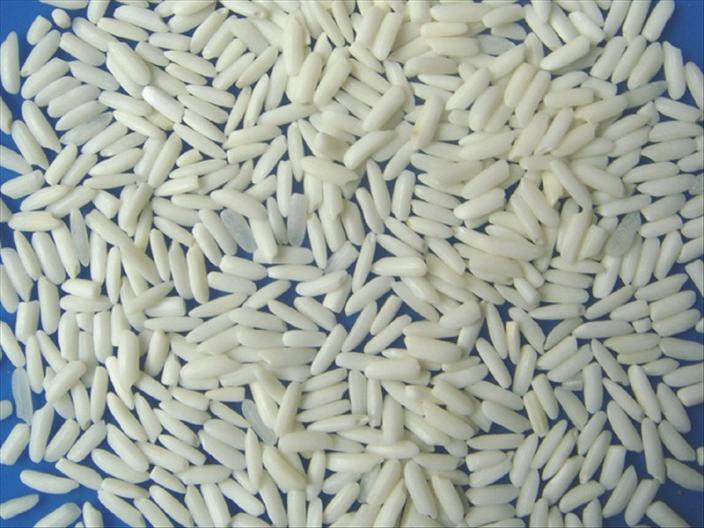 Nuo Mi: Chinese Herb Guide
Nuo Mi: tonify the spleen and stomach, replenish qi, arrest diarrhea, reduce urination, arresting sweating and remove toxicity.
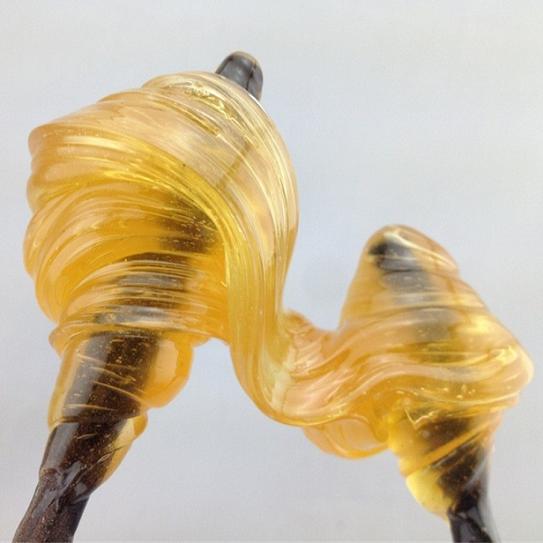 Cerealose: Chinese Herb Guide
Name Yi Tang (Cerealose) Nature and action Nature Sweet, warm; spleen, stomach and lung channels.
Dang Shen (Szechwon Tangshen Root)
党参: invigorate lung-qi and spleen-qi, nourish blood, and promote the generation of body fluid.
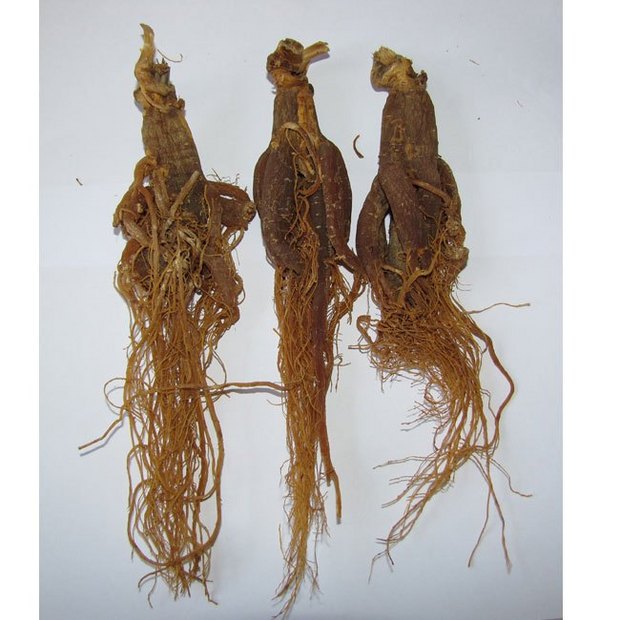 Hong Shen: Chinese Herb Guide
Hong Shen: tonify qi and blood, nourish yin, promote the secretion of saliva, strengthen the heart and stomach, induce sedation.
Something this article did not cover?
Ask us directly. We reply within two days, and good questions become public articles.
Ask a question →