
Blood-Activating and Mass-Eliminating Herbs
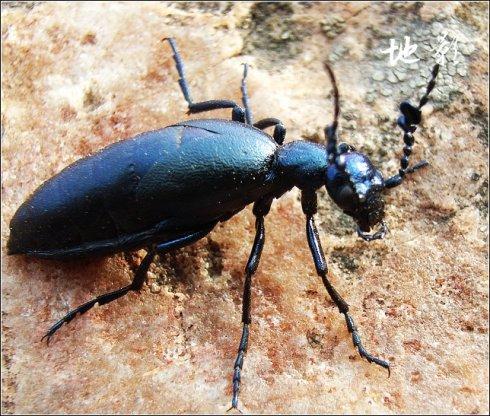
Di Dan (地胆)
Name
Di Dan (Meloes Coarctati Corpus)
Sources
The drug is the dried whole body of Meloe coarctatus Motschulsky (family Meloidae) , imago living in grasslands near roadside, and distributed in Northeast China, North China.
The Effect of 地胆
Property
Pungent, slightly warm, extremely toxic; lung meridian entered.
Actions
It is used to combat poisons, eliminate blood stasis and masses; for the treatment of scrofula, nasal polyp, mass formation in the abdomen, scabies, maligant sores, psoriasis, neurodermatitis.
Dosage and Administrations
It is made into pills or powder for oral taking. Proper dosage is for external application, pounded into powder or soaked in vinegar or made into ointment for applying on the affected area.
Contraindication
It is contraindicated to pregnant women and the weak. Be careful for oral administration.
Sources and further reading
We cite classical materia medica and modern reference works. This article is health education, not medical advice.
- Shennong Bencao Jing (The Divine Farmer's Materia Medica), Han dynasty.
- Bencao Gangmu (Compendium of Materia Medica), Li Shizhen, 1578.
- Chinese Pharmacopoeia, current edition — identity, quality and safety monographs.
- NCCIH and WHO reference material on traditional medicine safety.
Spotted an error or a better source? Tell us — corrections are logged on our editorial policy page.
Did this article help you?
Your answer shapes what gets rewritten next.
Keep readingRelated entries
Di Dan: Chinese Herb Guide
Di Dan: it is used to combat poisons, eliminate blood stasis and masses; for the treatment of scrofula, nasal polyp, mass formation in the abdomen, scabies.
 Shui Sha Cao (水莎草): Chinese Herb Guide
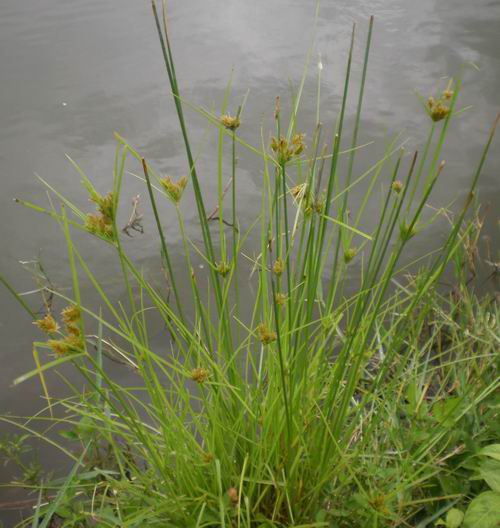
Name Shui Suo Cao (Juncellus serotinus) Sources The drug is the dried tuber of Juncellus serotinus (Rottb.) C. B.
Meloes Coarctati Corpus
Meloes Coarctati Corpus: it is used to combat poisons, eliminate blood stasis and masses; for the treatment of scrofula, nasal polyp, mass formation in the abdomen, scabies, maligant sores, psoriasis, neurodermatitis.
 Armadillidium: Chinese Herb Guide
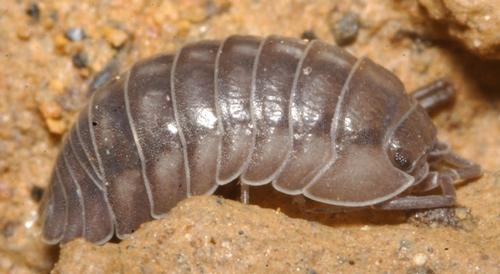
Shu Fu Chong (pillbug) Sour, cool; liver channel. Actions Break blood, stimulate the menstrual flow and promote diuresis
Something this article did not cover?
Ask us directly. We reply within two days, and good questions become public articles.
Ask a question →