
Stranguria-Relieving Diuretics
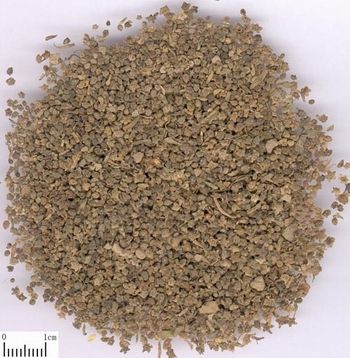
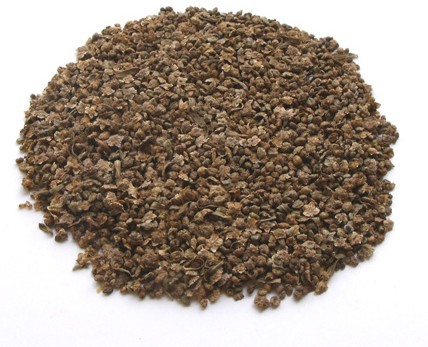
Di Fu Zi: Chinese Herb Guide
Naming
Di Fu Zi (Fructus Kochiae)——Shen Nong Ben Cao Jing (Shen Nong’s Herbal)
The Processing of Di Fu Zi
Origin
The mature fruit of annual herbaceous plant Kochia scoparia (L.) Schrad. of family Chenopodiaceae.
Location
Most areas in China.
Harvest
Collected in autumn when fruit is ripe.
The true smell and taste
Slight smell, slightly bitter.
Best quality
Green, full without leaves or other impurity.
Processing
Unprocessed.
The Effect of Di Fu Zi
Property
Bitter, cold; kidney and bladder meridians entered.
Actions
Clear heat and excrete dampness, dispel wind to alleviate itching.
Indications
A. Stranguria and damp-heat leucorrhea
It has the mild actions of clearing heat and excreting dampness to treat stranguria, so for dysuria, dribbling, difficult and painful urination due to damp-heat in bladder, it should be combined with the herbs of clearing heat to treat stranguria, For instance, it is combined with Mu Tong, Qu Mai and Dong Kui Zi in Di Fu Zi Tang from Ji Sheng Fang. For damp-heat leucorrhea, it is usually combined with Huang Bai, Cang Zhu and Che Qian Zi to strengthen the actions of clearing heat and removing dampness.
B. Eczema and rubella
It has the actions of clearing heat, excreting dampness and dispelling wind. It can dispel wind, clear retained heat and remove dampness from skin, so it is good at alleviating itching and is the essential herb for dermatosis. For eczema and rubella due to heat-damp accumulated in skin, it is usually combined with Bai Xian Pi, She Chuang Zi, Chan Tui and Huang Bai to strengthen the actions of dispelling dampness and alleviating itching.For damp-heat accumulated in lower-energizer manifested as vulvae itching, it can be decocted with Ku Shen, Long Dan Cao, and Bai Fan for external washing.
Dosage and Administrations
Decoct 9~15 g. Proper dosage is for external application.
Sources and further reading
We cite classical materia medica and modern reference works. This article is health education, not medical advice.
- Shennong Bencao Jing (The Divine Farmer's Materia Medica), Han dynasty.
- Bencao Gangmu (Compendium of Materia Medica), Li Shizhen, 1578.
- Chinese Pharmacopoeia, current edition — identity, quality and safety monographs.
- NCCIH and WHO reference material on traditional medicine safety.
Spotted an error or a better source? Tell us — corrections are logged on our editorial policy page.
Did this article help you?
Your answer shapes what gets rewritten next.
Keep readingRelated entries
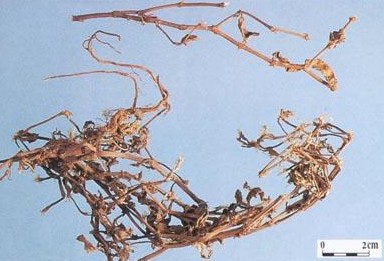 Bian Xu (Common Knotgrass Herb)
: promote urination to treat strangury, remove dampness.
Bian Xu: Chinese Herb Guide
Name Bian Xu (Herba Polygoni Avicularis) — Shennong Bencao Jing Source and quality Plant The aerial part of annual Polygonum aviculare L. of family Dolygonaceae.
Di Fu Zi (Belvedere Fruit)
Di Fu Zi (Belvedere Fruit): clear heat and excrete dampness, dispel wind to alleviate itching.
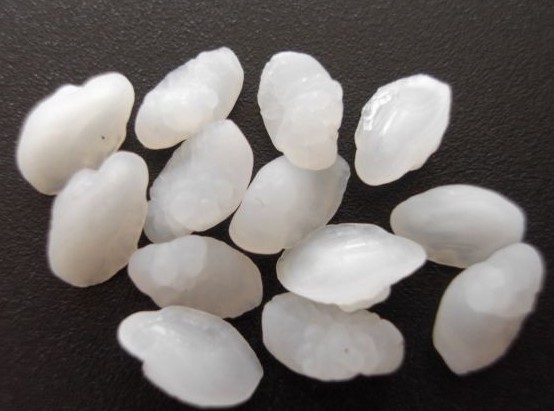 Yu Nao Shi: Chinese Herb Guide
Yu Nao Shi (Yellow Croaker Ear-stone) Sweet, salty, cold; bladder channel. Actions Treat strangury, resolve stones and diminish inflammation
Something this article did not cover?
Ask us directly. We reply within two days, and good questions become public articles.
Ask a question →