
Heat-Clearing and toxicity-Removing Herbs
Dong Feng Cai (Scabrous Doellingeria Rhizome and Root)
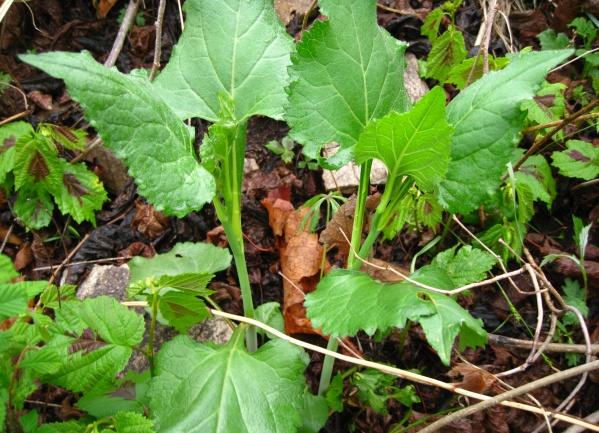
Name
Dong Feng Cai (Rhizoma et Radix Doellingeriae)
The Effect of Dong Feng Cai
Property
Sweet, cold.
Sources
The drug is the aerial part or root of Doellingeria, scaber (Thunb.) Ness (family Compositae), growing in hillsides, grasslands, scrubs, and distributed in most areas of China.
Actions
The aerial part is used to remove toxic heat, dispel wind and relieve pain, to regulate the flow of qi and activate blood circulation; for the treatment of rheumatic arthralgia, common cold with headache, inflammation of eyes, sore throat, snake bites.
The root is used to dispel wind, regulate the flow of qi, activate blood circulation, relieve pain; for the treatment of diarrhea, rheumatic arthralgia,traumatic injuries.
Dosage and Administrations
Decoct 15~30 g. Proper dosage is for external application, pounded for applying with the fresh.
Sources and further reading
We cite classical materia medica and modern reference works. This article is health education, not medical advice.
- Shennong Bencao Jing (The Divine Farmer's Materia Medica), Han dynasty.
- Bencao Gangmu (Compendium of Materia Medica), Li Shizhen, 1578.
- Chinese Pharmacopoeia, current edition — identity, quality and safety monographs.
- NCCIH and WHO reference material on traditional medicine safety.
Spotted an error or a better source? Tell us — corrections are logged on our editorial policy page.
Did this article help you?
Your answer shapes what gets rewritten next.
Keep readingRelated entries
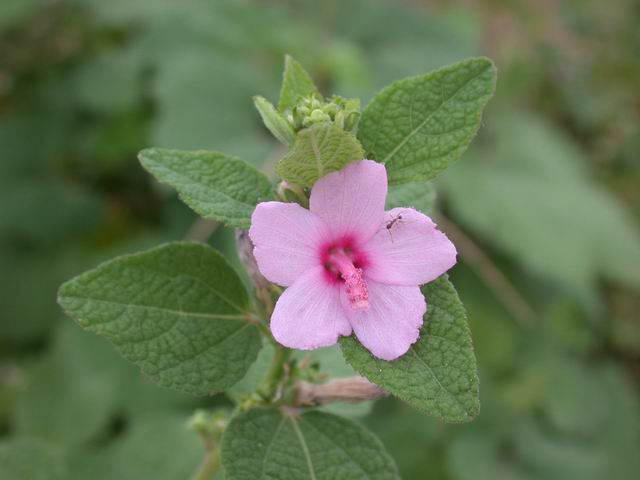 Di Tao Hua (Root or herb of Rose Mallow)
 Sweet, neutral, pungent; lung and spleen channels
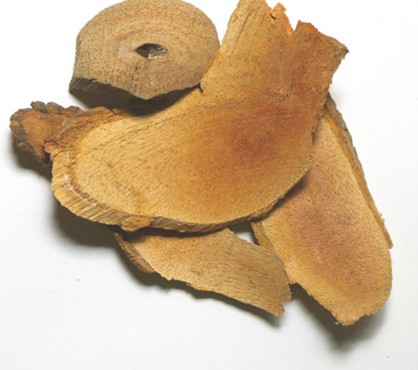 Teng Li Gen: Chinese Herb Guide
Teng Li Gen: clear heat and remove toxicity, activate blood and dissipate nodulation, dispel wind and promote diuresis.
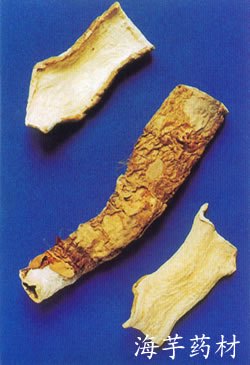 Alocasia Macrorrhiza (Common Alocasia Rhizome)
Hai Yu: clear heat and remove toxicity, resolve swelling and dissipate nodulation.
 Ma Lin Zi: Chinese Herb Guide
/p h3 Dosage and Administrations /h3 p Decoct 3~9g, or made into pills and powder.
Something this article did not cover?
Ask us directly. We reply within two days, and good questions become public articles.
Ask a question →