
Qi Tonics
Feng Mi: Chinese Herb Guide
Name
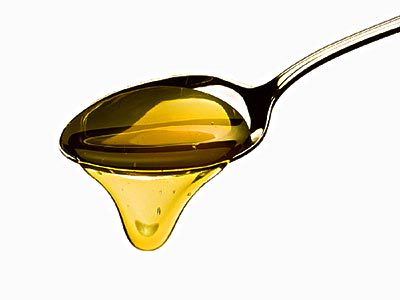
Feng Mi (Mel), recorded in the Shennong Bencao Jing.
Source and quality
Plant
The honey produced by the bees Apis cerana Fabricius or A. mellifera Linnaeus, family Apidae.
Where it is grown
Most regions.
Harvest
Collected from spring through autumn.
Smell and taste
Strongly fragrant; intensely sweet.
Better grade
Water-free and oily, with a grease-like appearance ranging from white or pale yellow through orange-yellow to brown. It flows down in an unbroken thread when lifted with a stick, and has neither a stinking nor a peculiar smell, and is pure.
Processing
Used unprocessed or boiled.
Nature and action
Sweet and neutral; enters the spleen, stomach, lung and large intestine channels. Tonifies qi of the middle burner and lung, relieves spasm and pain, moistens the lung to relieve cough, and moistens the intestines to smooth the stool.
When it is used
Spleen and stomach deficiency with abdominal pain
It is used for spleen and stomach deficiency with spasmodic abdominal pain, because it tonifies the spleen and stomach while relieving spasm and pain. In this pattern it may be used alone, or combined with middle-burner tonics and pain-relieving herbs such as Bai Shao and Gan Cao.
For fatigue and poor appetite from spleen and stomach deficiency it can be used alone as a tonic that counts as both food and medicine, though it is more often taken as an excipient in pills and pastes of tonic formulas, or as an assistant material in stir-fried spleen and qi tonics.
Chronic cough from lung deficiency, dry cough from lung dryness
It is used for chronic cough, shortness of breath, fatigue, and a dry throat with little sputum from lung deficiency, as well as dry cough with little or no sputum when the lung has been injured by dryness, because it tonifies lung qi and moistens the lung to relieve cough. Both patterns can be treated with it alone.
For chronic cough from lung deficiency it is commonly combined with herbs that tonify qi, nourish yin and moisten the lung, as with Ren Shen and Sheng Di Huang in Qiong Yu Gao from Hong Shi Ji Yan Fang. For dry cough from dryness it is combined with herbs that nourish yin, clear and moisten the lung and relieve cough, such as E Jiao, Sang Ye and Chuan Bei Mu. It also serves as an excipient in pills and pastes that moisten the lung and relieve cough, and as an assistant material in processing.
Constipation from intestinal dryness
It is used for constipation from intestinal dryness, because tonifying qi promotes the conduction function of the intestines while moistening the intestines smooths the stool. It may be taken dissolved in water, or combined with herbs that nourish yin, supplement the blood, moisten the intestines and smooth the stool, such as Sheng Di Huang, Dang Gui and Huo Ma Ren.
It can also be made into a suppository for insertion into the anus to smooth the stool, as in Mi Dao Jian from Shanghan Lun.
Separately, it reduces toxicity. Decocted together with herbs of the Wu Tou category it moderates their toxicity, and applied in a large dose it can counteract intoxication from them.
Dose
Decoction or mixed with water, 15~30 g; 30~60 g in large doses. Use externally as appropriate.
Cautions
Use cautiously with damp obstruction, phlegm stagnation, loose stool or diarrhea, because it assists damp and can cause fullness in the abdomen.
Sources and further reading
We cite classical materia medica and modern reference works. This article is health education, not medical advice.
- Shennong Bencao Jing (The Divine Farmer's Materia Medica), Han dynasty.
- Bencao Gangmu (Compendium of Materia Medica), Li Shizhen, 1578.
- Chinese Pharmacopoeia, current edition — identity, quality and safety monographs.
- NCCIH and WHO reference material on traditional medicine safety.
Spotted an error or a better source? Tell us — corrections are logged on our editorial policy page.
Did this article help you?
Your answer shapes what gets rewritten next.
Keep readingRelated entries
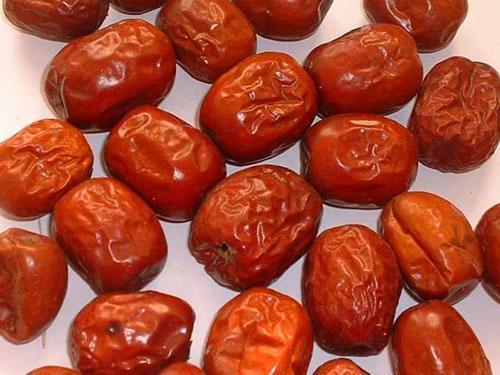 Da Zao: Chinese Herb Guide
Tonify qi, tonify spleen, nourish blood and induce tranquilization. Sweet, warm; spleen, stomach and heart meridians entered.
Hong Zao (Fructus Jujubae)
Tonify qi, tonify spleen, nourish blood and induce tranquilization. Sweet, warm; spleen, stomach and heart meridians entered.
Honey: Chinese Herb Guide
Feng Mi (Mel). The honey made by bee Apis cerana Fabricius or A. mellifera Linnaeus of family Apidae
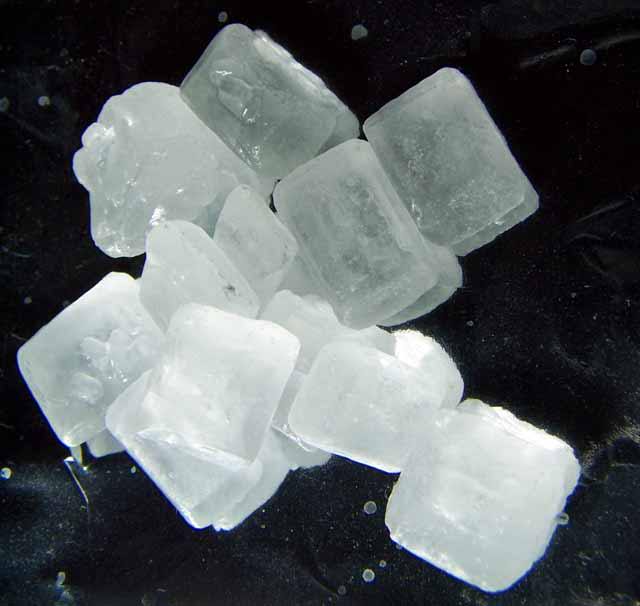 Crystal Sugar: Chinese Herb Guide
Crystal Sugar: strengthen the spleen and harmonize the stomach, moisten the lung to relieve cough.
Something this article did not cover?
Ask us directly. We reply within two days, and good questions become public articles.
Ask a question →