
Interior-Warming Herbs
Bi Cheng Qie (Mountain Spicy Tree Fruit)
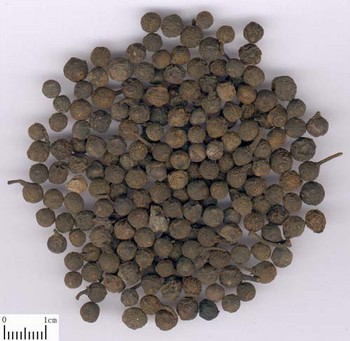
Naming
Bi Cheng Qie (Fructus Litseae)——Lei Gong Pao Zhi Lun (Lei’s Treaties on Preparation of Drugs)
The Processing of Fructus Litseae
Origin
The mature fruit of Litsea cubeba (Lour.) Pers.
Location
Guangxi, Guangdong and Hunan provinces in China.
Harvest
Collected in autumn when the fruits are ripe.
The true smell and taste
Fragrant, pungent and bitter.
Best quality
Dry, big, heavy oily, with thick fragrance.
Processing
Unprocessed.
The Effect of Fructus Litseae
Property
Pungent, warm; spleen and stomach meridians entered.
Actions
Warm middle energizer, alleviate pain and arrest vomiting.
Indications
A. Stomach cold and abdominal pain
It has the actions of warming middle energizer, alleviating pain and arresting vomiting. For stomach cold and gastroabdominal cold pain, it can be used alone or combined with other middle-energizer-warming analgesics. For instance it is combined with Gao Liang Jiang and Rou Gui in Bi Cheng Qie Wan.
B. Vomiting and hiccup
It can promote flow of qi and check the adverse rise of qi to arrest vomiting and stop hiccup. It is usually combined with the middle-energizer-warming and vomiting-arresting herbs such as Bai Dou Kou, Ban Xia and Ding Xiang.
In addition, it also can warm kidney and dispel cold from bladder. For dysuria due to deficiency-cold of lower energizer, or colic of cold type with abdominal pain due to cold-damp accumulation, it is combined with the interior-warming and cold-dispersing herbs such as Wu Yao and Xiao Hui Xiang.
Dosage and Administrations
Decoct l.5~3 g.
Sources and further reading
We cite classical materia medica and modern reference works. This article is health education, not medical advice.
- Shennong Bencao Jing (The Divine Farmer's Materia Medica), Han dynasty.
- Bencao Gangmu (Compendium of Materia Medica), Li Shizhen, 1578.
- Chinese Pharmacopoeia, current edition — identity, quality and safety monographs.
- NCCIH and WHO reference material on traditional medicine safety.
Spotted an error or a better source? Tell us — corrections are logged on our editorial policy page.
Did this article help you?
Your answer shapes what gets rewritten next.
Keep readingRelated entries
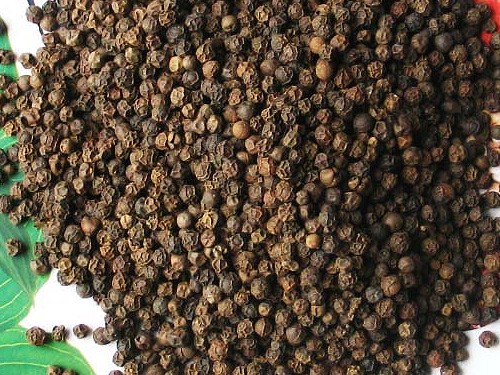 Pepper (Fructus Piperis) in TCM
Hu Jiao (Fructus Piperis). The nearly mature or mature fruit of Piper nigrum L. of family Piper
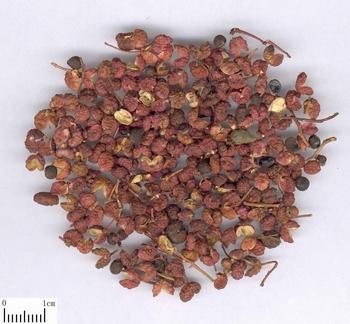 Hua Jiao (Pricklyash Peel)
: warm middle burner and alleviate pain, expel ascaris for oral use; dry dampness, kill worms and relieve itch for external use.
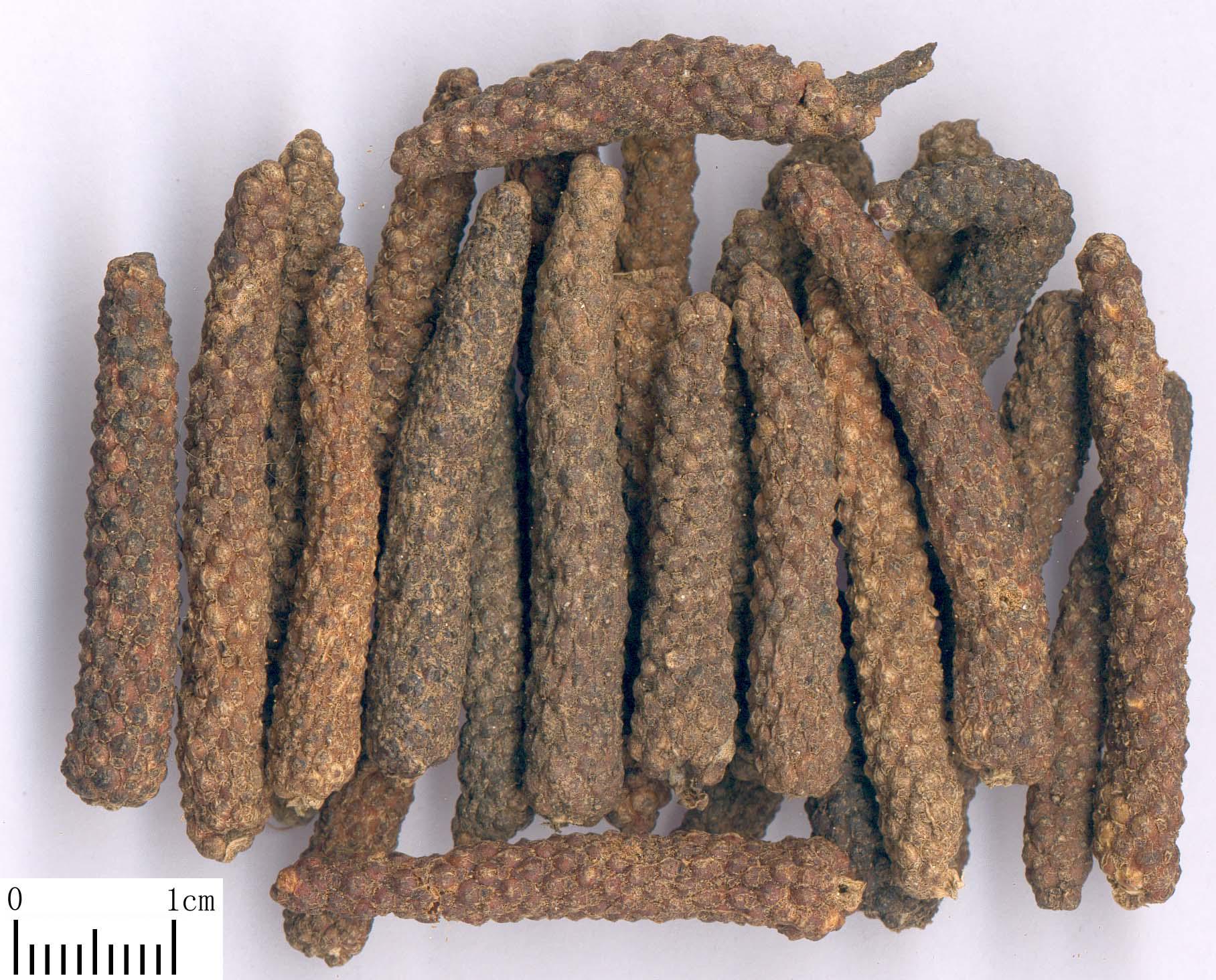 Long Pepper (Fructus Piperis Longi)
Bi Bo (Fructus Piperis Longi). The nearly mature fruit and spike of Piper longum L. Where it is grown Guangdong and Yunnan provinces
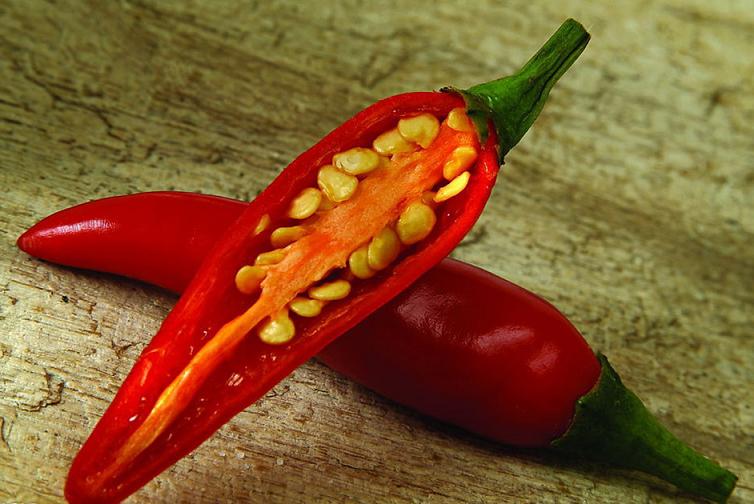 Cayenne pepper (Fructus Capsici)
La Jiao: warm the spleen and stomach, dissipate cold, stimulate the appetite and promote digestion.
Something this article did not cover?
Ask us directly. We reply within two days, and good questions become public articles.
Ask a question →