
Superficies-Strengthening Anhidrotics
Xiao Mai (Fructus Tritici levis)
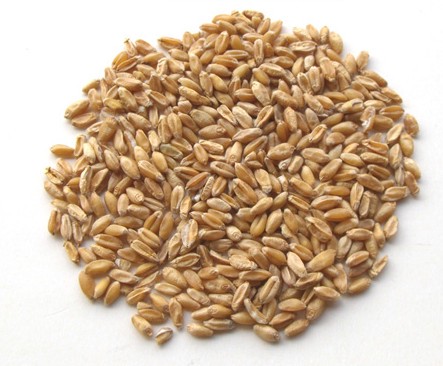
Naming
Fu Xiao Mai (Fructus Tritici levis)——Ben Cao Meng Quan (Materia Medica Companion)
The Processing of Fu Xiao Mai
Origin
The immature seeds of annual herbaceous plant Triticum aestivum L., annual herb of family Gramineae.
Location
All parts of China.
Harvest
Collect the light and wizened wheat, sift the dusty, wash it in water and dry in sun.
The actual smell and taste
Slight flavor without bad smell.
Best quality
Even, no impurities, light, floating when washed.
Processing
Unprocessed or stir-baked.
The Effect of Fu Xiao Mai
Property
Sweet, slightly astringent, cool; heart meridian entered.
Actions
Strengthen superficies to check sweating, replenish qi, clear heat.
Indications
A. Spontaneous sweating, night sweat
This herb is sweet and cool and can be applied to stop deficient sweat, such as it in Du Sheng San rooted from Wei Sheng Bao Jian. It also can replenish heart qi and lung qi. It is a good herb to stringe fluid through nourishing heart and strengthening superficies to check sweating. It is indicated for spontaneous sweating and night sweat. It can be administrated singly by stir-baking to brown and smashing into powder. For spontaneous sweating due to qi deficiency, it is combined with herbs of stopping sweating and qi tonics, for instance, it is used with Huang Qi, toasted Mu Li, Ma Huang Gen in Mu Li San from He Ji Ju Fang. For night sweat due to yin deficiency, it is combined with herbs of stopping sweating, and yin-tonics, such as Wu Wei Zi, Bai Shao, etc.
B. Bone-steaming tidal fever
This hcrb can tonify qi, nourish yin and clear heat. For fever of yin deficiency and bone-steaming tidal fever, it is combined with heat-clearing and yin-nourishing herbs, such as Xuan Shen, Mai Dong, Sheng Di Huang, Di Gu Pi, etc.
Dosage and Administrations
Decoct 15~30 g. Smash into power, 3~5 g a time.
Sources and further reading
We cite classical materia medica and modern reference works. This article is health education, not medical advice.
- Shennong Bencao Jing (The Divine Farmer's Materia Medica), Han dynasty.
- Bencao Gangmu (Compendium of Materia Medica), Li Shizhen, 1578.
- Chinese Pharmacopoeia, current edition — identity, quality and safety monographs.
- NCCIH and WHO reference material on traditional medicine safety.
Spotted an error or a better source? Tell us — corrections are logged on our editorial policy page.
Did this article help you?
Your answer shapes what gets rewritten next.
Keep readingRelated entries
 Ma Huang Gen: Chinese Herb Guide
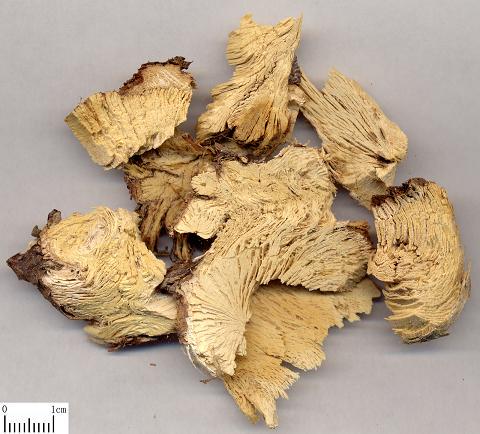
Ma Huang Gen (Radix Ephedrae). (Explanation Collection of Materia Medica) The roots or rhizomes of perennial push plant Ephedra s
Fu Xiao Mai: Chinese Herb Guide
Fu Xiao Mai: strengthen superficies to check sweating, replenish qi, clear heat.
Wheat Bran: Chinese Herb Guide
Xiao Mai Fu (Wheat Bran) Sweet, cool. When it is used Night sweat, rheumatic arthritis, diabetes, diarrhea, abnormal sweating due to general debility
 Glutinosae Rice Root (Root of Glutinous Rice)
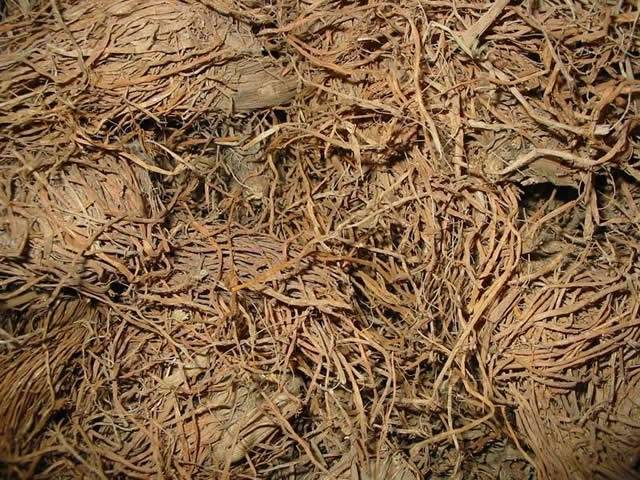
Nuo Dao Gen Xu: stop night sweat, tonify the stomach, promote the secretion of saliva, abate fever due to yin deficiency.
Something this article did not cover?
Ask us directly. We reply within two days, and good questions become public articles.
Ask a question →