
Stranguria-Relieving Diuretics
Geng Tong Cao (Common Aeschynomene Stem-xylem)
Geng Tong Cao
Common Aeschynomene Stem-xylem
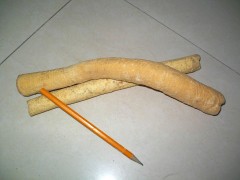
Name
Geng Tong Cao (Common Aeschynomene Stem-xylem)
The Effect of 梗通草
Property
Bland, slightly bitter, cool, neutral; liver and bladder meridians entered.
Actions
Clear heat and eliminate dampness, treat stranguria and promote lactation.
Indications
Edema, heat stranguria, difficult urination, oligogalactia, polydypsia due to calentura.
Dosage and Administrations
Decoct 6~15 g.
Cautions
It is contraindicated in case of excessive urine.
Sources and further reading
We cite classical materia medica and modern reference works. This article is health education, not medical advice.
- Shennong Bencao Jing (The Divine Farmer's Materia Medica), Han dynasty.
- Bencao Gangmu (Compendium of Materia Medica), Li Shizhen, 1578.
- Chinese Pharmacopoeia, current edition — identity, quality and safety monographs.
- NCCIH and WHO reference material on traditional medicine safety.
Spotted an error or a better source? Tell us — corrections are logged on our editorial policy page.
Did this article help you?
Your answer shapes what gets rewritten next.
Keep readingRelated entries
Geng Tong Cao: Chinese Herb Guide
Geng Tong Cao: clear heat and eliminate dampness, treat strangury and promote lactation.
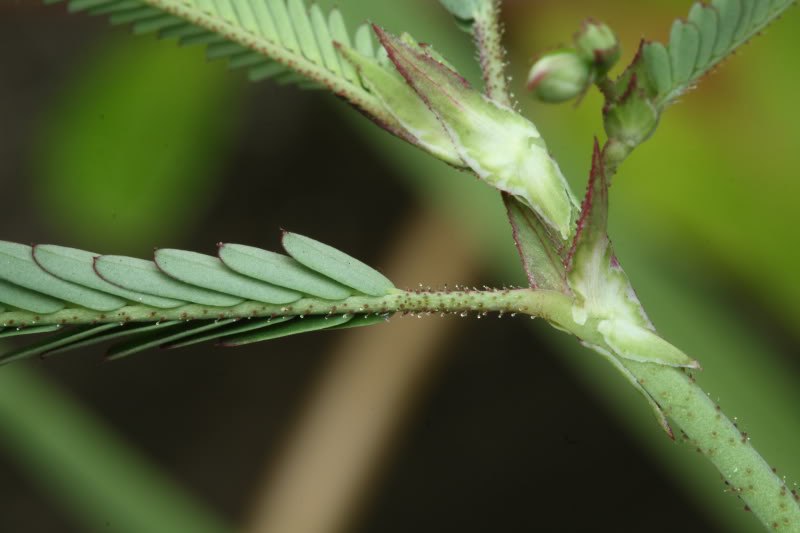 Tian Zao Jiao (Common Aeschynomene Herb)
: clear heat and eliminate dampness, dispel wind and improve vision, promote lactation.
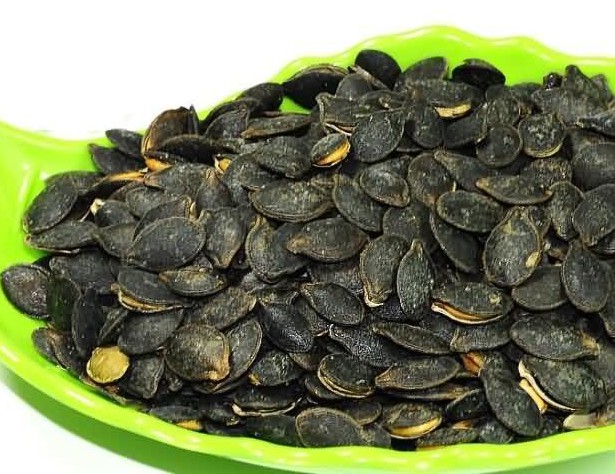 Si Gua Zi: Chinese Herb Guide
Si Gua Zi (Luffa Seed) Slightly sweet, neutral. Actions Clear heat and resolve phlegm, moisten dryness and expel parasites
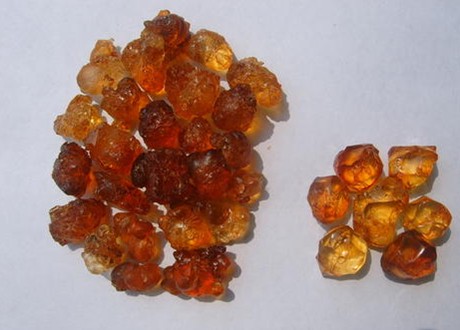 Tao Jiao: Chinese Herb Guide
Tao Jiao (Peach Gum) harmonizes the spleen and stomach, tonifies and activates the blood, replenishes qi and alleviates pain. It is used for dysentery.
Something this article did not cover?
Ask us directly. We reply within two days, and good questions become public articles.
Ask a question →