
Digestant Herbs
Ji Shi Teng: Chinese Herb Guide
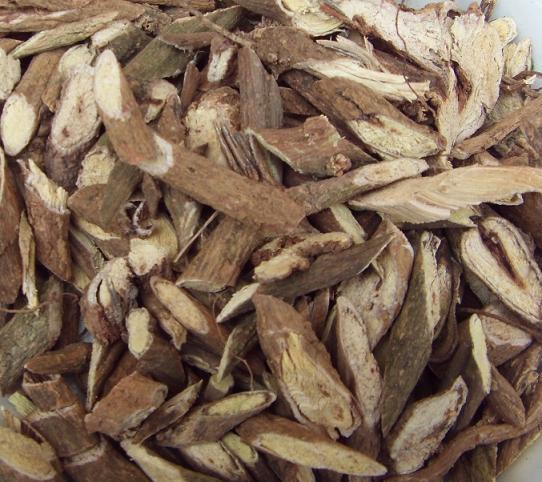
Name
Ji Shi Teng (Chinese Fevervine Herb)
The Effect of Ji Shi Teng
Property
Sweet, sour, neutral; liver, heart ,spleen and kidney meridians entered.
Actions
Dispel wind and eliminate dampness, promote digestion and dissipate food stagnation, remove toxicity and resolve swelling, activate blood and alleviate pain.
Indications
Infantile malnutrition, diarrhea, dysentery, hepatitis, jaundice, sunstroke, scrofula, cough, traumatic injury, eczema, rheumatic arthritis, snake and scorpion bites, appendicitis, unknown toxin, dermatitis, scald, abdominal distension due to food stagnation, hepatosplenomegaly, poor appetite, dropsy due to qi deficiency.
Dosage and Administrations
Decoct 9~15 g and large dosage can be 30~60 g, or socked in wine. Proper dosage is for external application, pounded into powder for applying or decocted for washing.
Sources and further reading
We cite classical materia medica and modern reference works. This article is health education, not medical advice.
- Shennong Bencao Jing (The Divine Farmer's Materia Medica), Han dynasty.
- Bencao Gangmu (Compendium of Materia Medica), Li Shizhen, 1578.
- Chinese Pharmacopoeia, current edition — identity, quality and safety monographs.
- NCCIH and WHO reference material on traditional medicine safety.
Spotted an error or a better source? Tell us — corrections are logged on our editorial policy page.
Did this article help you?
Your answer shapes what gets rewritten next.
Keep readingRelated entries
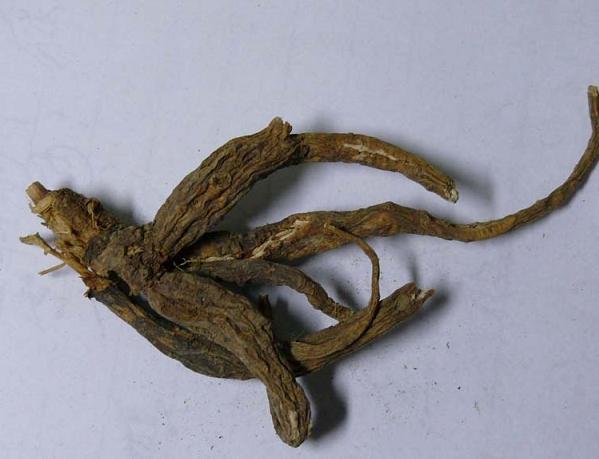 Ge Shan Xiao (Seutera wilfordi)
: tonify yin, invigorate the spleen and promote digestion.
Seutera wilfordi (Bunge Auriculate Root)
Name Ge Shan Xiao (Seutera wilfordi) Nature and action Nature Sweet, slightly bitter, slightly warm; spleen, stomach and kidney channels.
Ji Shi Teng (Herba Paederiae)
Chinese Fevervine Herb: dispel wind and eliminate dampness, promote digestion and dissipate food stagnation, remove toxicity and resolve swelling, activate blood and alleviate pain.
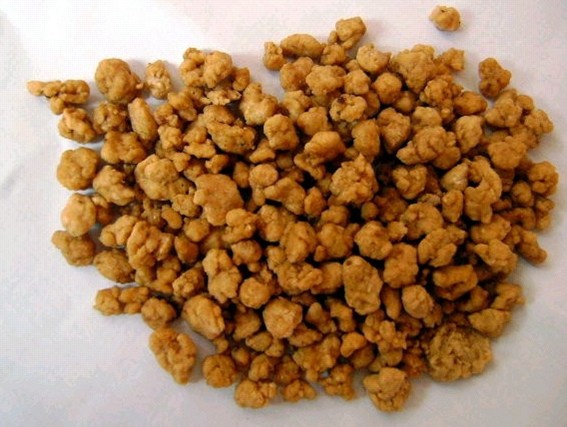 Chinese Asafoetida: Chinese Herb Guide
A Wei (Chinese Asafoetida) Pungent, neutral, nontoxic; liver, spleen and stomach channels. Actions Dissipate stagnation and kill parasites
Something this article did not cover?
Ask us directly. We reply within two days, and good questions become public articles.
Ask a question →