
Heat-Clearing and toxicity-Removing Herbs
Yin Hua (Honeysuckle Flower)
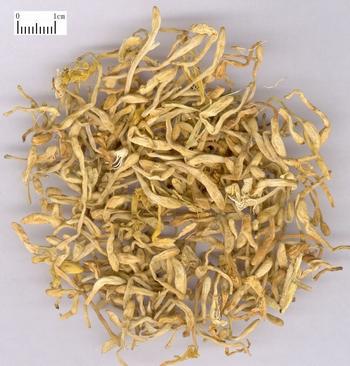
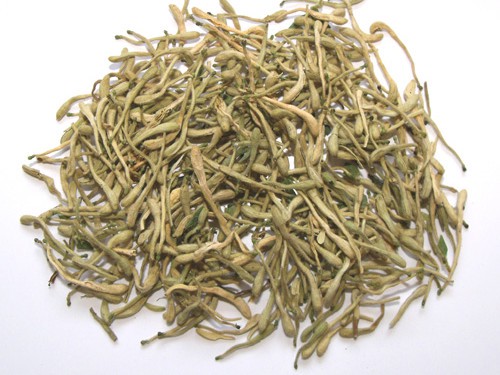
Name
Jin Yin Hua (Flos Lonicerae), recorded in Xinxiu Bencao.
Source and quality
Plant
The flower buds or opening flowers of Lonicera japonica Thunb., L. hypoglauca Miq., L. confusa DC. or L. dasystyla Rehd., family Caprifoliaceae.
Where it is grown
Grown throughout China, chiefly in Henan and Shandong.
Harvest
Collected before flowering in early summer.
Smell and taste
Aromatic, bland and slightly bitter.
Better grade
Picked at the very start of flowering, with the flower complete and the color a clear white-yellow; larger is better.
Processing
Dried in the shade after picking, used raw or distilled into a syrup.
Nature and action
Acrid, slightly bitter and cold; enters the lung, heart, stomach and large intestine channels. Clears heat and removes toxicity, disperses wind-heat, and clears summer-heat.
When it is used
Warm diseases and external invasion of wind-heat
Because it excels at clearing heat and relieving epidemic toxicity, it is used at any stage of a warm disease. In the early stage, when the pathogen is still in the defensive system, it disperses wind-heat and drives it out through the lung and exterior; it also clears heat and epidemic toxicity. This makes it a common clinical choice, often combined with wind-heat-dispersing herbs such as Jing Jie, Bo He and Niu Bang Zi in Yin Qiao San from Wenbing Tiaobian, which is also the standard formula for an exterior wind-heat pattern.
When the heat has entered the qi system or gone deeper into the nutrient and blood systems, it is used to clear heat and remove toxicity, drawing on its combined actions of clearing heat, purging fire and cooling the blood. In excess heat of the qi system, with high fever, polydipsia and a full, large pulse, it is combined with herbs strong at clearing heat and purging fire, such as Shi Gao and Zhi Mu in Yin Qiao Bai Hu Tang. For heat in the nutrient and blood systems, with high fever, coma, macular eruption, vomiting of blood and nosebleed, it is combined with herbs specialized in clearing heat and cooling the blood, such as Sheng Di Huang and Xuan Shen in Shen Xi Dan from Wen Re Jing Wei and in Qing Ying Tang from Wenbing Tiaobian.
Sores and abscess from heat-toxin, swollen and sore throat, dysentery
Its heat-clearing and toxicity-removing action also makes it useful for abscesses, sore throat and dysentery. It is regarded as an essential herb for heat-toxin sores and abscesses and for swollen, sore throat, because although cold in nature it scarcely harms the stomach. It also checks diarrhea and dysentery driven by heat-toxin.
For sores and abscesses with red swelling and burning pain it works even used alone, taken by mouth or applied externally: in Shan Tang Jing Yan Fang it is used singly for all kinds of swelling and toxicity, whether or not pus has formed and discharged, with the decoction taken by mouth and the crushed herb applied topically. The effect is considerably better combined with other heat-clearing and toxicity-removing herbs, or with blood-activating and nodulation-dissipating herbs: in Yin Hua Jie Du Tang from Yang Ke Xin De Ji it is combined with Lian Qiao, Zi Hua Di Ding and Huang Lian, and in Wu Wei Xiao Du Yin from Yi Zong Jin Jian with Ye Ju Hua, Zi Hua Di Ding and Pu Gong Ying.
For intestinal abscess with abdominal pain, it is combined with herbs that remove toxicity and cool the blood, activate blood and dissipate nodules, clear heat and discharge pus, such as Da Huang, Mu Dan Pi and Yi Yi Ren in Qing Chang Yin from Bian Zheng Lu. For mammary abscess with swelling and pain, it is combined with toxicity-removing and abscess-curing herbs and blood-activating and nodulation-dissipating herbs that mainly enter the lung and stomach channels, such as Pu Gong Ying and Gua Lou in Xiao Ru Tang from Yi Xue Zhong Zhong Can Xi Lu.
For swollen, sore throat it suits either interior excess heat-toxin or invasion of wind-heat. In the first it is combined with toxicity-removing and throat-relieving herbs such as She Gan and Ma Bo in Yin Qiao Ma Bo San from Wenbing Tiaobian; in the second with wind-heat-dispersing and throat-relieving herbs such as Bo He and Niu Bang Zi.
For dysentery from heat-toxin it can be decocted alone and taken frequently, as in Ren Dong San from Hui Zhi Tang Jing Yan Fang, and can also be combined with herbs such as Huang Lian and Bai Tou Weng that clear heat, dry dampness, remove toxicity and check dysentery, reinforcing its effect.
Separately, Jin Yin Hua Lu, the distilled syrup, dispels summer-heat and is chiefly used for polydipsia from summer-heat. It is also combined with He Ye, Xi Gua Cui Yi and Bian Dou Hua in Qing Luo Yin from Wen Re Jing Wei.
Dose
Decoction 15~30g. The raw product is best at dispersing wind-heat and clearing interior heat. Jin Yin Hua Lu is used for polydipsia from summer-heat, 60~120ml a dose, which comes to 3.5~7g of raw Jin Yin Hua. Use externally as appropriate.
Sources and further reading
We cite classical materia medica and modern reference works. This article is health education, not medical advice.
- Shennong Bencao Jing (The Divine Farmer's Materia Medica), Han dynasty.
- Bencao Gangmu (Compendium of Materia Medica), Li Shizhen, 1578.
- Chinese Pharmacopoeia, current edition — identity, quality and safety monographs.
- NCCIH and WHO reference material on traditional medicine safety.
Spotted an error or a better source? Tell us — corrections are logged on our editorial policy page.
Did this article help you?
Your answer shapes what gets rewritten next.
Keep readingRelated entries
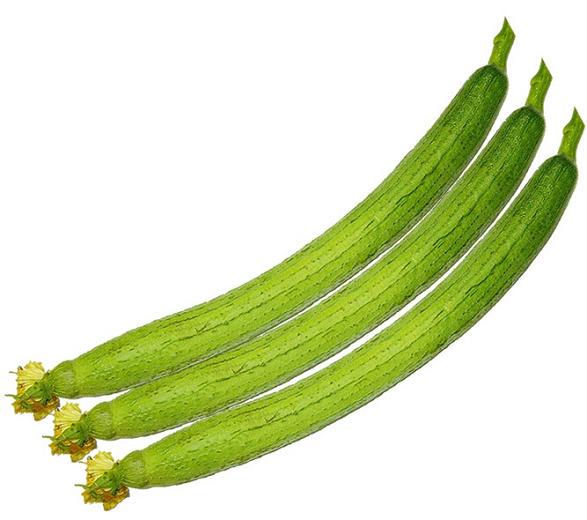 Si Gua: Chinese Herb Guide
Si Gua (Towel Gourd) Sweet, cool; liver and stomach channels. Actions Clear heat and resolve phlegm, cool blood and remove toxicity
Si Gua: Chinese Herb Guide
Si Gua (Towel Gourd) Sweet, cool; liver and stomach channels. Actions Clear heat and resolve phlegm, cool blood and remove toxicity
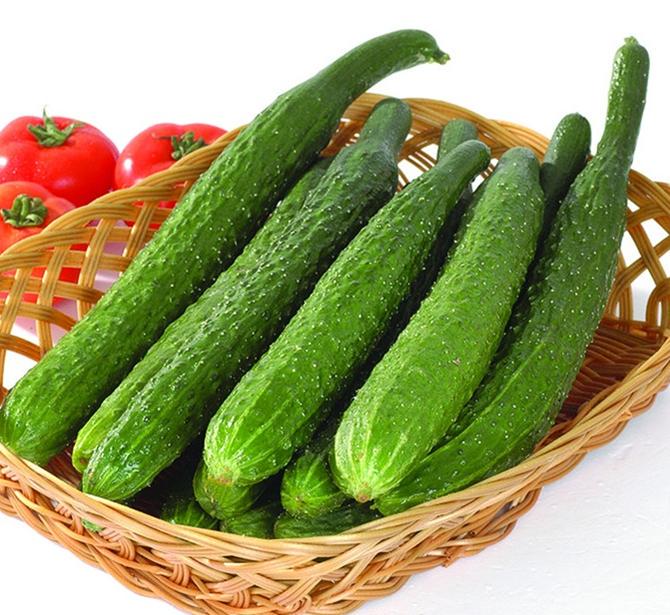 Huang Gua: Chinese Herb Guide
Huang Gua (Cucumber) Sweet, cool; lung, spleen and stomach channels. Actions Clear heat, promote urination and remove toxicity
Huang Gua: Chinese Herb Guide
Huang Gua (Cucumber) Sweet, cool; lung, spleen and stomach channels. Actions Clear heat, promote urination and remove toxicity
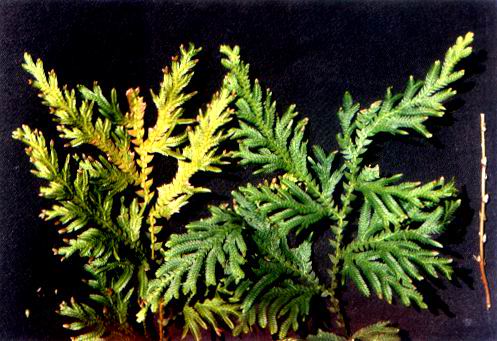 Di Bai Zhi: Chinese Herb Guide
Di Bai Zhi: it is used to remove heat, promote urination, subdue swelling and arrest bleeding; for the treatment of hepatitis, snake bites, burns and scalds, traumatic bleeding.
Di Bai Zhi: Chinese Herb Guide
Di Bai Zhi: it is used to remove heat, promote urination, subdue swelling and arrest bleeding; for the treatment of hepatitis, snake bites, burns and scalds, traumatic bleeding.
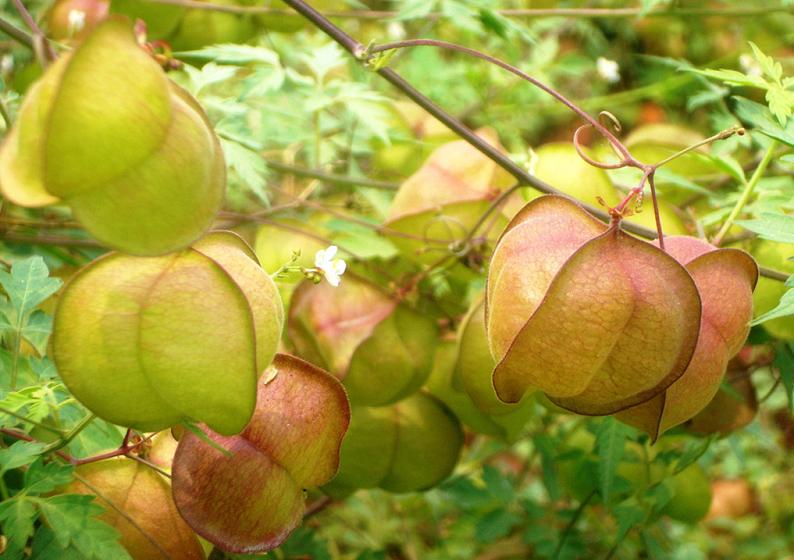 San Jiao Pao: Chinese Herb Guide
San Jiao Pao (Balloon vine) Bitter, pungent, cold. Actions Clear heat and promote urination, cool blood and remove toxicity
San Jiao Pao: Chinese Herb Guide
San Jiao Pao (Balloon vine) Bitter, pungent, cold. Actions Clear heat and promote urination, cool blood and remove toxicity
Something this article did not cover?
Ask us directly. We reply within two days, and good questions become public articles.
Ask a question →