
Yang Tonics
Jiu Cai (韭菜)
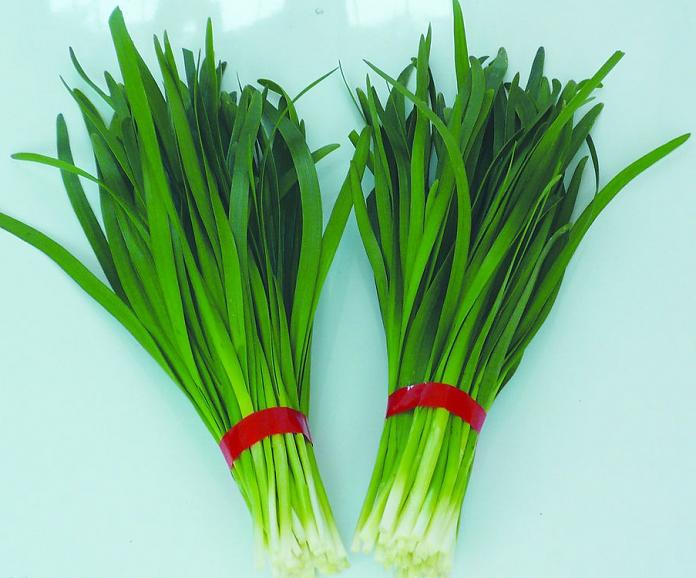
Name
Jiu Cai (Fragrant-flowered Garlic)
The Effect of 韭菜
Property
Pungent, warm; liver, stomach and kidney meridians entered.
Actions
Tonify the kidney, warm the spleen and stomach, promote the flow of qi, dissipate stasis and remove toxicity.
Indications
Impotence, urine with blood, dysentery, sores and boils, traumatic injury, nose bleeding, hematemesis, gastric disorder causing nausea, abdominal pain caused by interior cold, dysphagia, chest pain, hemorrhoids, dermatitis rhus.
Dosage and Administrations
It is pounded into juice for oral taking, or made porridge. Proper dosage is for external application, pounded for applying or decocted for washing.
Cautions
It is contraindicated in case of eye disease, sores, yin deficiency with interior heat.
Sources and further reading
We cite classical materia medica and modern reference works. This article is health education, not medical advice.
- Shennong Bencao Jing (The Divine Farmer's Materia Medica), Han dynasty.
- Bencao Gangmu (Compendium of Materia Medica), Li Shizhen, 1578.
- Chinese Pharmacopoeia, current edition — identity, quality and safety monographs.
- NCCIH and WHO reference material on traditional medicine safety.
Spotted an error or a better source? Tell us — corrections are logged on our editorial policy page.
Did this article help you?
Your answer shapes what gets rewritten next.
Keep readingRelated entries
Jiu Cai: Chinese Herb Guide
Jiu Cai: tonify the kidney, warm the spleen and stomach, promote the flow of qi, dissipate stasis and remove toxicity.
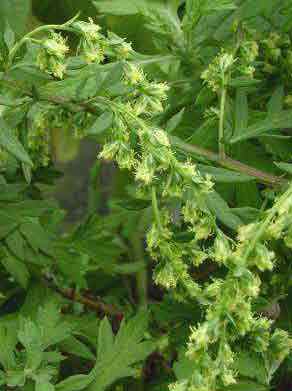 Ai Shi: Chinese Herb Guide
Ai Shi (Fructum Artemisiae Argyi) Property Bitter, pungent, warm. Actions Warm the kidney and tonify yang
 Goat or Sheep Kidney
Yang Shen (Goat or Sheep Kidney) Sweet and warm. Actions Tonify kidney-qi and replenish essence
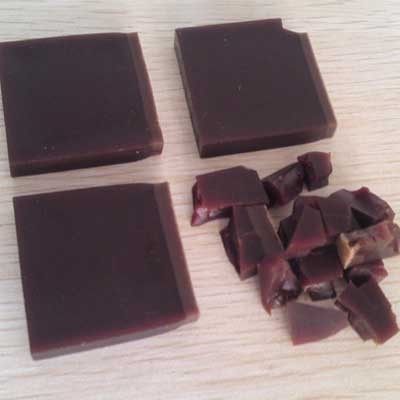 Lu Jiao Jiao: Chinese Herb Guide
Lu Jiao Jiao (Deerhorn glue) Sweet, salty, warm; liver and kidney channels. Actions Nourish blood and tonify essence
Something this article did not cover?
Ask us directly. We reply within two days, and good questions become public articles.
Ask a question →