
Heat-Phlegm-Clearing and Resolving Herbs
Kun Bu (Ecklonia kurome Okam)
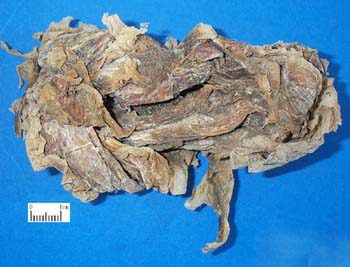
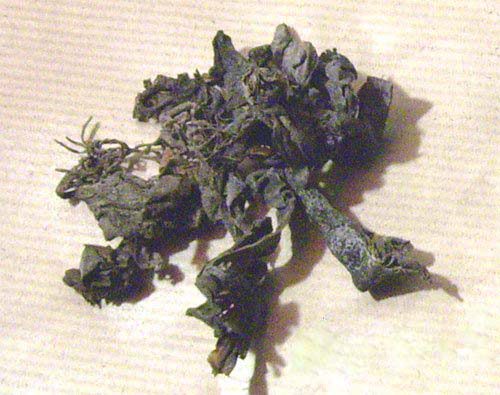
Naming
Kun Bu (Ecklonia kurome Okam)——Ming Yi Bie Lu (Miscellaneous Records of Famous physicians)
The Processing of 昆布
Origin
The dry pedalium of plant Laminaria japonica Aresch. or Ecklonia kurome Okam. of family Alariaceae.
Location
Shandong, Liaoning and Zhejiang provinces in China.
Harvest
Collected in summer and autumn.
The actual smell and taste
Fishy smell, salty taste.
Best quality
Big patch, thick, green.
Processing
Unprocessed.
The Effect of 昆布
Property
Salty, cold; liver, stomach and kidney meridians entered.
Actions
Dissolve phlegm and soften hardness, induce diuresis and alleviate edema.
Indications
Same as Hai Zao. It is reinforced by the combination with Hai Zao.
Dosage and Administrations
Decoct 6~12 g, or make pill and powder.
Sources and further reading
We cite classical materia medica and modern reference works. This article is health education, not medical advice.
- Shennong Bencao Jing (The Divine Farmer's Materia Medica), Han dynasty.
- Bencao Gangmu (Compendium of Materia Medica), Li Shizhen, 1578.
- Chinese Pharmacopoeia, current edition — identity, quality and safety monographs.
- NCCIH and WHO reference material on traditional medicine safety.
Spotted an error or a better source? Tell us — corrections are logged on our editorial policy page.
Did this article help you?
Your answer shapes what gets rewritten next.
Keep readingRelated entries
Kun Bu: Chinese Herb Guide
Kun Bu (Ecklonia kurome Okam). The dry pedalium of plant Laminaria japonica Aresch. or Ecklonia kurome Okam. of family Alariaceae
Yang Ye: Chinese Herb Guide
Yang Ye (Goat or sheep thyroid) Sweet, bland, warm; lung channel. Actions Resolve phlegm and relieve goiter. When it is used Provoked goiter
Kun Bu (Ecklonia kurome Okam)
Ecklonia kurome Okam: dissolve phlegm and soften hardness, promote urination and ease edema.
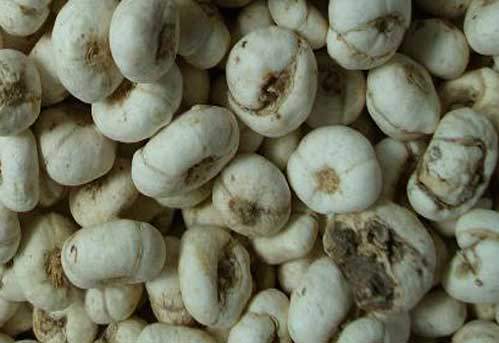 Ussuriensis Fritillary Bulb (Bulbus Fritillariae Ussuriensis)
Name Ping Bei Mu (Bulbus Fritillariae Ussuriensis) Nature and action Nature Bitter, sweet, slightly cold; lung and heart channels.
Something this article did not cover?
Ask us directly. We reply within two days, and good questions become public articles.
Ask a question →