
Vermifugal Herbs
Lei Wan (Omphalia)
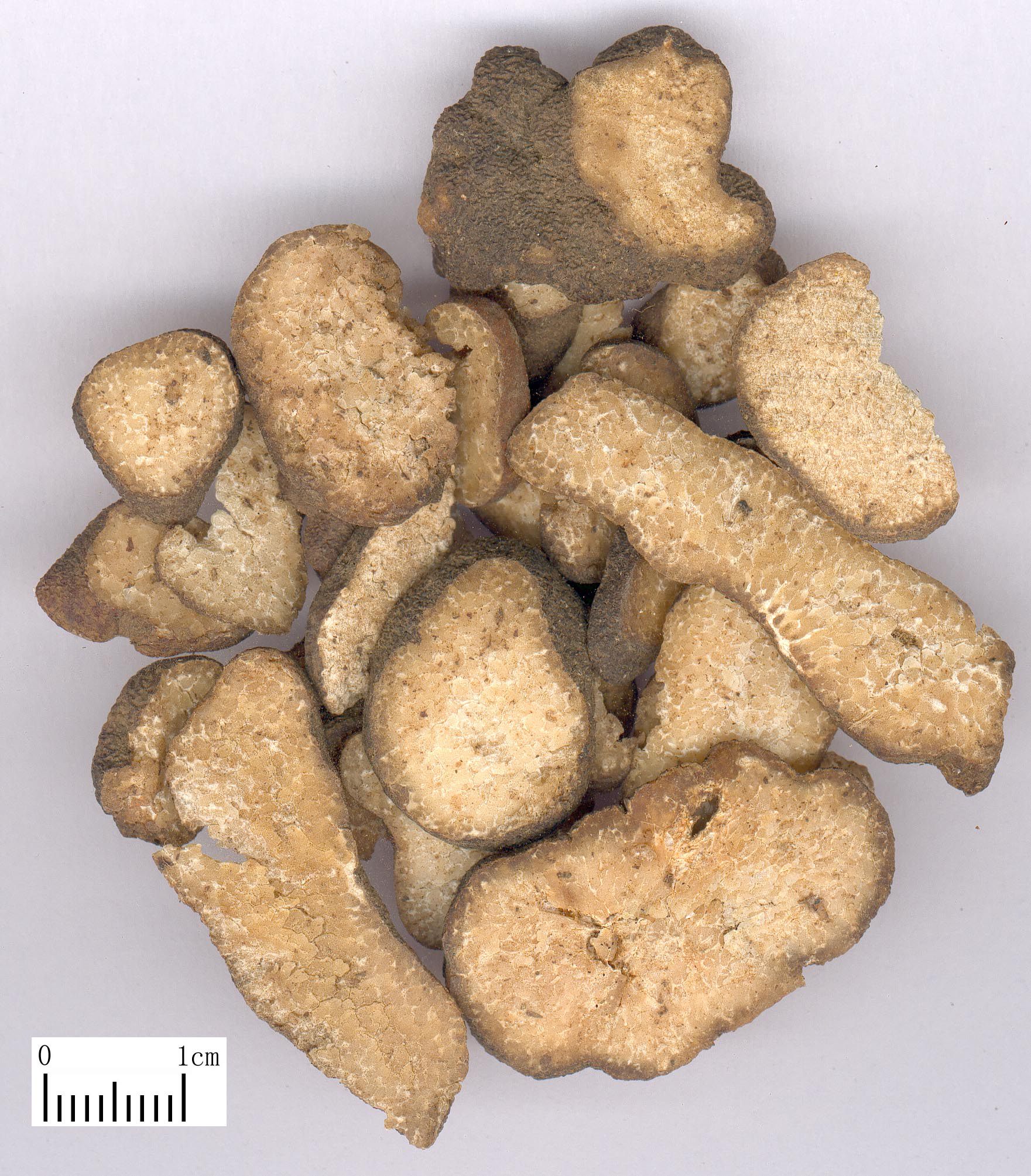
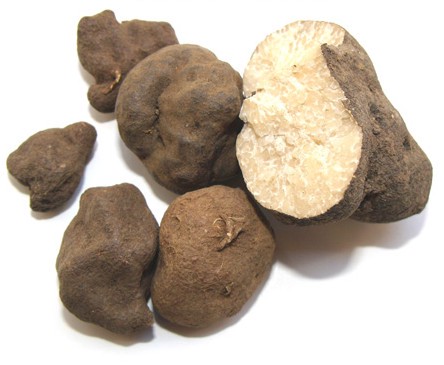
Naming
Lei Wan (Omphalia)——Shen Nong Ben Cao Jing (Shen Nong’s Herbal)
The Processing of 雷丸
Origin
The dry sclerotium of Omphalia lapidescens Schroet. of family Polyporaceae.
Location
Sichuan, Guizhou and Yunnan provinces in China.
Harvest
Collected in autumn.
The actual smell and taste
Slightly bitter without unpleasant smell.
Best quality
Large, full, firm, heavy, purplish brown exterior and white interior without sand.
Processing
Washed and dried in the sun; unprocessed.
The Effect of 雷丸
Property
Slightly bitter, cold, mildly toxic; stomach and large intestine meridians entered.
Actions
Expel parasites.
Indications
Various intestinal parasitic diseases
It can expel various intestinal parasites such as taeniasis, ancylostomiasis, ascariaisis and so on, especially taeniasis. It is ground into powder and swallowed for treating taeniasis, 20g once and 3 times daily. Tapeworm bodies are completely or partially expelled in most cases in 2~3 days. For ancylostomiasis and ascariasis, it is reinforced by parasites-expelling herbs. For instance it is combined with Bing Lang, Qian Niu Zi and Ku Lian Pi in Zhui Chong Wan from Zheng Zhi Zhun Sheng. For enterobiasis, it is also combined with other parasites-expelling herbs and purgatives such as Qian Niu Zi and Da Huang.
Dosage and Administrations
Take 15~21g in pills or powder, 5~7 g once. Take with warm water after meal, 3 times daily for consecutive 3 days.
Cautions
Do not decoct this herb because it contains protease that will be easily broken at 60℃. Take with cautions if the patients suffer deficiency-cold of spleen and stomach with helminthic accumulation.
Sources and further reading
We cite classical materia medica and modern reference works. This article is health education, not medical advice.
- Shennong Bencao Jing (The Divine Farmer's Materia Medica), Han dynasty.
- Bencao Gangmu (Compendium of Materia Medica), Li Shizhen, 1578.
- Chinese Pharmacopoeia, current edition — identity, quality and safety monographs.
- NCCIH and WHO reference material on traditional medicine safety.
Spotted an error or a better source? Tell us — corrections are logged on our editorial policy page.
Did this article help you?
Your answer shapes what gets rewritten next.
Keep readingRelated entries
Lei Wan: Chinese Herb Guide
For enterobiasis, it is also combined with other parasites-expelling herbs and pu.
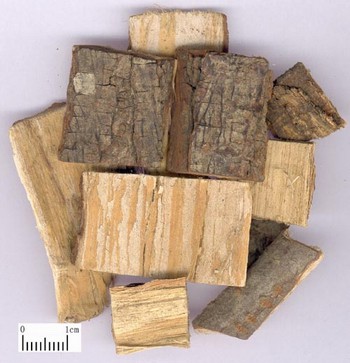 Ku Lian Gen Pi (Chinaberry Bark and Root-bark)
Ku Lian Pi (Cortex Meliae). The dry bark and root cortex of the tree Melia azedarach L. or M. toosendan Sieb. et. Zucc
Lei Wan (Omphalia) in TCM
For enterobiasis, it is also combined with other parasites-expelling herbs and pu.
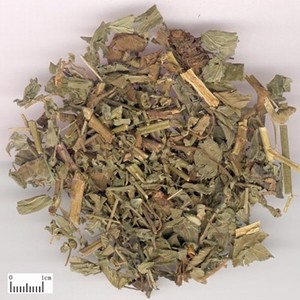 He Cao Ya: Chinese Herb Guide
He Cao Ya (Gemma Agrimoninae) Bitter, astringent, cool; liver, small intestine and large intestine channels. Actions Expel parasites
Something this article did not cover?
Ask us directly. We reply within two days, and good questions become public articles.
Ask a question →