
Qi Tonics
Ling Zhi (灵芝)
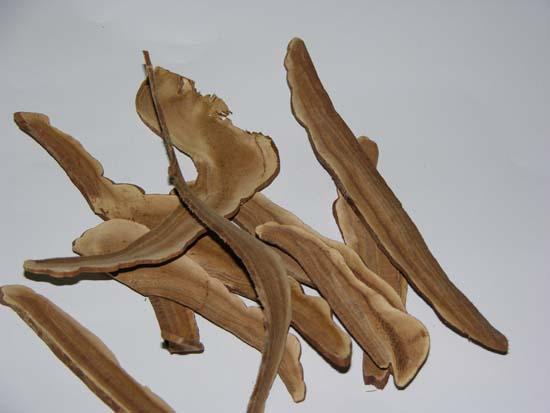
Name
Ling Zhi (Lucid Ganoderma), recorded in the Shennong Bencao Jing.
Source and quality
Plant
The fruiting body of the fungus Ganoderma lucidum (Leyss. ex Fr.) Karst. or G. sinense Zhao, Xu et Zhang, family Polyporaceae.
Where it is grown
Mainly produced in Sichuan, Zhejiang, Jiangxi and Hunan provinces. Most is cultivated and only a small proportion is wild.
Harvest
Collected throughout the year.
Smell and taste
Faint smell; bland.
Better grade
Firm, with fungus flesh that is white to pale brown.
Processing
Used unprocessed.
Nature and action
Sweet and neutral; enters the heart, lung, liver and kidney channels. Tonifies qi, nourishes the blood, induces tranquility and benefits the mind, and relieves cough and wheezing.
When it is used
Deficiency and overstrain
Ling Zhi has been a valued tonic since the earliest dynasties, because it tonifies the qi of the zang organs and nourishes qi and blood. It is used for deficiency and overstrain, with weakness, fatigue and tiredness from deficiency of qi and blood. It is used alone, or combined with qi tonics and blood-nourishing herbs to strengthen the effect, such as Ren Shen, Huang Qi and Dang Gui.
Restlessness, palpitations, insomnia and forgetfulness from heart deficiency
It is used for restlessness, palpitations, insomnia, dream-disturbed sleep and forgetfulness where the heart and mind are malnourished and qi and blood are deficient, because it tonifies heart qi, nourishes heart blood, and at the same time induces tranquility and benefits the mind. It is smashed into powder and taken alone, or combined with herbs that nourish the heart and settle the mind, such as Suan Zao Ren and Bai Zi Ren.
Cough and wheezing from lung deficiency
It is used for chronic cough and wheezing from lung deficiency, because it tonifies lung qi, nourishes the kidney, and relieves cough and wheezing. It is used alone, or combined with qi tonics and lung-astringing herbs, such as Ren Shen and Wu Wei Zi. It is also used for cough and wheezing from turbid phlegm stagnating internally.
Dose
Decoction 6~12 g; smashed, 1.5~3 g. Pills, powder and alcoholic preparations are common forms of this herb.
Sources and further reading
We cite classical materia medica and modern reference works. This article is health education, not medical advice.
- Shennong Bencao Jing (The Divine Farmer's Materia Medica), Han dynasty.
- Bencao Gangmu (Compendium of Materia Medica), Li Shizhen, 1578.
- Chinese Pharmacopoeia, current edition — identity, quality and safety monographs.
- NCCIH and WHO reference material on traditional medicine safety.
Spotted an error or a better source? Tell us — corrections are logged on our editorial policy page.
Did this article help you?
Your answer shapes what gets rewritten next.
Keep readingRelated entries
Ling Zhi: Chinese Herb Guide
Ling Zhi: tonify qi, nourish blood, induce tranquilization and profit wisdom, relieve cough and wheezing.
Lucid Ganoderma: Chinese Herb Guide
Lucid Ganoderma: tonify qi, nourish blood, induce tranquilization and profit wisdom, relieve cough and wheezing.
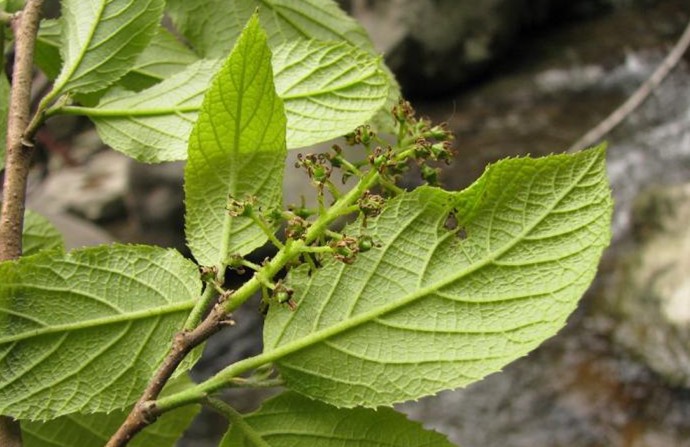 Niu Bi Shuan (Leaf or root of Chinese fortunearia)
Niu Bi Shuan: twig or leaf is used to refresh qi and promote the tissue regeneration, as hemostatic, for the treatment of deficiency of qi, internal injury.
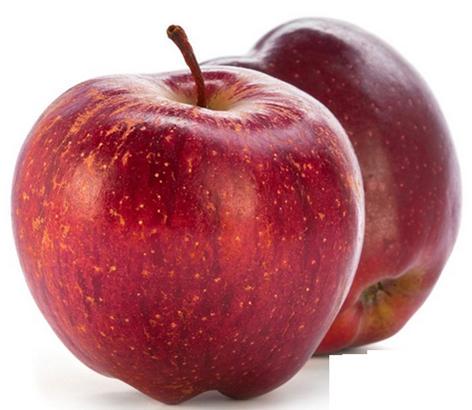 Ping Guo: Chinese Herb Guide
Ping Guo: promote the secretion of body fluid and moisten the lung, relieve restlessness, stimulate appetite and dispel the effects of alcohol.
Something this article did not cover?
Ask us directly. We reply within two days, and good questions become public articles.
Ask a question →