
Edema-Alleviating Diuretics
He Ye (Folium Nelumbinis)
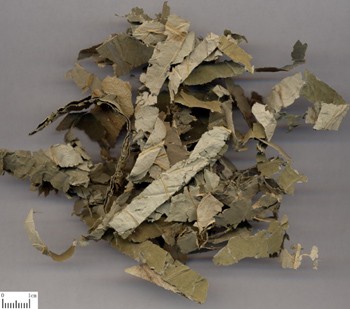
Name
He Ye (Lotus Leaf)
Nature and action
Bitter, astringent and neutral. It enters the heart, liver, spleen, gallbladder and lung meridians.
It clears heat and removes toxicity, promotes urination, cools the blood and stops bleeding.
Indications
- Hematemesis
- Hematochezia
- Metrorrhagia and metrostaxis
- Epistaxis
- Thunder headache
- Edema
- Dizziness
- Diarrhea due to summer heat and dampness
Dosage and administration
Decoct 3~10 g, or 15~30 g of the fresh product, or stir-bake it into charcoal and take 3~6 g. It can also be made into pills or powder. A proper dose is used for external application: pound it into a powder to apply to the affected area, or decoct it for washing.
Sources and further reading
We cite classical materia medica and modern reference works. This article is health education, not medical advice.
- Shennong Bencao Jing (The Divine Farmer's Materia Medica), Han dynasty.
- Bencao Gangmu (Compendium of Materia Medica), Li Shizhen, 1578.
- Chinese Pharmacopoeia, current edition — identity, quality and safety monographs.
- NCCIH and WHO reference material on traditional medicine safety.
Spotted an error or a better source? Tell us — corrections are logged on our editorial policy page.
Did this article help you?
Your answer shapes what gets rewritten next.
Keep readingRelated entries
He Ye: Chinese Herb Guide
He Ye: clear heat and remove toxicity, promote diuresis, cool blood and stop bleeding.
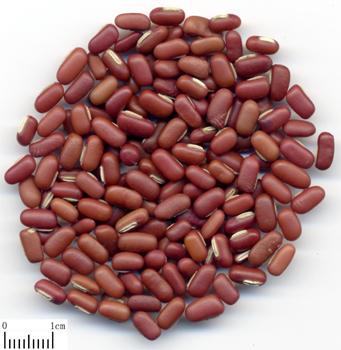 Rice Bean (Semen Phaseoli)
Chi Xiao Dou: promote urination and ease edema, remove toxin and drain pus, excrete dampness and alleviate jaundice.
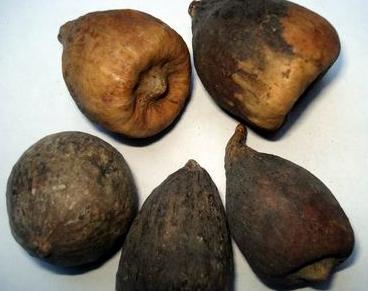 Climbing Fig Receptacle (Climbing Fig Fruit)
Mu Man Tou: promote lactation promote urination, activate blood and dissipate swelling.
Mu Man Tou (Climbing Fig Fruit)
Climbing Fig Receptacle: promote lactation promote urination, activate blood and dissipate swelling.
Something this article did not cover?
Ask us directly. We reply within two days, and good questions become public articles.
Ask a question →