
Heat-Clearing and toxicity-Removing Herbs
Luo Guo Di: Chinese Herb Guide
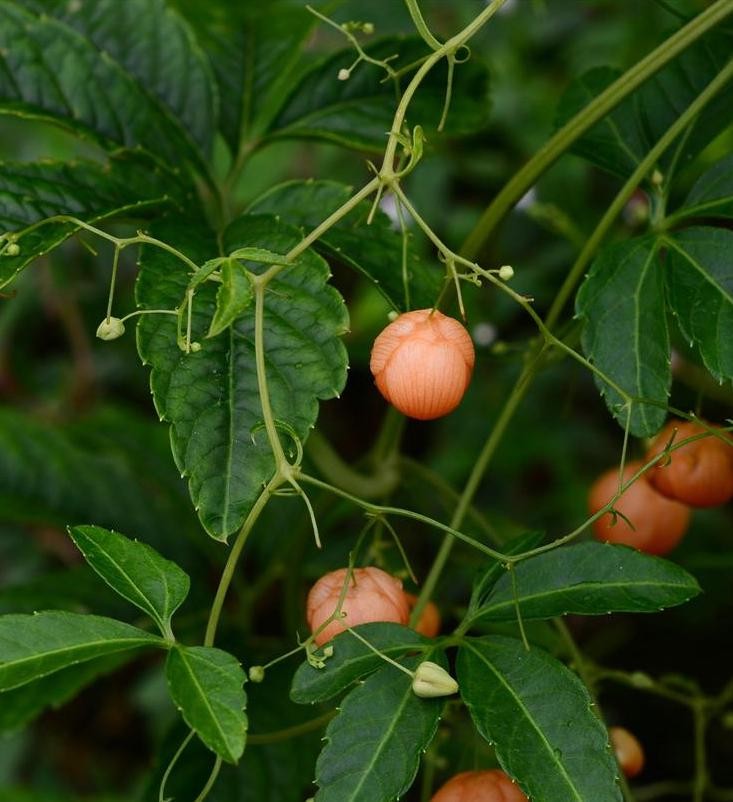
Name
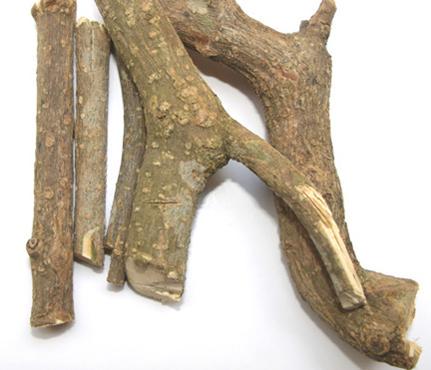
Luo Guo Di (Radix Hemsleyae)
Sources
The drug is the dried root tuber of Hemsleya amabilis Diels (family Cucurbitaceae), growing in shrubs, gullies, woods or at wet places, distributed in Guangxi, Sichuan, Guizhou, Yunnan of China.
The Effect of Luo Guo Di
Property
Bitter, cold, slightly toxic; stomach and large intestine meridians entered.
Actions
It is used to clear heat and remove toxicity, to relieve pain and stop bleeding; for the treatment of acute gastroenteritis, bacterial dysentery, acute tonsillitis, cervicitis and pain due to external injury, toothache, sore throat, stomachache, hepatitis, furuncle, swelling and pain of eyes, urinary tract infection.
Dosage and Administrations
Decoct 6~9 g, or made into powder for oral taking. Proper dosage is for external application, pounded for applying.
Contraindication
It is contraindicated in case of spleen deficiency and stomach cold. Avoid taking overdose.
Sources and further reading
We cite classical materia medica and modern reference works. This article is health education, not medical advice.
- Shennong Bencao Jing (The Divine Farmer's Materia Medica), Han dynasty.
- Bencao Gangmu (Compendium of Materia Medica), Li Shizhen, 1578.
- Chinese Pharmacopoeia, current edition — identity, quality and safety monographs.
- NCCIH and WHO reference material on traditional medicine safety.
Spotted an error or a better source? Tell us — corrections are logged on our editorial policy page.
Did this article help you?
Your answer shapes what gets rewritten next.
Keep readingRelated entries
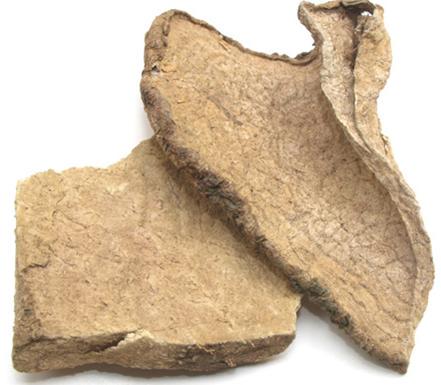 Di Bu Rong: Chinese Herb Guide
Di Bu Rong: clear heat and remove toxicity, eliminate phlegm and prevent malaria, alleviate pain.
Di Bu Rong: Chinese Herb Guide
Di Bu Rong: clear heat and remove toxicity, eliminate phlegm and prevent malaria, alleviate pain.
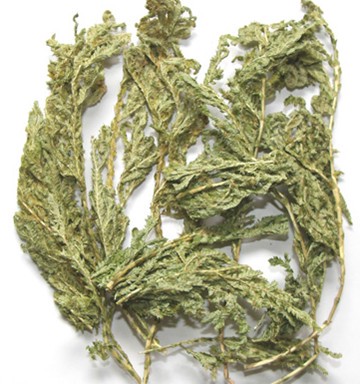 Shi Shang Bai: Chinese Herb Guide
Shi Shang Bai (Herba Selaginellae Doederleinii) Bitter, cold; liver, gallbladder and lung channels
Shi Shang Bai: Chinese Herb Guide
Shi Shang Bai (Herba Selaginellae Doederleinii) Bitter, cold; liver, gallbladder and lung channels
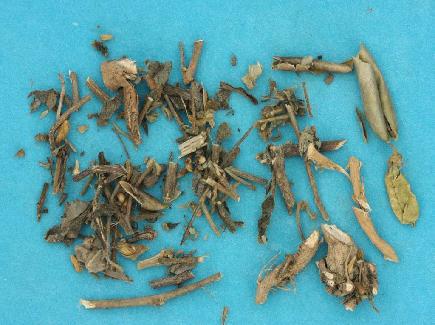 Nong Ji Li: Chinese Herb Guide
Nong Ji Li: clerat heat, promote diuresis, remove toxicity, replenish yin and tonify the kidney.
Nong Ji Li: Chinese Herb Guide
Nong Ji Li: clerat heat, promote diuresis, remove toxicity, replenish yin and tonify the kidney.
 Luo Fu Mu: Chinese Herb Guide
Luo Fu Mu (Devilpepper Root) Bitter, slightly acrid, cool. Actions Clear heat, reduce blood pressure, induce tranquilization
Luo Fu Mu: Chinese Herb Guide
Luo Fu Mu (Devilpepper Root) Bitter, slightly acrid, cool. Actions Clear heat, reduce blood pressure, induce tranquilization
Something this article did not cover?
Ask us directly. We reply within two days, and good questions become public articles.
Ask a question →