
Tranquilizing Herbs
Ci Shi (Magnetite): Chinese Herb Guide
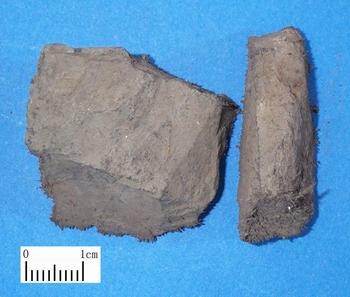
Name
Ci Shi (Magnetitum), recorded in the Shennong Bencao Jing.
Source and quality
Plant
The mineral magnetite, an oxide mineral of the spinel group.
Where it is grown
Shandong, Liaoning and Jiangsu provinces, among others.
Harvest
Mined at any time of year.
Smell and taste
Smell of earth; no taste.
Better grade
Black in color with a lustrous surface, and strongly magnetic.
Processing
Other stones and weakly magnetic minerals are removed; smashed for use raw, or quenched with vinegar and then ground to powder.
Nature and action
Salty and cold; enters the heart, liver and kidney channels. Induces sedation and tranquilization, pacifies the liver and subdues yang, improves hearing and vision, improves the reception of qi and relieves wheezing.
When it is used
Unsteadiness of the heart and mind, convulsions, epilepsy and mania-depressive psychosis
Because of its weight and its descending, sinking nature, it settles the mind and enters the heart channel, while tonifying kidney yin and entering the kidney channel. It is therefore good at protecting kidney yin, settling floating yang and inducing tranquility.
It is used for unsteadiness of the heart and mind from kidney deficiency with up-flaring liver fire disturbing the mind; for unsteadiness, insomnia and fright palpitations when fright leads to qi turbulence and the mind fails to keep to its abode; and for epilepsy, mania with unsteadiness and insomnia when phlegm-fire clouds the heart. In these conditions it is often combined with Zhu Sha to settle the mind, as in Ci Zhu Wan from Bei Ji Qian Jin Yao Fang.
Dizziness from liver yang
It enters the liver and kidney channels, pacifies the liver and subdues yang, and nourishes kidney yin to restrain floating yang. For dizziness, blurred vision, irritability and a tendency to anger, it is combined with herbs that pacify the liver and subdue yang, such as Shi Jue Ming and Mu Li.
Tinnitus, deafness and dimmed vision from liver and kidney deficiency
It nourishes kidney yin and improves hearing and vision. For tinnitus and deafness from kidney deficiency it is combined with kidney-nourishing herbs to tonify the kidney and improve hearing, such as Shu Di Huang, Shan Zhu Yu and Wu Wei Zi. For blurred vision from liver and kidney deficiency it is combined with herbs that tonify liver and kidney and improve vision, such as Gou Qi Zi, Nv Zhen Zi and Ju Hua.
Dyspnea from kidney deficiency
It tonifies the kidney, improves the reception of qi and relieves wheezing. For wheezing from kidney qi deficiency with failure to receive qi, it is combined with herbs that improve the reception of qi and relieve wheezing, such as Wu Wei Zi, Hu Tao Rou and Ge Jie.
Dose
Decoction 15~30 g; smash and decoct first. As powder, 1~3 g. Mostly used after being quenched with vinegar.
Sources and further reading
We cite classical materia medica and modern reference works. This article is health education, not medical advice.
- Shennong Bencao Jing (The Divine Farmer's Materia Medica), Han dynasty.
- Bencao Gangmu (Compendium of Materia Medica), Li Shizhen, 1578.
- Chinese Pharmacopoeia, current edition — identity, quality and safety monographs.
- NCCIH and WHO reference material on traditional medicine safety.
Spotted an error or a better source? Tell us — corrections are logged on our editorial policy page.
Did this article help you?
Your answer shapes what gets rewritten next.
Keep readingRelated entries
Ci Shi: Chinese Herb Guide
Ci Shi: induce sedation and tranquilization, pacify liver and subdue yang, improve hearing and improve vision, improve qi reception and relieve wheezing.
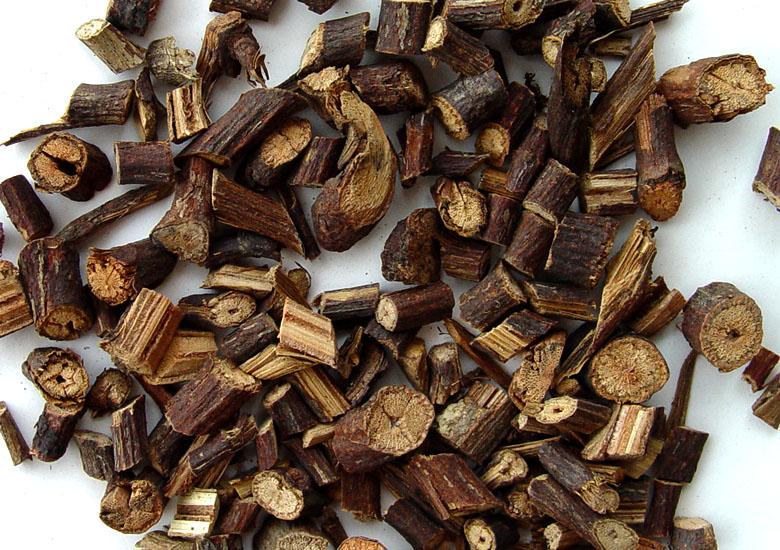 Shou Wu Teng (Tuber Fleeceflower Stem)
For insomnia lasting all night due to in deficiency with yang hyperactivity, it is often combined with yin-blood-nourishi.
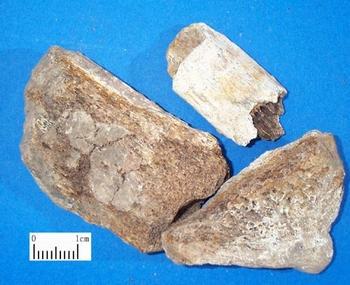 Ossa Draconis (Os Draconis)
Long Gu: induce sedation and tranquilization, pacify liver and subdue yang, arrest and astringe discharge.
Long Gu (Os Draconis) in TCM
Ossa Draconis: induce sedation and tranquilization, pacify liver and subdue yang, arrest and astringe discharge.
Something this article did not cover?
Ask us directly. We reply within two days, and good questions become public articles.
Ask a question →