
毛白杨
NameMao Bai Yang (Cortex Populi Tomentosae)SourcesThe drug is the dried bark, inflorescence or fresh leaf of Populus tomentosa Carr.(Family Salicaceae), growing in mountain area and pastures, and distributed and cultivated mostly in North China, North-west Chinaand Liaoning, Henan, Shandong, Anhui,
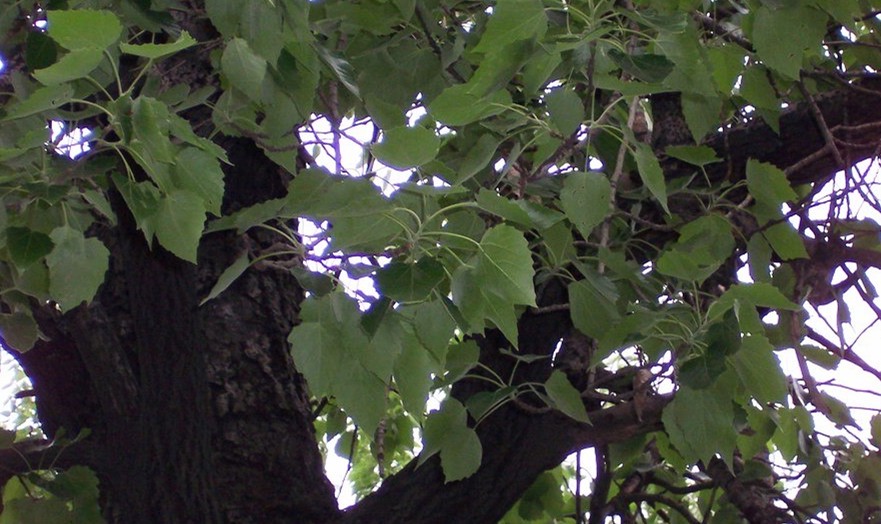
Name
Mao Bai Yang (Cortex Populi Tomentosae)
Sources
The drug is the dried bark, inflorescence or fresh leaf of Populus tomentosa Carr.(Family Salicaceae), growing in mountain area and pastures, and distributed and cultivated mostly in North China, North-west Chinaand Liaoning, Henan, Shandong, Anhui, Jiangsu and Hubei.
The Effect of 毛白杨
Property
Bitter, sweet, cold.
Actions
Clear heat and induce diuresis, relieve cough and reduce phlegm.
Indications
Dysentery,stranguria with turbid urine,leukorrhea, asthma due to excessive phlegm with cough, cough due to lungheat, hepatitis.
Dosage and Administrations
Decoct 10~15 g. Proper dosage is for external application, pounded for applying.
Did this article help you?
Your answer directly shapes how this article gets rewritten. Several sections on this site exist because readers asked for them.
Keep readingRelated for you
Mao Bai Yang
NameMao Bai Yang (Cortex Populi Tomentosae)SourcesThe drug is the dried bark, inflorescence or fresh leaf of Populus tomentosa Carr.(Family Salicaceae), growing in mountain area and pastures, and distributed and cultivated mostly in North China, North-west Chinaand Liaoning, Henan, Shandong, Anhui,
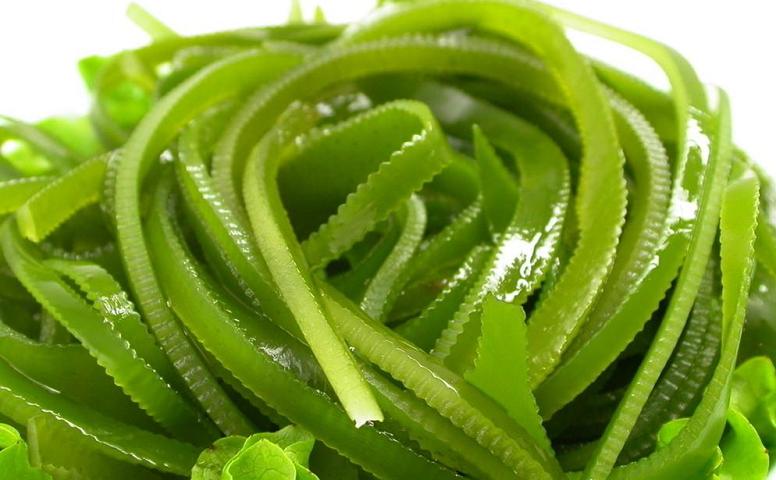 Laminaria japonica
NameHai Dai (Laminaria japonica)The Effect of Laminaria japonicaPropertySalty, cold; bladder meridian entered.ActionsClear heat and resolve phlegm, soften hardness and dissipate nodulation, induce diuresis.IndicationsEdema, barbiers, abdominal mass, goiter, tumor, nodule.Dosage and AdministrationsDe
Cortex Populi Tomentosae
NameMao Bai Yang (Cortex Populi Tomentosae)SourcesThe drug is the dried bark, inflorescence or fresh leaf of Populus tomentosa Carr.(Family Salicaceae), growing in mountain area and pastures, and distributed and cultivated mostly in North China, North-west Chinaand Liaoning, Henan, Shandong, Anhui,
Laminaria japonica
NameHai Dai (Laminaria japonica)The Effect of Laminaria japonicaPropertySalty, cold; bladder meridian entered.ActionsClear heat and resolve phlegm, soften hardness and dissipate nodulation, induce diuresis.IndicationsEdema, barbiers, abdominal mass, goiter, tumor, nodule.Dosage and AdministrationsDe
Cortex Populi Tomentosae
NameMao Bai Yang (Cortex Populi Tomentosae)SourcesThe drug is the dried bark, inflorescence or fresh leaf of Populus tomentosa Carr.(Family Salicaceae), growing in mountain area and pastures, and distributed and cultivated mostly in North China, North-west Chinaand Liaoning, Henan, Shandong, Anhui,
Something this article didn't cover?
Ask us directly — we reply within 2 days. Great questions become public articles.
Ask a question →