
Wind-Damp-Dispelling, tendons-Soothing and Collaterals-Activating Herbs
Mao Tui Gu: Chinese Herb Guide
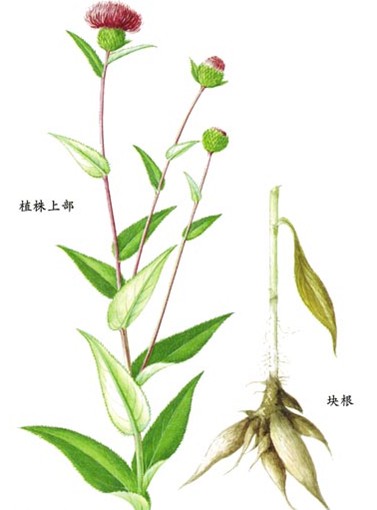
Name
Mao Tui Gu (Vlassoviana Thistle Root)
The Effect of Mao Tui Gu
Property
Slightly pungent, warm.
Actions
Dispel wind, eliminate dampness, activate collaterals and alleviate pain.
Indications
Rheumatic arthritis and numbness of limbs.
Dosage and Administrations
Decoct 3~6 g, or soaked in wine.
This entry follows the standard reference format. How to read a TCM entry explains what each heading means and how the terminology works. Not medically reviewed and not medical advice — see the medical disclaimer.
Sources and further reading
We cite classical materia medica and modern reference works. This article is health education, not medical advice.
- Shennong Bencao Jing (The Divine Farmer's Materia Medica), Han dynasty.
- Bencao Gangmu (Compendium of Materia Medica), Li Shizhen, 1578.
- Chinese Pharmacopoeia, current edition — identity, quality and safety monographs.
- NCCIH and WHO reference material on traditional medicine safety.
Spotted an error or a better source? Tell us — corrections are logged on our editorial policy page.
Did this article help you?
Your answer shapes what gets rewritten next.
Keep readingRelated entries
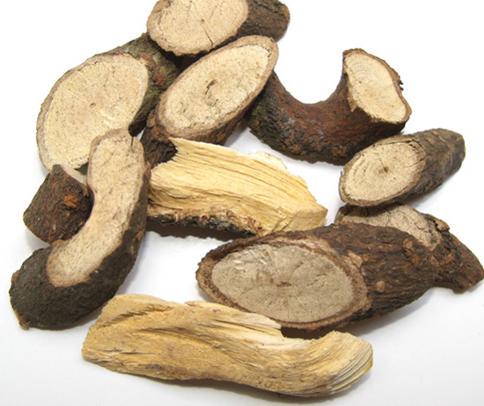 Hei Gu Tou (Forrest Silkvine Stem or Root)
 Sweet, acrid, warm, slightly toxic. Actions Dispel wind, eliminate dampness, activate blood, treat boils
Hei Gu Tou (Forrest Silkvine Stem or Root)
Hei Gu Tou (Forrest Silkvine Stem or Root) Sweet, acrid, warm, slightly toxic. Actions Dispel wind, eliminate dampness, activate blood, treat boils
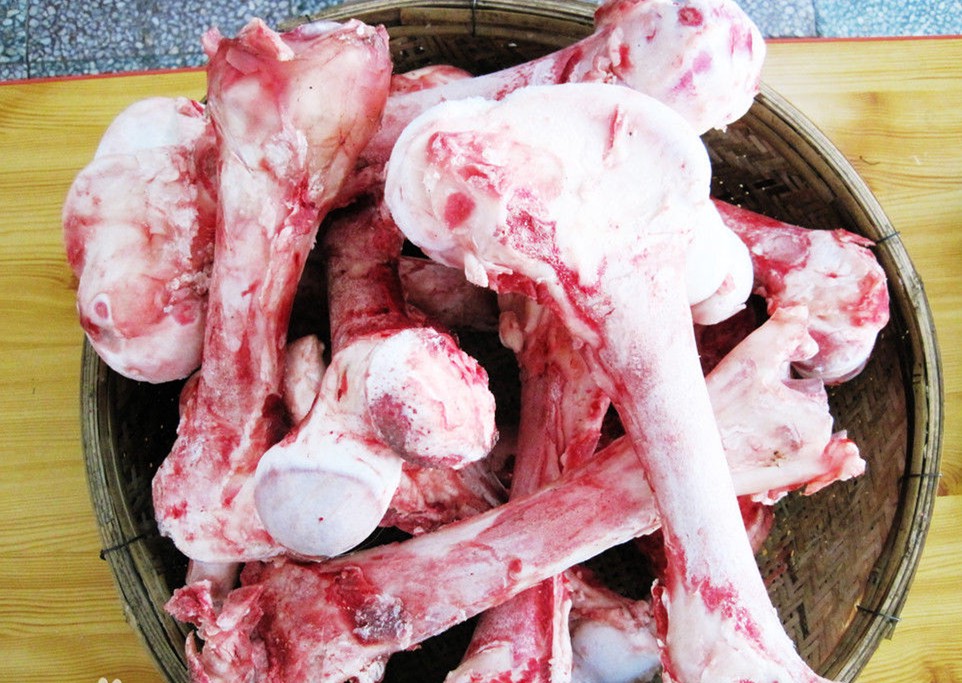 Niu Gu (Water Buffalo bone)
Niu Gu (Ox bone or Water Buffalo bone) Sweet, warm; heart, kidney and large intestine channels
Niu Gu (Water Buffalo bone)
Niu Gu (Ox bone or Water Buffalo bone) Sweet, warm; heart, kidney and large intestine channels
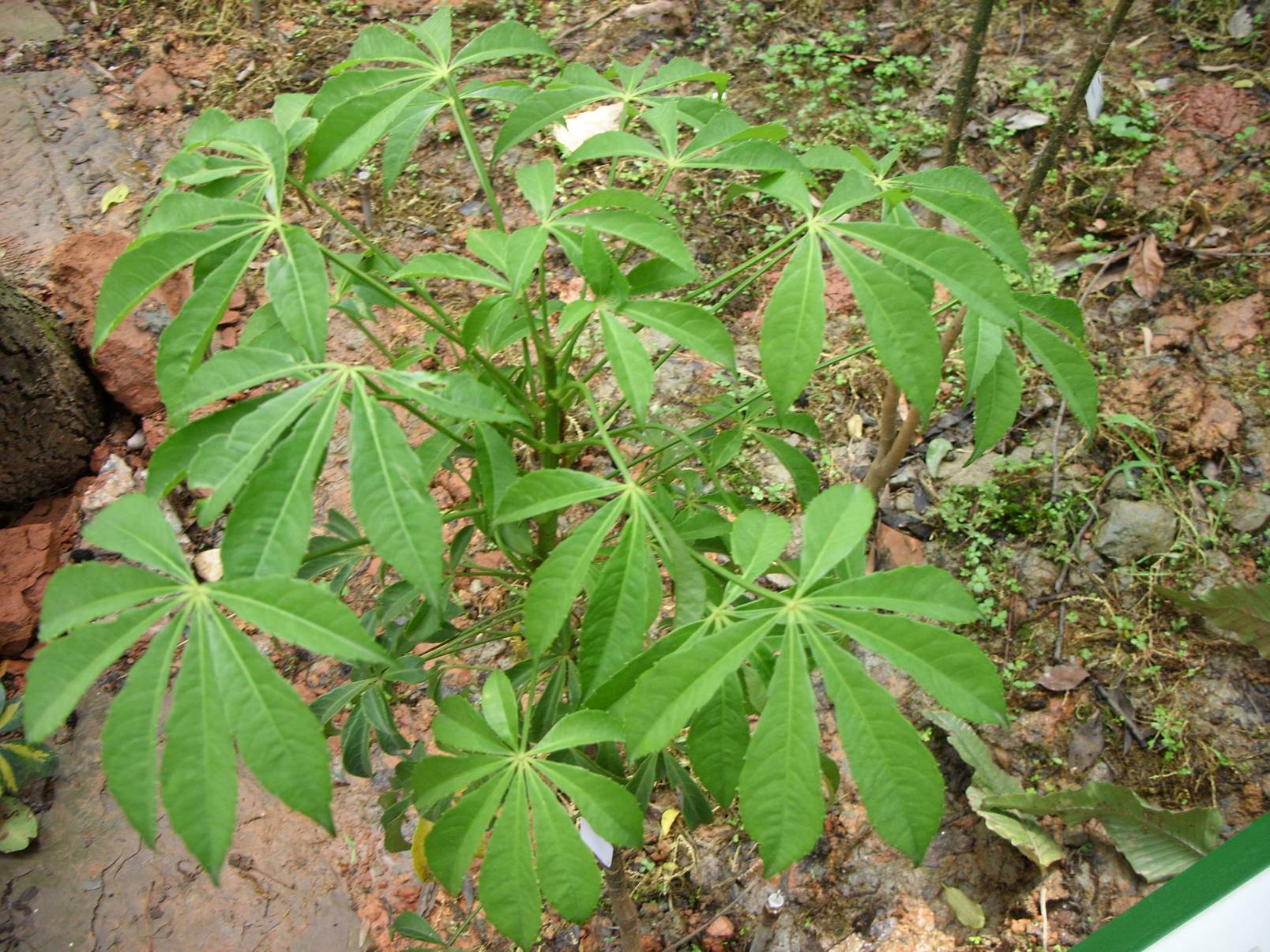 Qi Jiao Feng (Radix seu Folium Macropanacis Rosthornii)
Qi Jiao Feng: expel wind, eliminate dampness, dissipate stasis and dredge meridians, strengthen the spleen.
Qi Jiao Feng (Radix seu Folium Macropanacis Rosthornii)
Qi Jiao Feng: expel wind, eliminate dampness, dissipate stasis and dredge meridians, strengthen the spleen.
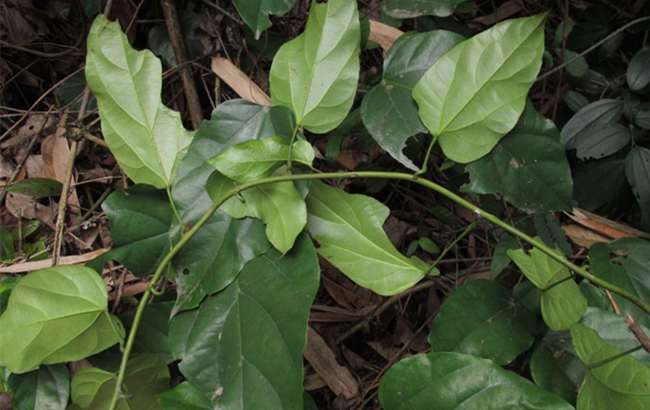 Da Ye Teng (Stem of tonkin tinomiscium)
: expel wind-damp, dredge meridians, dissipate stasis and alleviate pain, remove toxicity.
Da Ye Teng (Stem of tonkin tinomiscium)
Da Ye Teng (Stem of tonkin tinomiscium): expel wind-damp, dredge meridians, dissipate stasis and alleviate pain, remove toxicity.
Something this article did not cover?
Ask us directly. We reply within two days, and good questions become public articles.
Ask a question →