
Mao Xiang (Rhizoma Hierochloes Odoratae)
茅香: it is used to cool blood and stop bleeding, clear away heat and promote urination; for the treatment of vomiting blood, hematuria, edema due to nephritis, strangury of heat type.
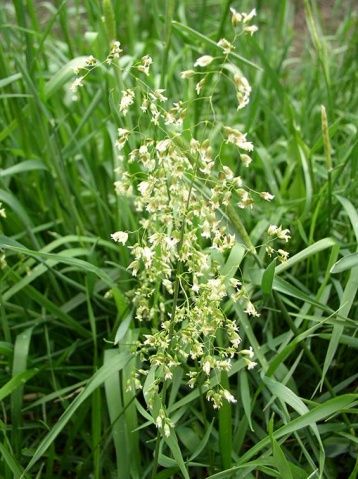
Name
Mao Xiang (Rhizoma Hierochloes Odoratae))
Sources
The drug is the dried rhizome and whole herb of Hierochloe odorata (L.) Beauv. (family Gramineae), growing on shady hill-slopes or wet grass-fields, distributed in Inner Mongolia, Shaanxi, Gansu, Shanxi, Shandong of China.
The Effect of 茅香
Property
Sweet, cold.
Actions
It is used to cool blood and stop bleeding, clear away heat and induce diuresis; for the treatment of hematemesis, hematuria, edema due to nephritis, stranguria of heat type.
Dosage and Administrations
Decoct 30~60 g.
Did this article help you?
Your answer directly shapes how this article gets rewritten. Several sections on this site exist because readers asked for them.
Keep readingRelated for you
Mao Xiang (Rhizoma Hierochloes Odoratae)
Mao Xiang: it is used to cool blood and stop bleeding, clear away heat and promote urination; for the treatment of vomiting blood, hematuria, edema due to nephritis, strangury of heat type.
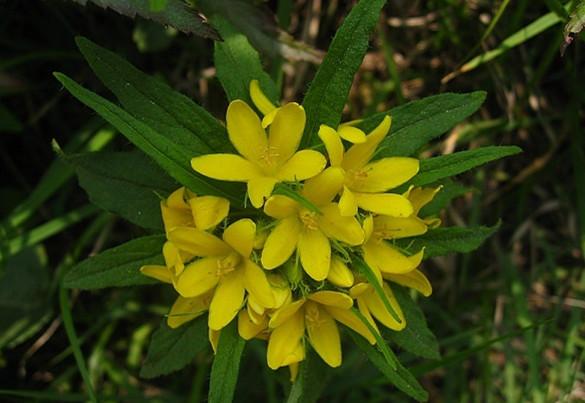 轮叶排草
Name Lun Ye Pai Cao (Herba Lysimachiae Klattianae) Sources The drug is the dried or fresh whole plant with root of Lysimachia klattiana Hance(family primulaceae), growing on hill M.
Mao Xiang
Mao Xiang: it is used to cool blood and stop bleeding, clear away heat and promote urination; for the treatment of vomiting blood, hematuria, edema due to nephritis, strangury of heat type.
轮叶排草
Name Lun Ye Pai Cao (Herba Lysimachiae Klattianae) Sources The drug is the dried or fresh whole plant with root of Lysimachia klattiana Hance(family primulaceae), growing on hill M.
Mao Xiang
Mao Xiang: it is used to cool blood and stop bleeding, clear away heat and promote urination; for the treatment of vomiting blood, hematuria, edema due to nephritis, strangury of heat type.
Something this article didn't cover?
Ask us directly — we reply within 2 days. Great questions become public articles.
Ask a question →