
Qi-Moving Herbs
Rose (Flos Rosae Rugosae)
Flos Rosae Rugosae
玫瑰花
Mei Gui Hua
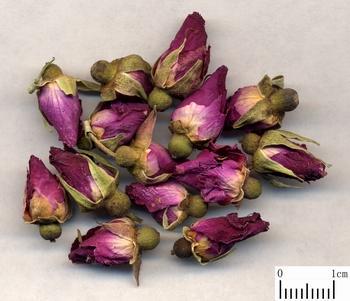
Name
Mei Gui Hua (Rose)
Nature and action
Sweet, slightly bitter and warm. It enters the liver and spleen meridians.
It regulates the flow of qi, dispels melancholy, activates blood and dissipates blood stasis.
Indications
- Sores and boils
- Dysentery
- Acute mastitis
- Stomachache due to emotional depression and hyperactive liver qi attacking the stomach
- Irregular menstruation
- Leukorrhea with reddish discharge
- Hemoptysis
- Hematemesis
- Wandering arthritis
Dosage and administration
Decoct 3~10 g, or make it into a paste or steep it in wine.
Cautions
Contraindicated in yin deficiency with effulgent fire.
Sources and further reading
We cite classical materia medica and modern reference works. This article is health education, not medical advice.
- Shennong Bencao Jing (The Divine Farmer's Materia Medica), Han dynasty.
- Bencao Gangmu (Compendium of Materia Medica), Li Shizhen, 1578.
- Chinese Pharmacopoeia, current edition — identity, quality and safety monographs.
- NCCIH and WHO reference material on traditional medicine safety.
Spotted an error or a better source? Tell us — corrections are logged on our editorial policy page.
Did this article help you?
Your answer shapes what gets rewritten next.
Keep readingRelated entries
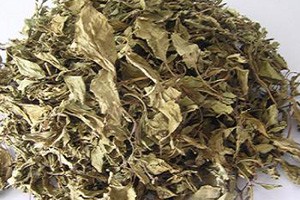 Lysimachia foenum-graecum Hance
: expel roundworm, regulate the flow of qi, relieve exterior, dispel wind-cold and alleviate pain.
Ling Ling Xiang: Chinese Herb Guide
Ling Ling Xiang: expel roundworm, regulate the flow of qi, relieve exterior, dispel wind-cold and alleviate pain.
Mei Gui Hua (Flos Rosae Rugosae)
Rose: regulate the flow of qi, dispel melancholy, activate blood and dissipate blood stasis.
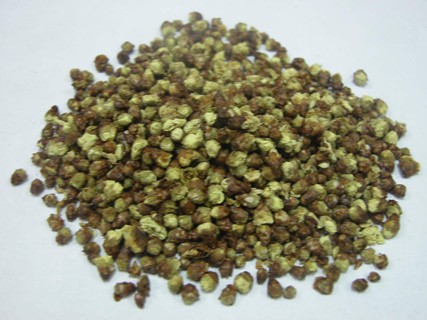 Lv E Mei: Chinese Herb Guide
Lv E Mei (Mume Flower) Bitter, slightly sweet, neutral; liver, stomach and lung channels
Something this article did not cover?
Ask us directly. We reply within two days, and good questions become public articles.
Ask a question →