
Heat-Clearing and Blood-cooling Herbs
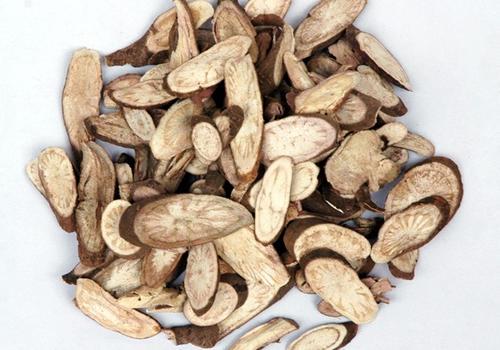
Mu Dan Pi (Tree Peony Bark)
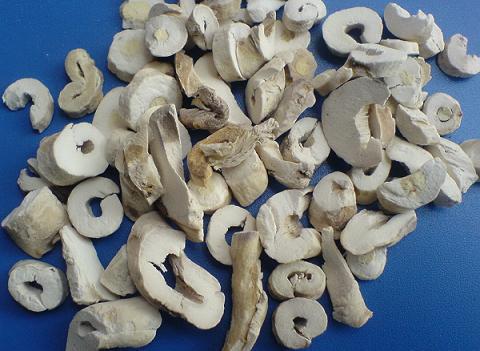
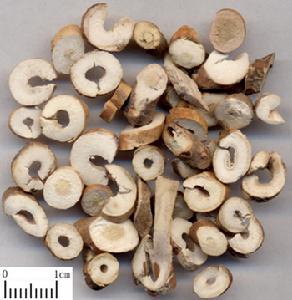
Naming
Mu Dan Pi (Cortex Moutan)——Shen Nong Ben Cao Jing (Shen Nong’s Herbal)
The Processing of 牡丹皮
Origin
The root bark of Paeonia suffruticosa Andr. of family Ranunculaceae.
Location
Everywhere in China.
Harvest
Collected in autumn.
the actual smell and taste
Fragrant smell, slightly bitter and astringent taste.
Best quality
Large, thick, white cross-section, and easily made into powder, strong fragrant, profuse crystals.
Processing
Dried under sunshine, unprocessed or stir-baked with alcohol.
The Effect of 牡丹皮
Property
Bitter, pungent, light cold; heart, liver and kidney meridians entered.
Actions
Clear heat and cool blood, activate blood and resolve stasis, reduce deficiency heat.
Indications
A. Heat entering nutrient-blood system in warm diseases
It can clear heat from nutrient and blood system, and excels in resolving stasis with its pungent nature. With the characteristics of cooling blood without leading to blood stagnation as well as activating blood without leading to bleeding, it is much suitable for treating syndrome of heat entering blood system in warm diseases which is manifested as fever aggravated at night, macula or papule, hematemesis and apostaxis. It can be combined with other blood-cooling, toxicity-removing and bleeding-stopping herbs so as to reinforce its action of clearing blood heat as well as prevent the side effects of blood-cooling and bleeding-stopping herbs in aspect of congealing cold with blood stasis, for example, Shui Niu Jiao, Raw Di Huang and Qian Cao Gen, etc.
B. Syndrome of blood stasis
It excels in activating blood and resolving stasis, therefore it is wildly indicated for irregular menstruation, amenorrhoea, abdominal mass and traumatic injury caused by blood stasis; and being cold nature, it is much suitable for treating blood stagnation with heat. For irregular menstruation accompanied with transformation of depressed liver qi into fire, it is often combined with menstruation-regulating herbs, such as Zhi Zi, Dang Gui, Shao Yao in Dan Zhi Xiao Yao San from Fu Ren Da Quan Liang Fang. It has strong effect in resolving blood stasis, and is not too cold in nature, so it is used to treat the syndrome of congealing cold with blood stasis, and often combined with meridian-warming and blood-activating herbs, for example, Gui Zhi, Dang Gui and so on in Gui Zhi Fu Ling Wan from Jin Kui Yao Lue. For pain and swelling due to traumatic injury, it can be used with Mo Yao and Ru Xiang which excel in activating blood and curing trauma.
With the basic actions of clearing heat and cooling blood as well as activating blood and resolving stasis, it can take effect of curing abscess, dissipating nodulation and stopping pain. So it is commonly indicated for sores and abscess with swelling pain no matter in body surface or internal organs which is caused by fire-toxicity accumulation and blood heat stagnation, and is often combined with herbs of clearing heat and removing toxicity and herbs of curing abscess and dissipating nodulation.
For intestinal abscess in initial stage due to accumulation of blood stasis and heat; it is combined with Da Huang and Tao Ren in Da Huang Mu Dan Pi Tang from Jin Kui Yao Lue.
C. Syndrome of deficiency heat
It clears deficiency heat for its liver and kidney meridian entered property. For the terminal stage of warm disease with lingering pathogenic qi manifested as yin-fluid consumption, bone-steaming without sweating, fever aggravated at night while alleviated at morning, or lingering low-grade fever, it is often combined with yin-nourishing, deficiency fever-lowering herbs such as Bie Jia, Qing Hao, Zhi Mu, etc. , as in Qing Hao Bie Jia Tang from Wen Bing Tiao Bian.
For liver and kidney yin-deficiency manifested as vexing heat in chest, palms and soles, tidal fever and night sweat, it can be used with Di Huang and Zhi Mu, etc. , as in Zhi Bai Di Huang Wan from Yi Zong Jin Jian.
Dosage and Administrations
Decoct 6~12g. The raw one is better for clearing heat and cooling blood while the one stir-baked with alcohol is better for activating blood and resolving stasis.
Cautions
It is contraindicated in cases of profuse menstruation and pregnant women.
Sources and further reading
We cite classical materia medica and modern reference works. This article is health education, not medical advice.
- Shennong Bencao Jing (The Divine Farmer's Materia Medica), Han dynasty.
- Bencao Gangmu (Compendium of Materia Medica), Li Shizhen, 1578.
- Chinese Pharmacopoeia, current edition — identity, quality and safety monographs.
- NCCIH and WHO reference material on traditional medicine safety.
Spotted an error or a better source? Tell us — corrections are logged on our editorial policy page.
Did this article help you?
Your answer shapes what gets rewritten next.
Keep readingRelated entries
Dan Pi (Tree Peony Bark) in TCM
Mu Dan Pi: clear heat and cool blood, activate blood and resolve stasis, reduce deficiency heat.
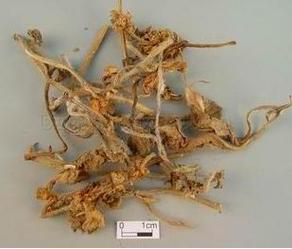 Jin Gu Cao (Herba Ajugae)
Decumbent Bugle Herb: relieve cough and resolve phlegm, clear heat and cool blood, resolve swelling and remove toxicity.
Jin Gu Cao (Herba Ajugae)
Decumbent Bugle Herb: relieve cough and resolve phlegm, clear heat and cool blood, resolve swelling and remove toxicity.
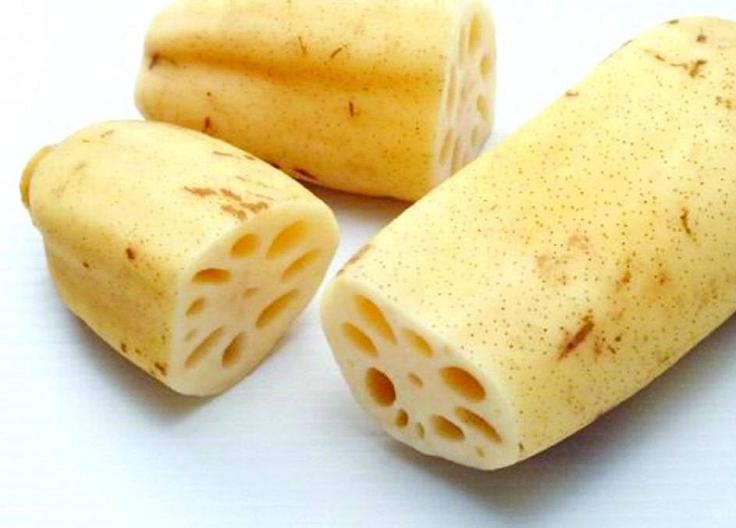 Lotus root: Chinese Herb Guide
Ou (Lotus root) Sweet, cold; heart, spleen and stomach channels. Actions The raw: Clearing heat and cooling blood, dissipating blood stasis
Lotus root: Chinese Herb Guide
Ou (Lotus root) Sweet, cold; heart, spleen and stomach channels. Actions The raw: Clearing heat and cooling blood, dissipating blood stasis
 Chi Shao: Chinese Herb Guide
Chi Shao: clear heat and cool blood, activate blood and resolve stasis, clear liver fire.
Chi Shao: Chinese Herb Guide
Chi Shao: clear heat and cool blood, activate blood and resolve stasis, clear liver fire.
Something this article did not cover?
Ask us directly. We reply within two days, and good questions become public articles.
Ask a question →