
Heat-Clearing and toxicity-Removing Herbs
Mu Shu: Chinese Herb Guide
Name
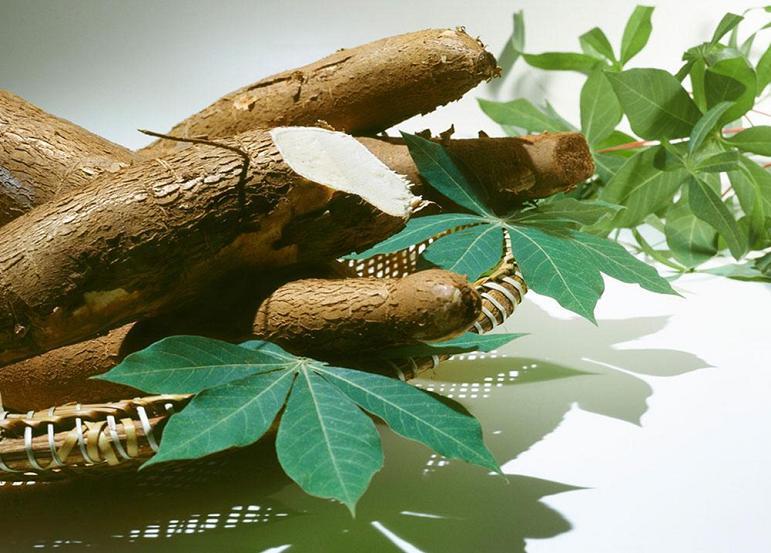
Mu Shu (Manihot Amylum seu Folium)
Sources
The drug is the starch or leaf of Manihot esculenta Crantz (Family Euphorbiaceae), cultivated in thick soils on hillsides, hilllands or sandy lands, cultivated in Fujian, Taiwan, Guangdong, Guangxi, Hainan and Yunnan of China.
Constituents
The herb and tuber contain hydrocyania acid, saponins, volatile oil.
The Effect of Mu Shu
Property
Bitter, cold, slightly toxic; heart meridian entered.
Actions
The starch is used as anti-inflammatory antitoxic and antipyretic, to expel heat from blood, for the treatment of hydrops. Leaf is used as antioncotic and antitoxic, externally used for carbuncles and sores.
Dosage and Administrations
Proper dosage is for external application, pounded for applying with the fresh.
Cautions
It is for external use only.
Sources and further reading
We cite classical materia medica and modern reference works. This article is health education, not medical advice.
- Shennong Bencao Jing (The Divine Farmer's Materia Medica), Han dynasty.
- Bencao Gangmu (Compendium of Materia Medica), Li Shizhen, 1578.
- Chinese Pharmacopoeia, current edition — identity, quality and safety monographs.
- NCCIH and WHO reference material on traditional medicine safety.
Spotted an error or a better source? Tell us — corrections are logged on our editorial policy page.
Did this article help you?
Your answer shapes what gets rewritten next.
Keep readingRelated entries
 Shui Xian Cai: Chinese Herb Guide
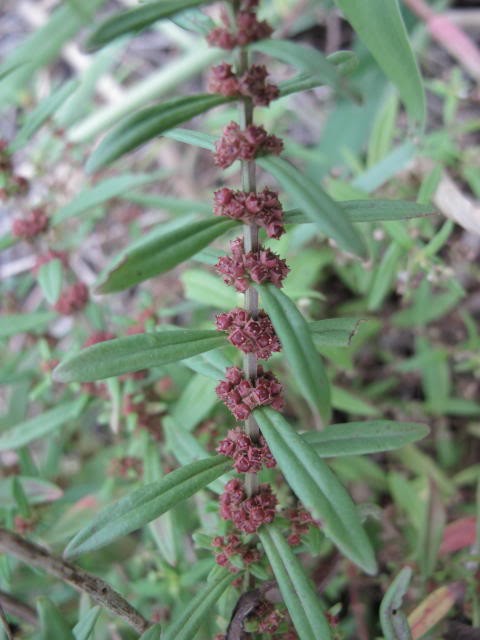
Shui Xian Cai: clear heat and promote urination, eliminate swelling and remove toxicity.
 Hu Zhang Cao: Chinese Herb Guide
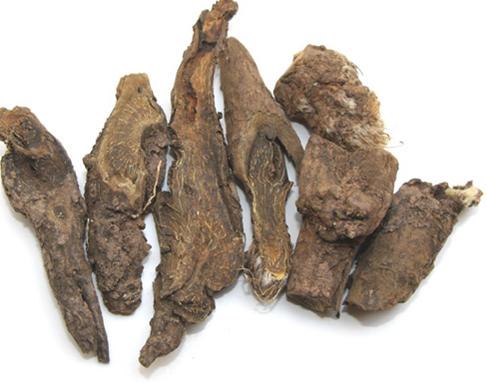
Hu Zhang Cao: clear heat and remove toxicity, activate blood and relax the tendons.
 Gou Gan Cai: Chinese Herb Guide
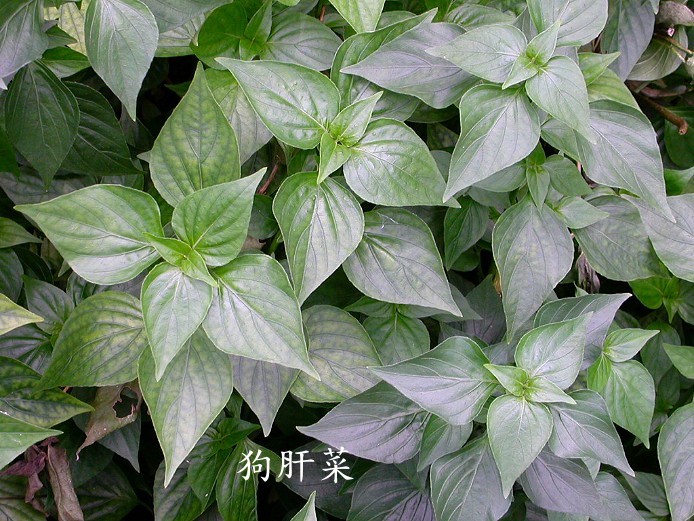
Gou Gan Cai (Chinese Dicliptera Herb) Sweet, slightly bitter, cold; liver, lung and heart channels
Something this article did not cover?
Ask us directly. We reply within two days, and good questions become public articles.
Ask a question →