
Yin Tonics
Sha Shen (Ladybell Root) in TCM
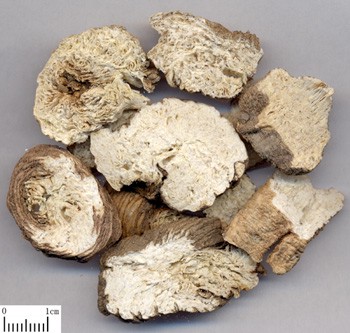
Naming
Nan Sha Shen (Radix Adenophorae)——Shen Nong Ben Cao Jing (Shen Nong’s Herbal)
The Processing of Nan Sha Shen
Origin
The root of the perennial herbaceous plant Adenophora tetraphylla (Thunb.) Fisch or A. stricta Miq. of genius Ladybell of family Campanulaceae.
Location
Cultivated in most area in Southern China.
Harvest
Plucked in spring and autumn.
The actual smell and taste
No foul smell, slightly sweet.
Best quality
Plump and even coarse, yellow-white color.
Processing
Unprocessed.
The Effect of Nan Sha Shen
Property
Sweet, slightly bitter, slightly cold; lung and stomach meridians entered.
Actions
Nourish yin of lung and stomach, clear heat of lung and stomach, tonify qi of spleen and lung, and dispel phlegm.
Indications
A. Lung yin deficiency syndromes
It is indicated for dry cough with little phlegm, blood in phlegm, dryness in throat, and hoarseness due to lung yin deficiency with dryness-heat in lung too, because it can nourish lung yin, moisten dryness in lung and clear lung heat. Though, it is weaker than Bei Sha Shen from the aspect of moistening dryness in lung and clearing lung heat, it can disperse phlegm and tonify lung qi, and it is very indicated for chronic cough due to yin deficiency with dryness in lung, sticky phlegm and difficulty in spitting, and both qi and yin deficiency. It is commonly combined with yin-nourishing, lung-moistening and cough-relieving herbs, such as Bei Sha Shen, Mai Dong, and Xing Ren. Or it can be combined with both qi and yin tonifying herbs, such as Xi Yang Shen, Tai Zi Shen.
B. Stomach yin deficiency syndromes
It is indicated for dryness in mouth and throat, dry stool or constipation, red tongue with little fluid, hunger without appetite, retching and other symptoms due to stomach yin deficiency with heat, because it can nourish stomach yin, produce fluid to check thirst, and clear stomach heat. From the aspect of stomach yin nourishing and stomach heart clearing, it is weaker than Bei Sha Shen, But, it has the action of tonifying spleen qi, so it is indicated for both stomach yin and spleen qi deficiency syndrome, especially indicated for qi and yin both deficiency with remaining heat at the later stage of heat diseases, which is contraindicated to tonifying with warm herbs. It is usually combined with stomach-yin-nourishing and stomach-heat-clearing herbs. For instance, it is used with Yu Zhu, Mai Dong and Sheng Di Huang in Yi Wei Tang from Wen Bing Tiao Bian.
Dosage and Administrations
Decoct 10~15 g.
Cautions
Antagonizing Li Lu.
Sources and further reading
We cite classical materia medica and modern reference works. This article is health education, not medical advice.
- Shennong Bencao Jing (The Divine Farmer's Materia Medica), Han dynasty.
- Bencao Gangmu (Compendium of Materia Medica), Li Shizhen, 1578.
- Chinese Pharmacopoeia, current edition — identity, quality and safety monographs.
- NCCIH and WHO reference material on traditional medicine safety.
Spotted an error or a better source? Tell us — corrections are logged on our editorial policy page.
Did this article help you?
Your answer shapes what gets rewritten next.
Keep readingRelated entries
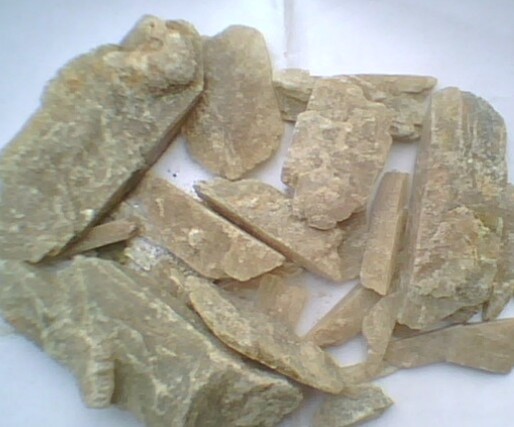 Xuan Jing Shi: Chinese Herb Guide
Xuan Jing Shi (Gypsum vitreum) Salty, cold; kidney channel. Actions Clear heat and tonify yin
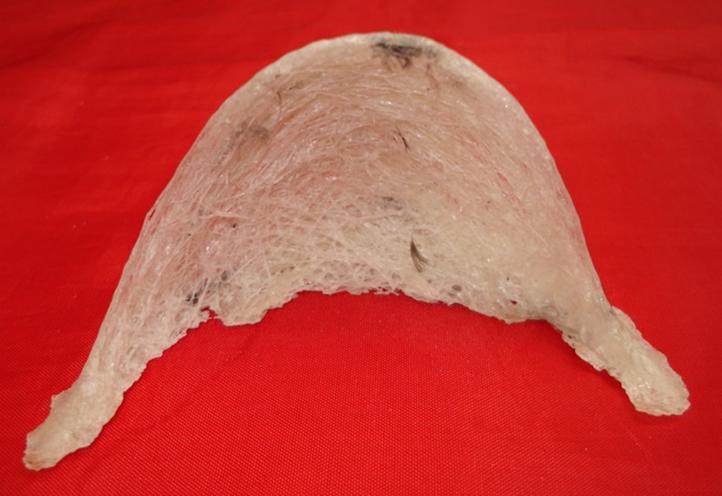 Yan Wo: Chinese Herb Guide
Yan Wo: nourish yin and moisten dryness, replenish qi and tonify the stomach and spleen.
Nan Sha Shen (Ladybell Root)
Nourish yin of lung and stomach, clear heat of lung and stomach, tonify qi of spleen and lung, and dispel phle.
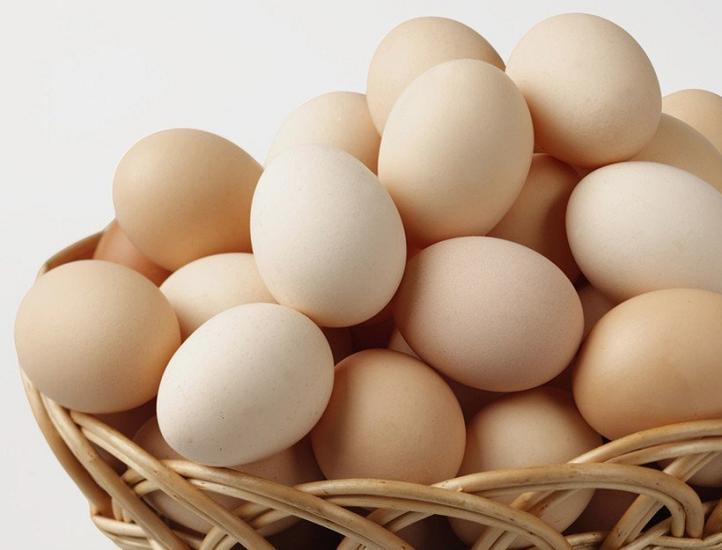 Ji Zi: Chinese Herb Guide
##Name Ji Zi (Hen's Egg) Sweet, neutral; lung, stomach and spleen channels. Actions Nourish yin and moisten dryness, tonify blood and prevent abortion
Something this article did not cover?
Ask us directly. We reply within two days, and good questions become public articles.
Ask a question →