
Heat-Clearing and toxicity-Removing Herbs
Niu Han Shui: Chinese Herb Guide
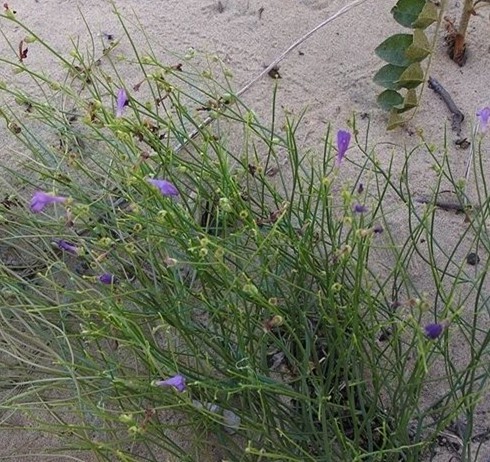
Name
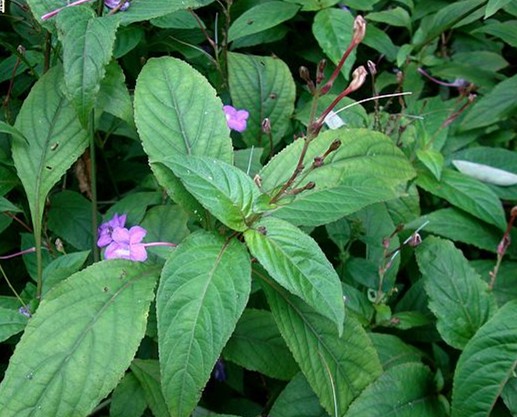
Niu Han Shui (Herba Dodartiae Orientalis)
Sources
The drug is the dried root and whole herb of Dodartia orientalis L. (Family Scrophulariaceae) , growing in fields,on hillsides,on waste lands or along roadsides, and distributed in Neimonggol, Gansu, Ningxia, Xinjiang and Sichuan of China.
Constituents
It contains mussaenoside, iridoid glycosides, etc.
The Effect of Niu Han Shui
Property
Bitter, cool.
Actions
The drug is used as antipyretic, anti inflammatory, anti rheumatic and antipruritic, for the treatment of senile chronic bronchitis, upper respiratory tract infection, infantile pneumonia, bronchitis, tonsillitis, urinary tract infection, acute mastitis, infantile cough due to lung-heat, acute conjunctivitis, acute Lymphadenitis, etc, externally for pruritus urticaria, eczema, etc.
Dosage and Administrations
Decoct 15~30 g. Proper dosage is for external application, decocted for washing.
Sources and further reading
We cite classical materia medica and modern reference works. This article is health education, not medical advice.
- Shennong Bencao Jing (The Divine Farmer's Materia Medica), Han dynasty.
- Bencao Gangmu (Compendium of Materia Medica), Li Shizhen, 1578.
- Chinese Pharmacopoeia, current edition — identity, quality and safety monographs.
- NCCIH and WHO reference material on traditional medicine safety.
Spotted an error or a better source? Tell us — corrections are logged on our editorial policy page.
Did this article help you?
Your answer shapes what gets rewritten next.
Keep readingRelated entries
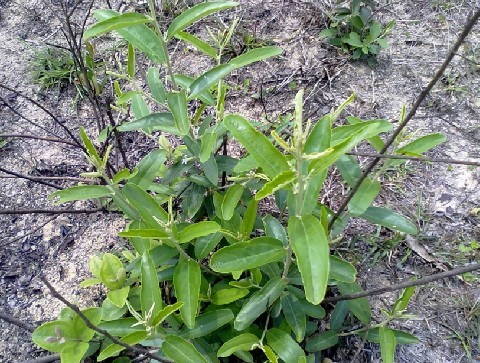 Chang Ye Shan Zhi (Herba Helicteris Elongatae)
Chang Ye Shan Zhi Ma: relieve exterior pattern, prevent malaria, check diarrhea.
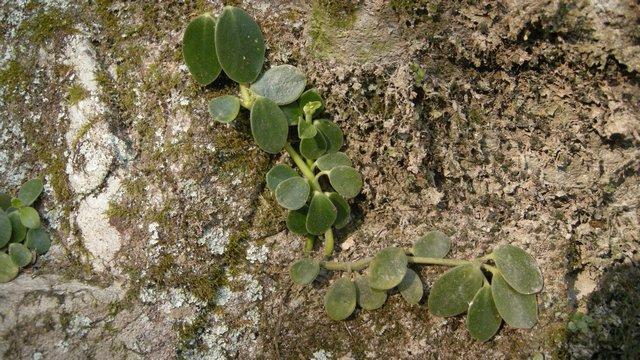 Shi Chan Cao: Chinese Herb Guide
Shi Chan Cao: it is used to remove heat, dissipate blood stasis, stop bleeding, resolve swelling, relieve pain and promote urination; for the treatment of.
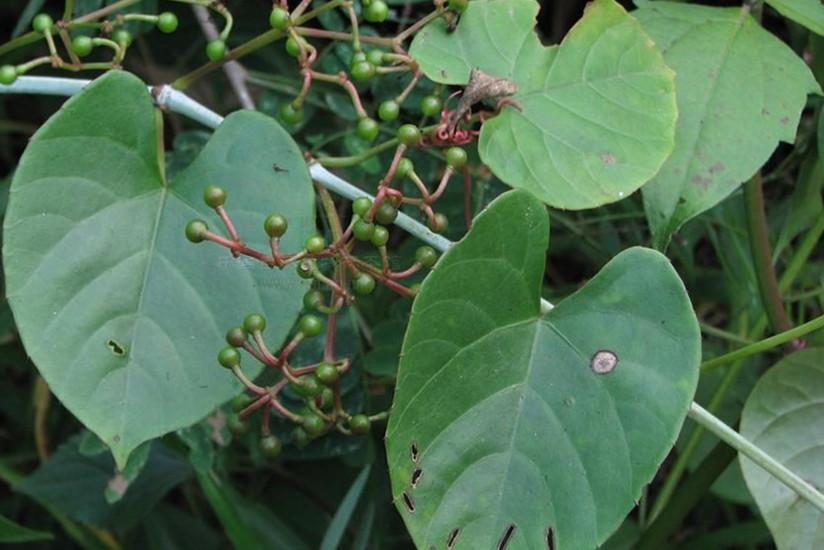 Bai Fen Teng (Radix Cissi repentis)
Bai Fen Teng: the root is used to remove heat, relieve swelling and pain; for the treatment of sore throat and furuncles.
 Bai Jie Gu: Chinese Herb Guide
Bai Jie Gu: it is used to remove toxic heat, remove blood stasis and stop bleeding; for the treatment of vomiting blood, bloody stool, traumatic bleeding, sprain, furuncle, sore throat.
Something this article did not cover?
Ask us directly. We reply within two days, and good questions become public articles.
Ask a question →