
Stasis-Resolving Hemostatics
Ophicalcitum: Chinese Herb Guide
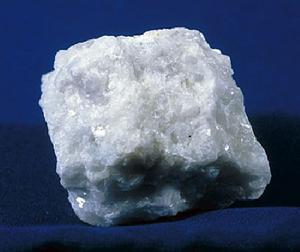
Name
Hua Rui Shi (Ophicalcitum)
The Effect of Ophicalcitum
Property
Sour, astringent, neutral; liver meridian entered.
Actions
Resolve stasis and stop bleeding.
Indications
Bleeding due to stasis.
Dosage and Administrations
Decoct 10~15 g, break it and decoct first; take 1~1.5 g powder once.
Cations
Use with cautions for pregnant women.
Reading these properties
The classification line quoted above is classical TCM shorthand, not a dosage or a medical instruction. Expanded, term by term:
- Flavour — Sour (酸 suān)
- A sour flavour is said to astringe and gather, so it is associated with holding fluids and qi in place rather than dispersing them.
- Flavour — Astringent (涩 sè)
- An astringent flavour is said to bind. It sits in the same family of uses as sour: stopping an abnormal loss of fluids.
- Nature — Neutral (平 píng)
- Neutral sits between warming and cooling. It is the most moderate classification and can be combined in either direction.
- Meridian — Liver (肝 gān)
- A meridian entry describes where a substance is said to act in TCM theory. Entering the Liver means Liver (肝 gān) refers to the liver, associated with the free movement of qi, the eyes, tendons and the menstrual cycle.
This decodes vocabulary only. It is not a claim that this substance treats any condition, and the entry has not been medically reviewed. See the medical disclaimer and our editorial policy.
Sources and further reading
We cite classical materia medica and modern reference works. This article is health education, not medical advice.
- Shennong Bencao Jing (The Divine Farmer's Materia Medica), Han dynasty.
- Bencao Gangmu (Compendium of Materia Medica), Li Shizhen, 1578.
- Chinese Pharmacopoeia, current edition — identity, quality and safety monographs.
- NCCIH and WHO reference material on traditional medicine safety.
Spotted an error or a better source? Tell us — corrections are logged on our editorial policy page.
Did this article help you?
Your answer shapes what gets rewritten next.
Keep readingRelated entries
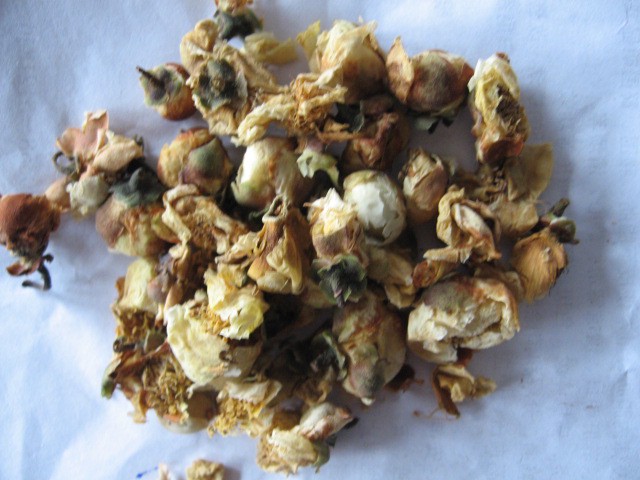 Bai Mao Hua: Chinese Herb Guide
Bai Mao Hua (Flos Imperatae) Sweet, warm. Actions Stop bleeding and relieve pain. When it is used Hematemesis, hemorrhinia and incised wound
Bai Mao Hua: Chinese Herb Guide
Bai Mao Hua (Flos Imperatae) Sweet, warm. Actions Stop bleeding and relieve pain. When it is used Hematemesis, hemorrhinia and incised wound
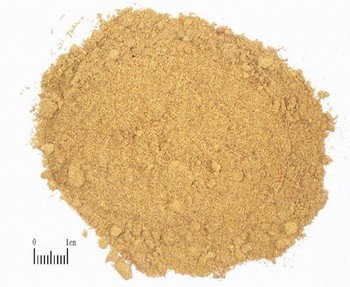 Pollen Typhae: Chinese Herb Guide
It is indicated for various bleeding due to heat or cold, with or without stasis, especially to excess syndrome with stasis.
Pollen Typhae: Chinese Herb Guide
It is indicated for various bleeding due to heat or cold, with or without stasis, especially to excess syndrome with stasis.
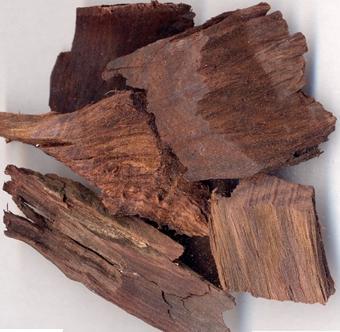 Dalbergia Wood (Lignum Dalbergiae Odoriferae)
Name Jiang Xiang (Lignun Dalbergiae Odoriferae) Nature and action Nature Acrid, warm; liver and spleen channels.
Jiang Xiang (Dalbergia Wood)
Jiang Xiang (Dalbergia Wood): resolve stasis and stop bleeding, regulate qi and alleviate pain.
Dalbergia Wood (Lignum Dalbergiae Odoriferae)
Name Jiang Xiang (Lignun Dalbergiae Odoriferae) Nature and action Nature Acrid, warm; liver and spleen channels.
Jiang Xiang (Dalbergia Wood)
Jiang Xiang (Dalbergia Wood): resolve stasis and stop bleeding, regulate qi and alleviate pain.
Something this article did not cover?
Ask us directly. We reply within two days, and good questions become public articles.
Ask a question →