
Pu Huang (蒲黄)
Name Pu Huang (Pollen Typhae) — Shennong Bencao Jing Source and quality Plant The dry pollen of the hydrophily plant Typha angustifolia, T.
Naming
Pu Huang (Pollen Typhae)——Shen Nong Ben Cao Jing (Shen Nong’s Herbal)
The Processing of 蒲黄
Origin
The dry pollen of the hydrophily herbaceous plant Typha angustifolia, T. orientalis Presl or sibling plant of family Bulrush.
Location
Zhejiang, Jiangsu, Anhui provinces in China.
Harvest
Collected in summer.
The actual smell and taste
Light smell and taste.
Best quality
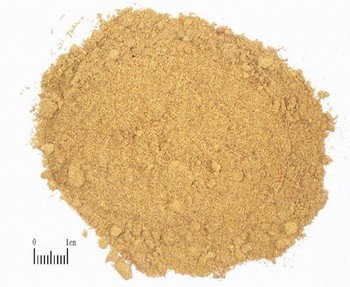
Dry, bright yellow color, light, fine and velvet, cleaned and purified.
Processing
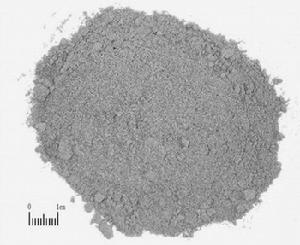
Pick the yellow male anthotaxy on the cattail's spile, dried in the sun andground and screened; unprocessed or stir-baked.
The Effect of 蒲黄
Property
Sweet, neutral; liver and heart meridians entered.
Actions
Stop bleeding, resolve stasis, induce diuresis.
Indications
A. Bleeding
This herb is sweet in flavor and neutral in nature. It is good at stopping bleeding astringently with the actions of promoting blood circulation and resolving blood stasis. The characteristic of this herb is similar to that of San Qi. Both can stop bleeding without retaining blood stasis. It is indicated for various bleeding due to heat or cold, with or without stasis, especially to excess syndrome with stasis. For traumatic hemorrhage, it is applied on the wound externally. For hematemesis, epistaxis, hemoptysis, hematuria, metrorrhagia and metrostaxis and so on, it is infused in the water alone. It is also combined with other hemostatics.
B. Pain due to blood stasis
This herb is pungent in flavor and can promote blood circulation and induce menstruation, remove stasis and alleviate pain. It is indicated for traumatic injuries, dysmenorrhea, postpartum pain, pectoral and abdominal pain due to blood stasis, especially indicated for gynecological diseases. For traumatic injuries, it is used singly or taken with warm wine. For pectoral and abdominal pain, postpartum pain and dysmenorrhea, etc. due to blood stasis, it is reinforced by the combination with other stasis-resolving and pain-alleviating herbs. For instance it is combined with Wu Ling Zhi in Shi Xiao San from Tai Ping Hui Min He Ji Ju Fang.
C. Blood stranguria and hematuria
This herb can not only stop bleeding but also induce diuresis. So it is indicated for stranguria and hematuria. It is usually combined with herbs of clearing heat and cooling blood, inducing diuresis and relieving stranguria. For instance it is combined with Sheng Di and Dong Kui Zi in Pu Huang San from Zheng Zhi Zhun Sheng.
Dosage and Administrations
Decoct 3~10 g wrapped. Proper dose for external application in powder or mixed. Stir-bake it for stopping bleeding; use the unprocessed for removing stasis and promoting diuresis.
Cautions
Use with cautions for pregnant women.
Did this article help you?
Your answer directly shapes how this article gets rewritten. Several sections on this site exist because readers asked for them.
Keep readingRelated for you
Pu Huang: Chinese Herb Guide
/p h3 Best quality /h3 p Dry, bright yellow color, light, fine and velvet, cleaned and purified.
 Qian Cao (India Madder Root)
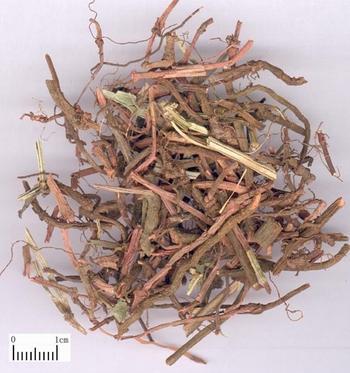
/p h3 Best quality /h3 p Long and thick sticks, reddish brown peel with yellowish red cross section.
Pollen Typhae: Chinese Herb Guide
/p h3 Best quality /h3 p Dry, bright yellow color, light, fine and velvet, cleaned and purified.
Qian Cao (India Madder Root)
/p h3 Best quality /h3 p Long and thick sticks, reddish brown peel with yellowish red cross section.
Pollen Typhae: Chinese Herb Guide
/p h3 Best quality /h3 p Dry, bright yellow color, light, fine and velvet, cleaned and purified.
Something this article didn't cover?
Ask us directly — we reply within 2 days. Great questions become public articles.
Ask a question →