
Wind-Damp-Dispelling and Pain-Alleviating Herbs
Wei Ling Xian (Clematis Root)
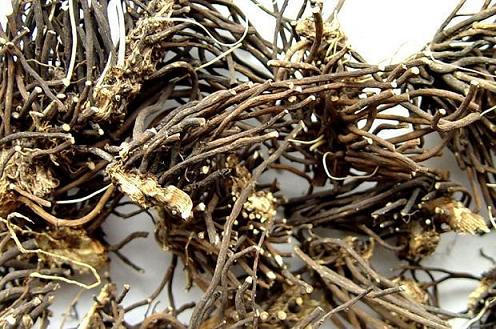
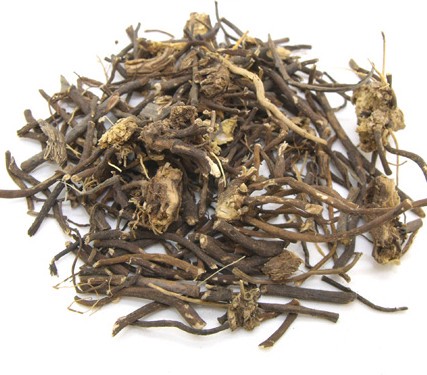
Naming
Wei Ling Xian (Radix Clematidis)——Xin Xiu Ben Cao (Newly Revised Materia Medica)
The Processing of Radix Clematidis
Origin
The roots and rhizomes of Clematis chinensis Osbeck, C. hexapetala Pall. or C. manshuricaRupr. of family Ranunculaceae.
Location
The first one is produced in the provinces of Jiangsu, Anhui and Zhejiang of China, and the last two are produced in northeast area of China.
Harvest
Collected in autumn.
The actual smell and taste
Clematis chinensis Osbeck is light in smell and tasteless; C. hexapetala Pall is salty; and C. manshurica Rupr. is pungent and spicy.
Best quality
Even root, black peels, white woody and solid nature.
Processing
Dried in sunlight, cut into segments, and unprocessed.
The Effect of Radix Clematidis
Property
Pungent, salty, warm; liver and spleen meridians entered.
Actions
Dispel wind-damp, unblock collaterals and alleviate pain.
Indications
Arthralgia syndrome due to wind-damp
Being pungent and warm with the actions of dispersing and smoothing, it can both dispel wind-damp and unblock collaterals to alleviate pain. It is indicated for arthralgia syndrome due to wind-damp, numbness of the limbs, spasm of the tendons and vessels, and difficulty of flexing and extending wherever the diseased region is, especially in treating spasm and dragging pain predominantly due to pathogenic wind. It is often combined with other wind-damp-dispelling herbs such as Du Huo, Qiang Huo and Mu Gua, etc.
In addition, for mild condition of fish bones or other bones stuck in the throat, it can be decocted singly or with brown sugar and vinegar, and then swallowed slowly after filtering the decoction.
Dosage and Administrations
Decoct 6~9 g.
Sources and further reading
We cite classical materia medica and modern reference works. This article is health education, not medical advice.
- Shennong Bencao Jing (The Divine Farmer's Materia Medica), Han dynasty.
- Bencao Gangmu (Compendium of Materia Medica), Li Shizhen, 1578.
- Chinese Pharmacopoeia, current edition — identity, quality and safety monographs.
- NCCIH and WHO reference material on traditional medicine safety.
Spotted an error or a better source? Tell us — corrections are logged on our editorial policy page.
Did this article help you?
Your answer shapes what gets rewritten next.
Keep readingRelated entries
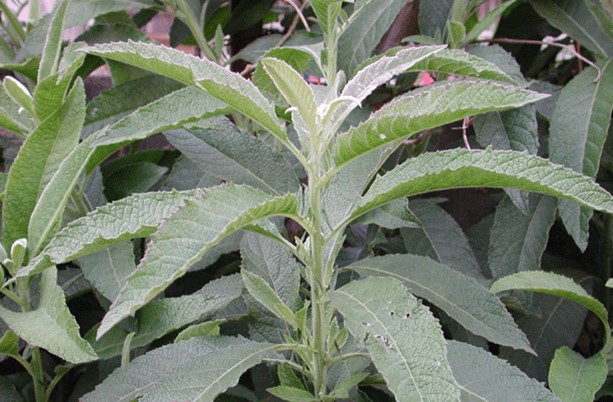 Blumea Balsamifera (Balsamiferou Blumea Herb)
Ai Na Xiang: expel wind and eliminate dampness, warm the stomach and spleen, arrest diarrhea, activate blood and remove toxicity.
Jia Ju Gen (Root of sarmentose pepper)
Jia Ju Gen (Root of sarmentose pepper): expel wind and eliminate dampness, resolve swelling, alleviate pain, remove toxicity, prevent malaria.
Blumea Balsamifera (Balsamiferou Blumea Herb)
Ai Na Xiang: expel wind and eliminate dampness, warm the stomach and spleen, arrest diarrhea, activate blood and remove toxicity.
Jia Ju Gen (Root of sarmentose pepper)
Jia Ju Gen (Root of sarmentose pepper): expel wind and eliminate dampness, resolve swelling, alleviate pain, remove toxicity, prevent malaria.
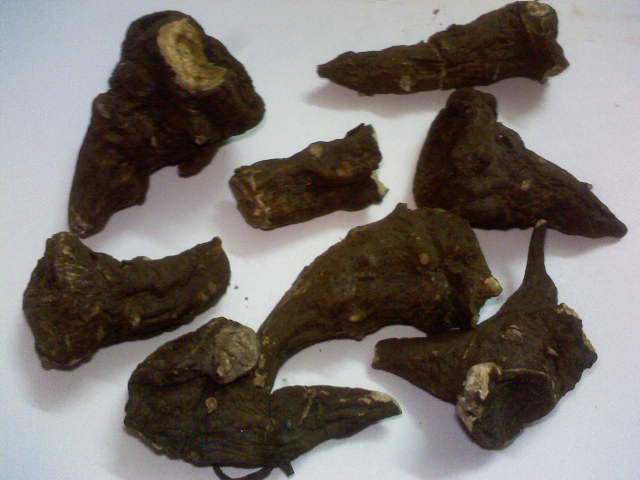 Chuan Wu: Chinese Herb Guide
Name Chuan Wu (Radix Aconiti Preparata) — Shennong Bencao Jing Source and quality Plant The tuberous root of Aconitum carmichaeli Debx. of family Ranunculaceae.
Chuan Wu (Common Monkshood Mother Root)
Chuan Wu (Common Monkshood Mother Root): dispel wind-damp, warm meridians and alleviate pain.
Chuan Wu: Chinese Herb Guide
Name Chuan Wu (Radix Aconiti Preparata) — Shennong Bencao Jing Source and quality Plant The tuberous root of Aconitum carmichaeli Debx. of family Ranunculaceae.
Chuan Wu (Common Monkshood Mother Root)
Chuan Wu (Common Monkshood Mother Root): dispel wind-damp, warm meridians and alleviate pain.
Something this article did not cover?
Ask us directly. We reply within two days, and good questions become public articles.
Ask a question →