
Yin Tonics
Mai Dong: Chinese Herb Guide
Name
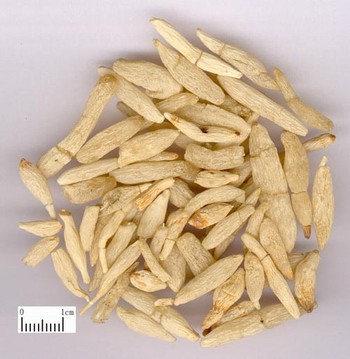
Mai Dong (Radix Ophiopogonis), from Shen Nong Ben Cao Jing (Shen Nong's Herbal)
Source and quality
The root of the perennial herbaceous plant Ophiopogon japonicus (Thunb.) Ker-Gawl. of the family Liliaceae. It is mainly cultivated in Sichuan, Zhejiang and Jiangsu provinces, and is plucked in summer and autumn. It is repeatedly sun-dried and piled up until dry, and the fine hairy rootlets are cleared away.
It has a slight fragrance and a slightly sweet, astringent taste. The best grade is plump and soft, with a light-yellow outer surface.
It is used unprocessed.
Nature and action
Sweet, slightly bitter and slightly cold. It enters the stomach, lung and heart meridians.
It nourishes the yin of the stomach, lung and heart, clears heat from those three organs, calms the heart and induces tranquilization.
Indications
Stomach yin deficiency syndromes
It is indicated for dryness of the mouth with thirst, pain in the stomach and abdomen, hunger without appetite, retching, dry stool or constipation and other symptoms of stomach yin deficiency with heat, because it nourishes stomach yin, clears stomach heat, generates fluids and moistens the intestines.
- For dryness of the mouth and thirst due to stomach yin injured by heat, or slight pain in the stomach and abdomen with hunger but no appetite due to stomach yin deficiency with heat, it is combined with Sheng Di Huang, Yu Zhu and Sha Shen in Yi Wei Tang from Wen Bing Tiao Bian.
- For consumptive thirst, it is combined with herbs that generate fluids and relieve thirst, such as Wu Mei.
- For vomiting caused by ascending qi due to stomach yin deficiency, it is combined with herbs that harmonize the stomach and relieve vomiting, such as Ban Xia in Maimendong Tang from Jin Kui Yao Lue.
- For dryness of the intestines and constipation due to fluids injured by a heat pathogen, it is combined with herbs that generate fluids and moisten the intestines, such as Sheng Di Huang and Xuan Shen in Zengye Tang from Wen Bing Tiao Bian.
Lung yin deficiency syndromes
It is indicated for dryness of the nose and throat, dry cough with scanty sputum, hemoptysis, sore throat and hoarseness due to lung yin deficiency with dryness-heat in the lung, because it nourishes lung yin, moistens dryness in the lung, clears lung heat and relieves sore throat.
- For dryness of the nose and throat, dry cough with scanty sputum or blood in the sputum, sore throat and hoarseness due to the lung injured by a dryness pathogen, it is commonly combined with herbs that moisten the lung, clear heat and relieve symptoms: E Jiao, Shi Gao, Sang Ye and Pi Pa Ye in Qingzao Jiufei Tang from Yi Men Fa Lu.
- For swelling and pain in the throat due to yin deficiency with effulgent fire, it is combined with herbs that nourish yin, clear fire and relieve sore throat, such as Xuan Shen, Jie Geng and Gan Cao in Xuan Mai Gan Jie Tang.
Heart yin deficiency syndromes
It is indicated for restlessness, insomnia, dream-disturbed sleep, poor memory and palpitation due to heart yin deficiency with heat, because it nourishes heart yin, clears heart heat and calms the spirit. It should be combined with herbs that nourish yin and calm the spirit.
- Sheng Di Huang, Suan Zao Ren and Bai Zi Ren in Tianwang Buxin Dan from She Sheng Mi Pou.
- For restlessness and insomnia due to injury of the heart and yin by heat, it is combined with herbs that clear the heart, cool the blood and nourish yin: Huang Lian, Sheng Di Huang and Xuan Shen in Qingying Tang from Wen Bing Tiao Bian.
Dosage and administration
Decoct 10~15 g.
Sources and further reading
We cite classical materia medica and modern reference works. This article is health education, not medical advice.
- Shennong Bencao Jing (The Divine Farmer's Materia Medica), Han dynasty.
- Bencao Gangmu (Compendium of Materia Medica), Li Shizhen, 1578.
- Chinese Pharmacopoeia, current edition — identity, quality and safety monographs.
- NCCIH and WHO reference material on traditional medicine safety.
Spotted an error or a better source? Tell us — corrections are logged on our editorial policy page.
Did this article help you?
Your answer shapes what gets rewritten next.
Keep readingRelated entries
Dwarf Lilyturf Tuber (Radix Ophiopogonis)
Mai Dong: nourish yin of stomach, lung and heart, clear heat of stomach, lung and heart, calm heart and induce tranquilization.
 Ji Zi: Chinese Herb Guide
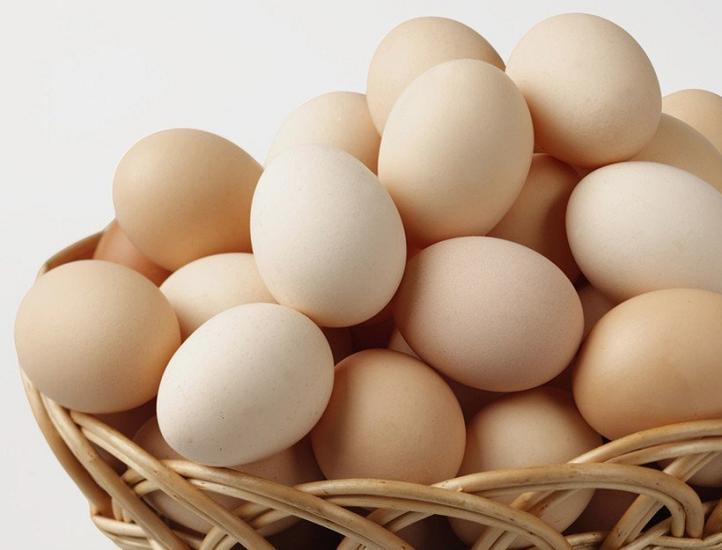
##Name Ji Zi (Hen's Egg) Sweet, neutral; lung, stomach and spleen channels. Actions Nourish yin and moisten dryness, tonify blood and prevent abortion
 Feng Huang Yi: Chinese Herb Guide
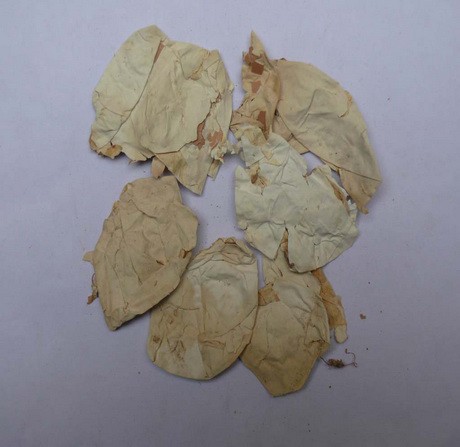
Feng Huang Yi (Membrane of Hen Egg) Sweet, mild, neutral; spleen, stomach and lung channels. Actions Nourish yin to clear away the lung heat
 Tian Men Dong (Cochinchnese Asparagus Root)
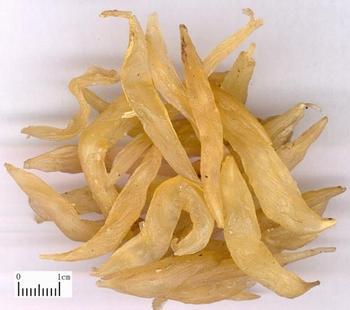
Tian Dong: nourish yin of lung and stomach, clear heat of lung and stomach, nourish kidney to clear effulgent fire.
Something this article did not cover?
Ask us directly. We reply within two days, and good questions become public articles.
Ask a question →