
Heat-Clearing and Fire-Purging Herbs
Tian Hua Fen (Trichosanthes Root)
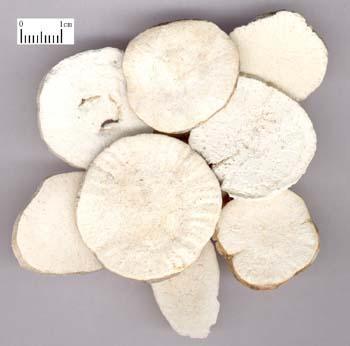
Name
Tian Hua Fen (trichosanthes root, Radix Trichosanthis; also Gua Lou Gen), recorded in the Shennong Bencao Jing.
Source and quality
Plant
The tuber of perennial Trichosanthes kirilowii Maxim.
Where it is grown
Mainly Henan, Shandong and Jiangsu.
Harvest
Autumn and winter.
Smell and taste
Little smell; slightly bitter.
Better grade
Solid, white or yellowish cut face, rich in powder.
Processing
Used raw, or fresh.
Nature and action
Sweet, slightly bitter, slightly cold; enters lung and stomach. Clears heat and drains fire; generates fluid and eases thirst; moistens dryness and transforms phlegm.
When it is used
Qi-level heat and exterior heat with thirst
It generates fluid more than it dumps qi-level fire. For thirst from excess heat consuming fluid: with Shi Gao and Zhi Mu (Gua Lou Gen Tang). For thirst in an exterior-heat pattern: with wind-heat-releasing herbs.
Stomach-heat thirst and wasting-thirst
It can be used alone for extreme thirst in the old sources, or with Mai Dong, Lu Gen and Bai Mao Gen. For wasting-thirst with qi and yin damaged: with Huang Qi, Shan Yao and Wu Wei Zi (Yu Ye Tang).
Dry lung-heat cough
Dry cough with scanty sticky or blood-streaked sputum: with Sha Shen and Mai Dong (Sha Shen Mai Dong Tang).
Sores and trauma
A milder heat-toxin and pus-expelling action, used alone or with Da Huang and Zi Hua Di Ding, internally or on the skin. To expel pus it is better with Huang Qi, Dang Gui and (classically) Chuan Shan Jia. For traumatic swelling it is paired with Tao Ren and Hong Hua.
Dose
Decoction 10–15 g. External use as appropriate.
Cautions
Not for pregnancy. Trichosanthin-containing root has a traditional and pharmacological abortifacient action. This page is a TCM monograph, not a reason to take the herb for any gynecological purpose.
Sources and further reading
We cite classical materia medica and modern reference works. This article is health education, not medical advice.
- Shennong Bencao Jing (The Divine Farmer's Materia Medica), Han dynasty.
- Bencao Gangmu (Compendium of Materia Medica), Li Shizhen, 1578.
- Chinese Pharmacopoeia, current edition — identity, quality and safety monographs.
- NCCIH and WHO reference material on traditional medicine safety.
Spotted an error or a better source? Tell us — corrections are logged on our editorial policy page.
Did this article help you?
Your answer shapes what gets rewritten next.
Keep readingRelated entries
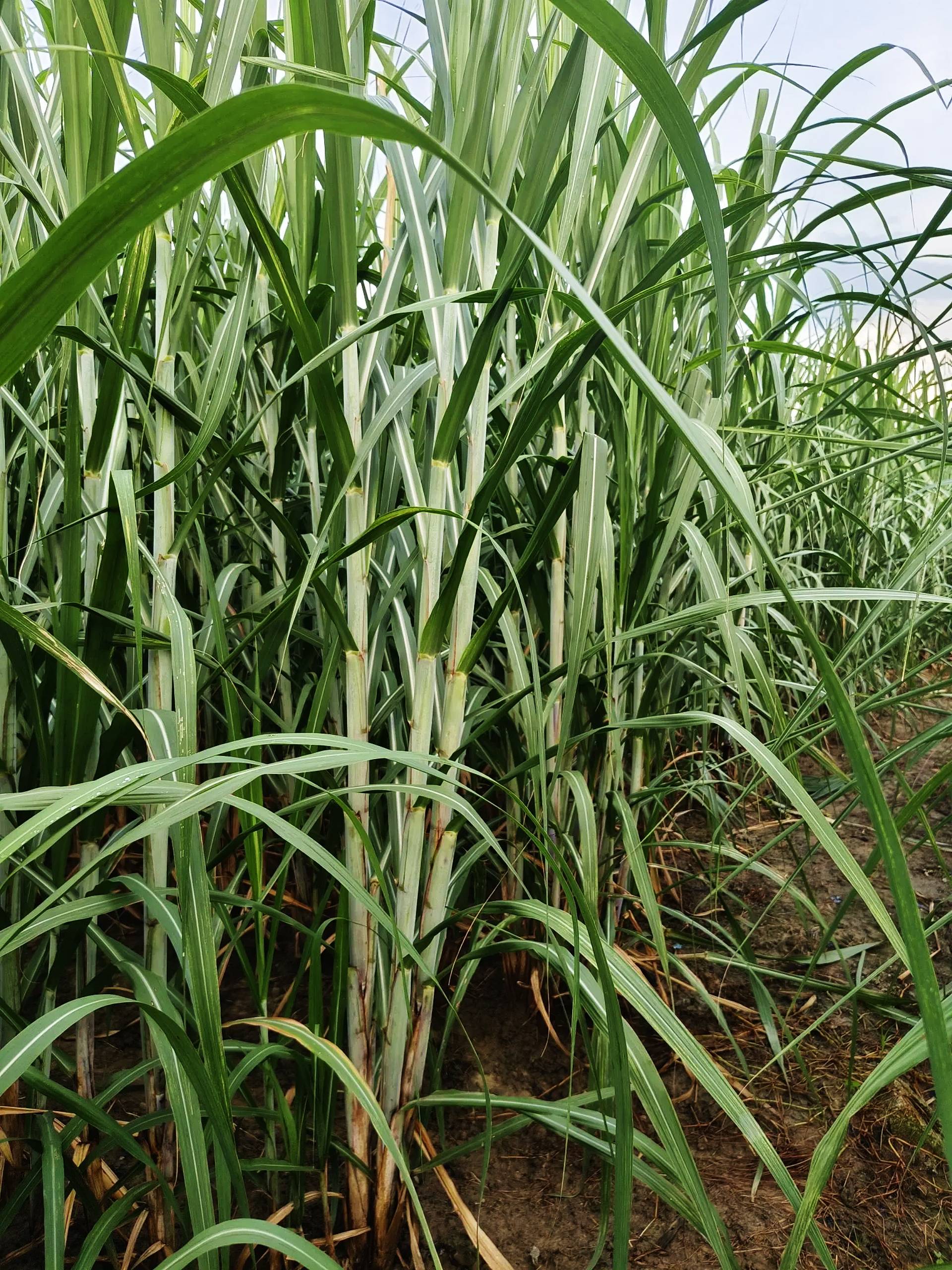 Sweetcane Bud: Chinese Herb Guide
Zhe Ji (Sweetcane Bud) Actions Clear heat and promote the secretion of body fluid. When it is used Diabetes
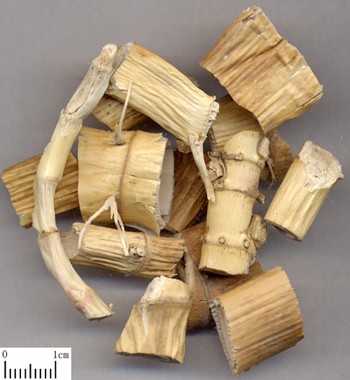 Lu Gen (Reed Rhizome): Thirst, Stomach Heat and Lung Heat
Lu Gen (reed rhizome, Rhizoma Phragmitis ), recorded in the Mingyi Bielu . The rhizome of Phragmites australis (Cav.) Trin. ex Steud
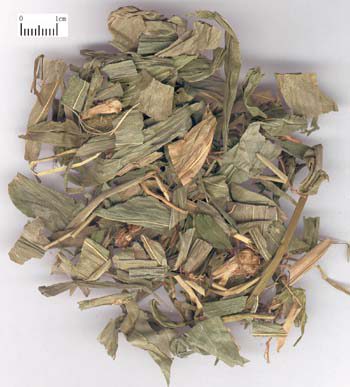 Dan Zhu Ye (Lophatherum): Irritability, Thirst and Heat Strangury
Dan Zhu Ye (lophatherum, Herba Lophatheri ; also Zhu Ye in some lists), recorded in the Bencao Gangmu
 Zhi Zi (Cape Jasmine Fruit)
Purge fire and eliminate irritability, cool blood and stop bleeding, clear heat and relieve toxicity, clear an.
Something this article did not cover?
Ask us directly. We reply within two days, and good questions become public articles.
Ask a question →