
Ren Dong Teng
NameRen Dong Teng (Honeysuckle Stem)The Effect of Ren Dong Teng PropertySweet, cold; heart and lung meridians entered.ActionsClear heat, romove toxicity and dredge meridians.IndicationsSores and boils, infectious hepatitis, febrile disease, dysentery due to heat-toxin, arthralgia and myalgia.Dosage
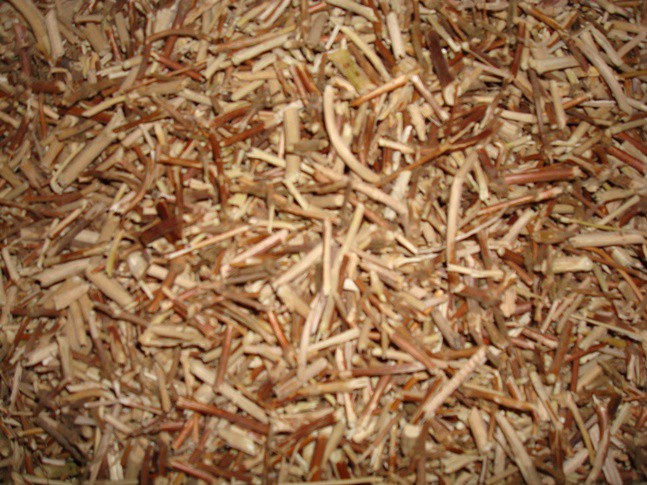
Name
Ren Dong Teng (Honeysuckle Stem)
The Effect of Ren Dong Teng
Property
Sweet, cold; heart and lung meridians entered.
Actions
Clear heat, romove toxicity and dredge meridians.
Indications
Sores and boils, infectious hepatitis, febrile disease, dysentery due to heat-toxin, arthralgia and myalgia.
Dosage and Administrations
Decoct 10~30 g, or made into pill and powder or soaked in wine. Proper dosage is for external application, pounded into powder for applying, or decocted for washing, or made ointment, or pounded for applying with fresh product.
Cations
It is contraindicated for frequent diarrhea and deficiency-cold in spleen and stomach.
Did this article help you?
Your answer directly shapes how this article gets rewritten. Several sections on this site exist because readers asked for them.
Keep readingRelated for you
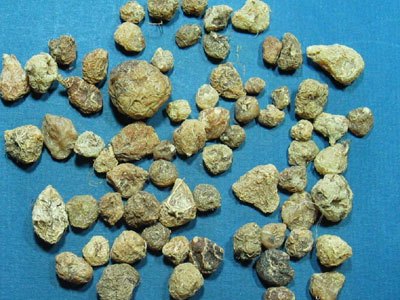 Shan Ci Gu
NameShan Ci Gu (Indian Iphigenia Bulb)The Effect of Shan Ci Gu PropertySweet, slightly pungent, cold, slightly toxic; liver, stomach and lung meridians entered.ActionsResolve swelling and dissipate nodulation, resolve phlegm and remove toxicity.IndicationsSores and boils, snake and insect bites, sor
Shan Ci Gu
NameShan Ci Gu (Indian Iphigenia Bulb)The Effect of Shan Ci Gu PropertySweet, slightly pungent, cold, slightly toxic; liver, stomach and lung meridians entered.ActionsResolve swelling and dissipate nodulation, resolve phlegm and remove toxicity.IndicationsSores and boils, snake and insect bites, sor
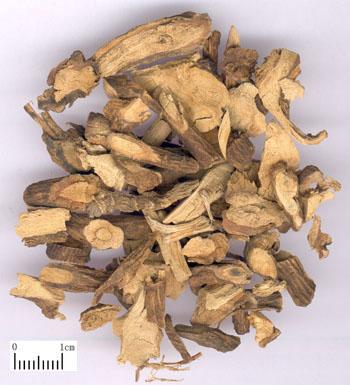 Shan Dou Gen
NamingShan Dou Gen (Radix Sophorae Tonkinensis)——Kai Bao Ben Cao (Materia Medica in Kai-Bao Reign)The Processing of Shan Dou GenOriginThe root and rhizoma of Sophora tonkinensis Gapnep. of family Leguminosae.LocationMainly in Guangxi, Guangdong, Jiangxi, Guizhou provinces of China.HarvestCollected a
Shan Dou Gen
NamingShan Dou Gen (Radix Sophorae Tonkinensis)——Kai Bao Ben Cao (Materia Medica in Kai-Bao Reign)The Processing of Shan Dou GenOriginThe root and rhizoma of Sophora tonkinensis Gapnep. of family Leguminosae.LocationMainly in Guangxi, Guangdong, Jiangxi, Guizhou provinces of China.HarvestCollected a
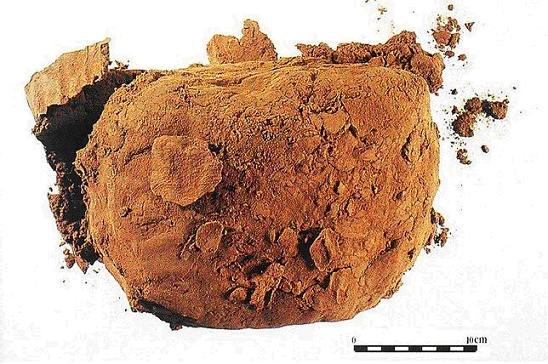 Ma Bo
NamingMa Bo (Lasiosphaera seu Calvatia)——Ming Yi Bie Lu (Miscellaneous Records of Famous physicians)The Processing of Ma BoOriginThe sporocarp of Lasiosphaera fenzlii Reich., Calvatia gigantean (Batsch ex Pers.) Lloyd. or Calvatia lilacina (Mont. et Berk.) Lloyd. of family Lycoperdaceae.LocationThe
Ma Bo
NamingMa Bo (Lasiosphaera seu Calvatia)——Ming Yi Bie Lu (Miscellaneous Records of Famous physicians)The Processing of Ma BoOriginThe sporocarp of Lasiosphaera fenzlii Reich., Calvatia gigantean (Batsch ex Pers.) Lloyd. or Calvatia lilacina (Mont. et Berk.) Lloyd. of family Lycoperdaceae.LocationThe
Something this article didn't cover?
Ask us directly — we reply within 2 days. Great questions become public articles.
Ask a question →