
Semen Raphani
NamingLai Fu Zi (Semen Raphani)——Ri Hua Zi Ben Cao (Rihuazi Materia Medica)The Processing of Semen RaphaniOriginThe mature seeds of Raphanus sativus L. of family Cruciferae.LocationAll parts in China.HarvestCollected in summer when the fruits are ripe.The true smell and tasteNo smell, sweet, slightl
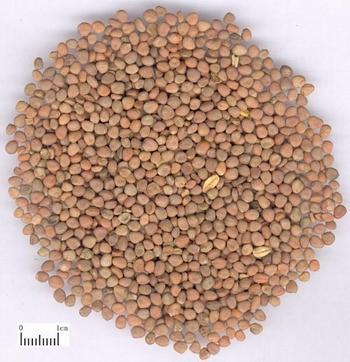
Naming
Lai Fu Zi (Semen Raphani)——Ri Hua Zi Ben Cao (Rihuazi Materia Medica)
The Processing of Semen Raphani
Origin
The mature seeds of Raphanus sativus L. of family Cruciferae.
Location
All parts in China.
Harvest
Collected in summer when the fruits are ripe.
The true smell and taste
No smell, sweet, slightly pungent.
Best quality
Big without impurity, red.
Processing
Dry in the sun and then collect the seeds, eliminate impurity, use the raw or stir-baked, broken when used.
The Effect of Semen Raphani
Property
Pungent, sweet and bland; lung, spleen and stomach meridians entered.
Actions
Promote digestion and relieve distension, direct qi downward and resolve phlegm.
Indications
A. Food stagnation syndrome
It is pungent in flavor and has the actions of promoting digestion and dissipating food stagnation, moving qi and relieving distension. For gastric and abdominal distension or pain caused by food retention and qi stagnation, it is usually combined with qi-moving and digestion-promoting herbs. For instance it is combined with Shan Zha, Shen Qu and Chen Pi in Bao He Wan from Dan Xi Xin Fa. For food stagnation complicated with spleen deficiency, it is combined with spleen-invigorating and qi-tonifying herbs for both elimination and reinforcement. For instance it is combined with Bai Zhu in Da An Wan from Dan Xi Xin Fa.
B. Cough and dyspnea with profuse sputum, oppression in chest and poor appetite
It can not only promote digestion and dissipate food stagnation but also direct qi downward and resolve phlegm. For cough and dyspnea with profuse sputum, oppression in chest with food stagnation, it is usually combined with antitussive and antasthmatic herbs. For instance it is combined with Bai Jie Zi and Su Zi in San Zi Yang Qin Tang from Han Shi Yi Tong (Han's Experience Collection).
Dosage and Administrations
Decoct 6~10 g. The stir-baked one is a bit on the side of promoting digestion, directing qi downward and resolving phlegm.
Cautions
It is contraindicated with Ren Shen. It should be used with cautions for qi deficiency without food stagnation and /or phlegm accumulation.
Did this article help you?
Your answer directly shapes how this article gets rewritten. Several sections on this site exist because readers asked for them.
Keep readingRelated for you
莱菔子
NamingLai Fu Zi (Semen Raphani)——Ri Hua Zi Ben Cao (Rihuazi Materia Medica)The Processing of 莱菔子OriginThe mature seeds of Raphanus sativus L. of family Cruciferae.LocationAll parts in China.HarvestCollected in summer when the fruits are ripe.The true smell and tasteNo smell, sweet, slightly pungent.
Lai Fu Zi
NamingLai Fu Zi (Semen Raphani)——Ri Hua Zi Ben Cao (Rihuazi Materia Medica)The Processing of Lai Fu ZiOriginThe mature seeds of Raphanus sativus L. of family Cruciferae.LocationAll parts in China.HarvestCollected in summer when the fruits are ripe.The true smell and tasteNo smell, sweet, slightly pu
 Lai Fu Ye
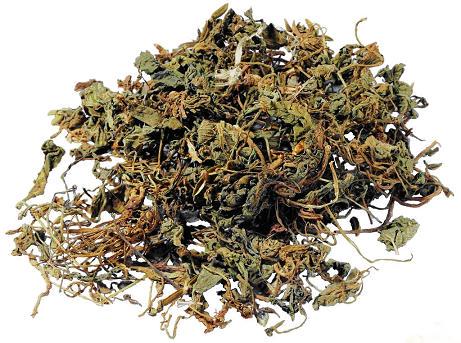
NameLai Fu Ye (Radish Leaf)The Effect of Lai Fu YePropertyBitter, pungent, neutral; spleen, stomach and lung meridians entered.ActionsPromote digestion and regulate the flow of qi, resolve phlegm and stop cough, dissipate stasis and resolve swelling, clear lung-heat and relieve sore throat.Indicatio
Lai Fu Ye
NameLai Fu Ye (Radish Leaf)The Effect of Lai Fu YePropertyBitter, pungent, neutral; spleen, stomach and lung meridians entered.ActionsPromote digestion and regulate the flow of qi, resolve phlegm and stop cough, dissipate stasis and resolve swelling, clear lung-heat and relieve sore throat.Indicatio
Something this article didn't cover?
Ask us directly — we reply within 2 days. Great questions become public articles.
Ask a question →