
Blood-Activating and Mass-Eliminating Herbs
Shui Zhi
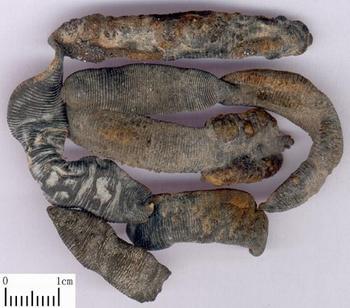
Naming
Shui Zhi (Hirudo)——Shen Nong Ben Cao Jing (Shen Nong’s Herbal)
The Processing of Shui Zhi
Origin
The dry body of Whitemania Pigra Whitman or Hirudo nipponica Whitman and W. acranulata Whitman of family Hirudinidae.
Location
Everywhere in China.
Harvest
Collected in summer and autumn.
The actual smell and taste
Lightly stinky smell.
Best quality
Small, regular, black and brown, purified.
Processing
Unprocessed or blanched by Hua Shi powder.
The Effect of Shui Zhi
Property
Salty, bitter, neutral, lightly toxic; liver meridian entered.
Actions
Break blood and dispel stasis.
Indications
Amenorrhea due to stasis, mass, traumatic injuries.
Being salty this herb enters blood system and being bitter it can purge and descend. It enters blood system of liver meridian and can break blood stasis and dispel blood stasis, attack mass, resolve stagnation and accumulation, induce menstruation and alleviate pain, It is indicated for mass, amenorrhea due to stasis and traumatic injuries. It is mutually reinforced by the combination with Meng Chong. For amenorrhea and mass, it is usually combined with blood-breaking and stasis-eliminating herbs. For instance it is combined with Tao Ren and Meng Chong in Di Dang Tang from Shang Han Lun. For weak body association, it is combined with qi and blood tonics such as Ren Shen and Dang Gui. For traumatic injuries, it is combined with blood-activating and trauma-curing herbs such as Su Mu and Zi Ran Tong.
Dosage and Administrations
Decoct l.5~3 g. Grind into powder and take 0.3~0.5 g. More appropriate in pill and powder or take powder because the hirudin it contains will be easily broken when heating or exposure to dilute hydrochloric acid.
Cautions
Prohibited for pregnant women and patients with excessive menstruation.
Sources and further reading
We cite classical materia medica and modern reference works. This article is health education, not medical advice.
- Shennong Bencao Jing (The Divine Farmer's Materia Medica), Han dynasty.
- Bencao Gangmu (Compendium of Materia Medica), Li Shizhen, 1578.
- Chinese Pharmacopoeia, current edition — identity, quality and safety monographs.
- NCCIH and WHO reference material on traditional medicine safety.
Spotted an error or a better source? Tell us — corrections are logged on our editorial policy page.
Did this article help you?
Your answer shapes what gets rewritten next.
Keep readingRelated entries
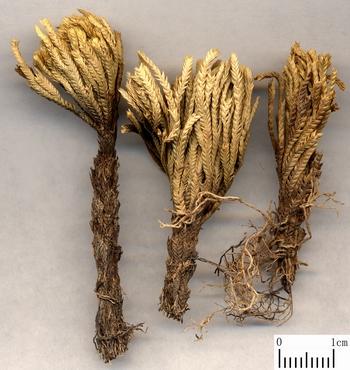 Juan Bai (Herba Selaginellae)
Tamariskoid Spikemoss Herb: activate blood and stimulate the menstrual flow. dry-fried product can dissipate blood stasis and stop bleeding.
Juan Bai: Chinese Herb Guide
Juan Bai: activate blood and stimulate the menstrual flow. dry-fried product can dissipate blood stasis and stop bleeding.
Shui Zhi: Chinese Herb Guide
Shui Zhi (Hirudo). The dry body of Whitemania Pigra Whitman or Hirudo nipponica Whitman and W
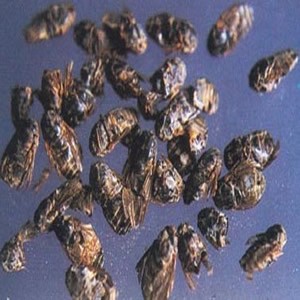 Gadfly (Tabanus) in TCM
Meng Chong: break stagnation, dissipate blood stasis and stimulate the menstrual flow.
Something this article did not cover?
Ask us directly. We reply within two days, and good questions become public articles.
Ask a question →