
Blood-Activating and Trauma-Curing Herbs
Sappanwood (Lignum Sappan)
Name
Su Mu (Lignum Sappan), from Xin Xiu Ben Cao (Newly Revised Materia Medica)
Source and quality
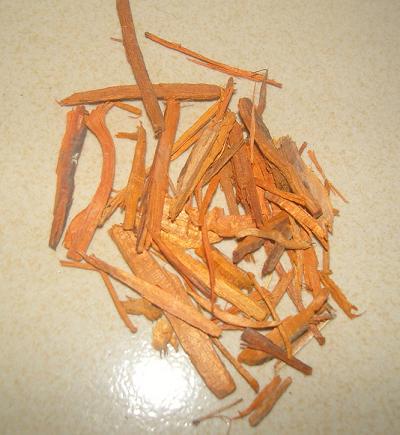
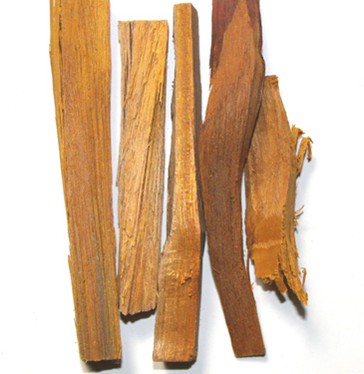
The dry heartwood of the tree or shrub Caesalpinia sappan L. of the family Pulse. It is produced in the Guangxi, Guangdong and Taiwan provinces of China, and is collected in autumn.
It has a slight odor and is slightly astringent. The best grade is large and firm, red and yellow.
It is planed into thin chips, split into small pieces, or smashed into a coarse powder.
Nature and action
Sweet, salty, pungent and neutral. It enters the heart and liver meridians.
It activates blood and treats trauma, disperses stasis and dredges the meridians.
Indications
Traumatic injury, bone fracture and soft-tissue injury, with stagnation, swelling and pain
This herb can activate blood, treat trauma, resolve swelling and alleviate pain. For traumatic injury, bone fracture, soft-tissue injury, and swelling and pain due to stasis, it is used both internally and externally. It is one of the most commonly used herbs in traumatology.
- It is usually combined orally with herbs that activate blood, treat trauma and relieve pain, such as Ru Xiang, Mo Yao and Zi Ran Tong in Ba Li San from Yi Zong Jin Jian.
- It is also made into a decoction with herbs that activate blood and resolve swelling and relieve pain, such as Liu Ji Nu and Ze Lan, to fumigate the affected region.
Amenorrhea due to stasis, dysmenorrhea, postpartum abdominal stagnant pain, abscess, sores and abscesses
This herb can dissolve blood stasis, resolve masses, dredge menstruation and alleviate pain, and is indicated for amenorrhea due to stasis, dysmenorrhea, postpartum abdominal stagnant pain, pain in the heart and abdomen, and masses.
- For gynecological menstrual and childbirth-related conditions caused by stasis, such as amenorrhea, dysmenorrhea and postpartum abdominal stagnant pain, it is decocted on its own or combined with herbs that activate blood and disperse stasis and herbs that regulate menstruation and relieve pain, such as Chuan Xiong, Dang Gui and Hong Hua.
- For abscess, sores and abscesses resulting from internal stagnation of heat-toxin and accumulation of qi and blood, it is also used to move blood and disperse stasis, resolve swelling and alleviate pain. For instance it is usually combined with herbs that clear heat and relieve toxicity and herbs that resolve swelling and relieve pain, such as Jin Yin Hua, Lian Qiao and Bai Zhi.
Dosage and administration
Decoct 3~10 g. A proper dose is used for external application.
Sources and further reading
We cite classical materia medica and modern reference works. This article is health education, not medical advice.
- Shennong Bencao Jing (The Divine Farmer's Materia Medica), Han dynasty.
- Bencao Gangmu (Compendium of Materia Medica), Li Shizhen, 1578.
- Chinese Pharmacopoeia, current edition — identity, quality and safety monographs.
- NCCIH and WHO reference material on traditional medicine safety.
Spotted an error or a better source? Tell us — corrections are logged on our editorial policy page.
Did this article help you?
Your answer shapes what gets rewritten next.
Keep readingRelated entries
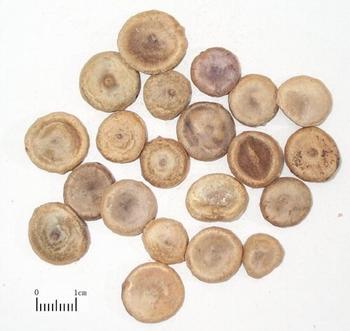 Ma Qian Zi: Chinese Herb Guide
Ma Qian Zi: activate blood and dredge collateral, alleviate pain, dissipate nodulation and resolve swelling.
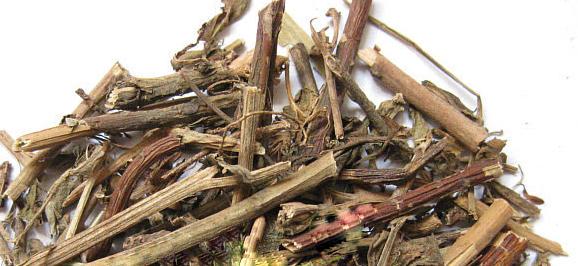 Jing Tian San Qi (Herba Sedi Aizoon)
Aizoon Stonecrop Herb: stop bleeding, resolve stasis, relieve toxicity, remove swelling and alleviate pain, tranquilize.
Su Mu (Sappanwood): Chinese Herb Guide
Su Mu (Sappanwood): activate blood and cure trauma, dispel stasis and dredge meridians.
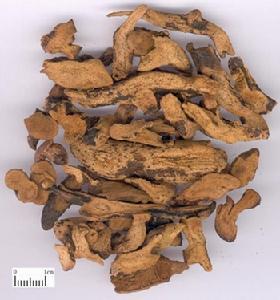 Gu Sui Bu: Chinese Herb Guide
Gu Sui Bu (Rhizoma Drynariae) — Yao Xing Lun (Treatise on Herb Property) The dry root tuber of perennial overgrowth fern plant Drynaria fortunei (Kunz
Something this article did not cover?
Ask us directly. We reply within two days, and good questions become public articles.
Ask a question →