
Qi-Moving Herbs
Tan Xiang: Chinese Herb Guide
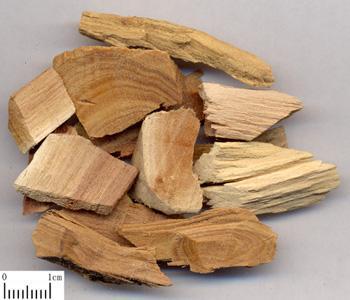
Name
Tan Xiang (Lignum Santali Albi)
The Effect of Tan Xiang
Property
Pungent, warm; spleen, stomach and lung meridians entered.
Actions
Move qi and soothe middle energizer, dispel cold and alleviate pain.
Indications
Gastric and abdominal cold pain due to congealing cold and qi stagnation, chest pain.
Dosage and Administrations
Decoct or take powder 1~3 g. It should be decocted later or grind into powder.
Cautions
Used with cautions for the case of yin deficiency and effulgent fire or hemorrhage due to excess heat.
Sources and further reading
We cite classical materia medica and modern reference works. This article is health education, not medical advice.
- Shennong Bencao Jing (The Divine Farmer's Materia Medica), Han dynasty.
- Bencao Gangmu (Compendium of Materia Medica), Li Shizhen, 1578.
- Chinese Pharmacopoeia, current edition — identity, quality and safety monographs.
- NCCIH and WHO reference material on traditional medicine safety.
Spotted an error or a better source? Tell us — corrections are logged on our editorial policy page.
Did this article help you?
Your answer shapes what gets rewritten next.
Keep readingRelated entries
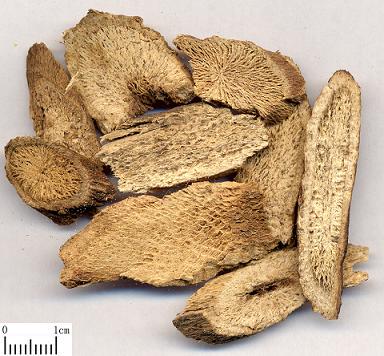 Costustoot (Radix Aucklandiae)
Mu Xiang (Radix Aucklandiae). The root of ****landia lappa Decne or Vladimiria Souliei (Franch.) Ling. of family Asteraceae
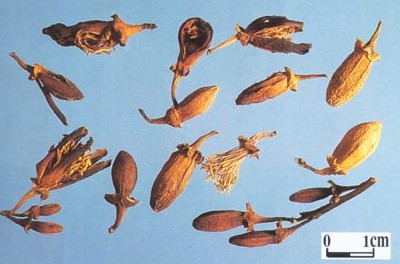 Fo Shou Hua (Finger Citron Flower)
Fo Shou Hua (Flos Citri Sarcodactylis) Slightly bitter, slightly warm; liver and stomach channels
Tan Xiang (Sandalwood)
Tan Xiang (Sandalwood): move qi and soothe middle burner, dispel cold and alleviate pain.
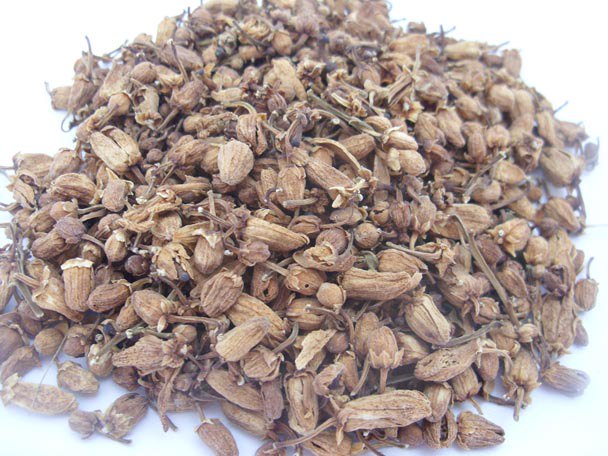 Dai Dai Hua: Chinese Herb Guide
Dai Dai Hua (Seville Orange Flower) Sweet, acrid, slightly bitter, neutral. Actions Soothe the liver, harmonize the stomach and regulate qi
Something this article did not cover?
Ask us directly. We reply within two days, and good questions become public articles.
Ask a question →