
Basic Conception in TCM
Treatment in Chinese Medicine
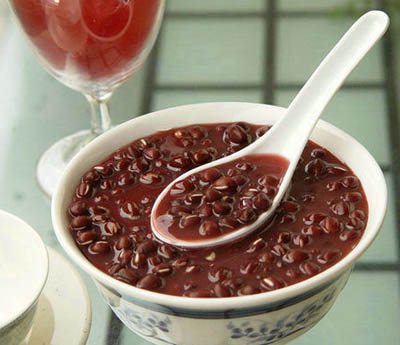
Four habits of TCM treatment
Treat before the disease, and hold the line once it starts
The “superior physician” is the one who acts early. Diagnose soon, treat in time, and follow the way this illness actually evolves so it does not deepen. That is prevention as a clinical stance, not a slogan.
Aim at the root
Do not be led only by the loudest symptom. Pain from a perforated viscus may quiet for a while with a drug; if the hole is still there, the pain returns. TCM’s claim is that you treat the pattern that produces the symptom, not the symptom as if it were the whole disease.
Stay flexible
Age, sex, constitution, habits and temperament change the same named disease. Season and time of day change the method. Climate and culture change what people can take. A formula that fits one person in one month may be wrong for another.
Treat according to the pattern (zheng)
Zheng is a snapshot of the pathology at this stage: cause, location, severity, direction of change, and the person’s setting. It is not the same as a list of symptoms, and it is not the same as a Western disease name. Differentiation means gathering looking, listening, asking and touching, then sorting cause and pattern — a trained reasoning process, not a keyword search.
What treatment can look like
Methods include internal herbs, external applications, hot compresses, acupuncture and moxibustion, cupping, massage and qigong. Food as therapy sits beside them.
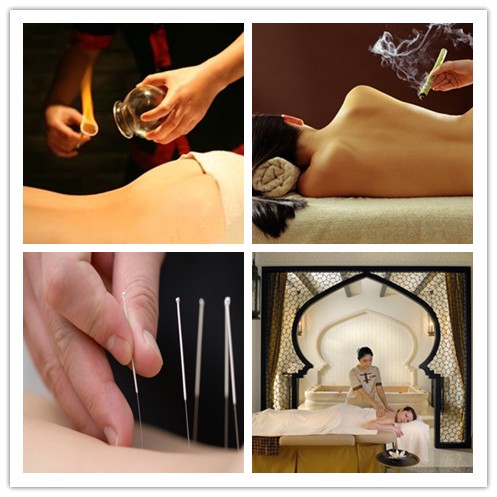
A full plan often has four parts: guidance on emotion (qing zhi); diet notes (ji kou); movement (walking, swimming, qigong); and herbs or acupuncture, moxibustion and massage. Body and mind are treated as one field.
Formulas are stored clinical experience. TCM grew as a medicine of trial and record. Facing the main pattern, choosing the right prescription and dose, and not getting lost in theory is still the practical core.
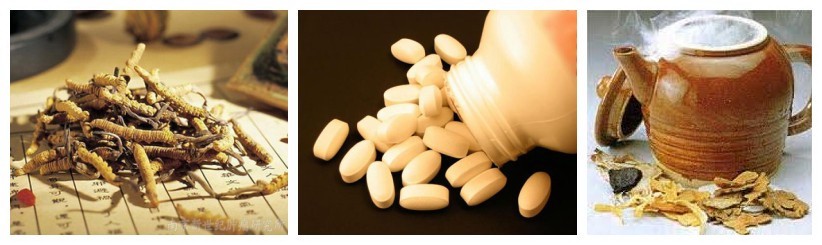
Forms include decoctions, pills, powders, pastes, “dan” preparations, and later capsules, granules, tablets and injections. The form should fit the person and the illness. People often come to TCM for chronic, stubborn or poorly explained problems when other options have limits. In mainland China, many clinicians also use modern tests and may combine Chinese and Western methods. Newer tools such as needle-knife, injectable herbal extracts and concentrated granules are modern additions, not ancient canon.
Sources and further reading
We cite classical materia medica and modern reference works. This article is health education, not medical advice.
- Shennong Bencao Jing (The Divine Farmer's Materia Medica), Han dynasty.
- Bencao Gangmu (Compendium of Materia Medica), Li Shizhen, 1578.
- Chinese Pharmacopoeia, current edition — identity, quality and safety monographs.
- NCCIH and WHO reference material on traditional medicine safety.
Spotted an error or a better source? Tell us — corrections are logged on our editorial policy page.
Did this article help you?
Your answer shapes what gets rewritten next.
Keep readingRelated entries
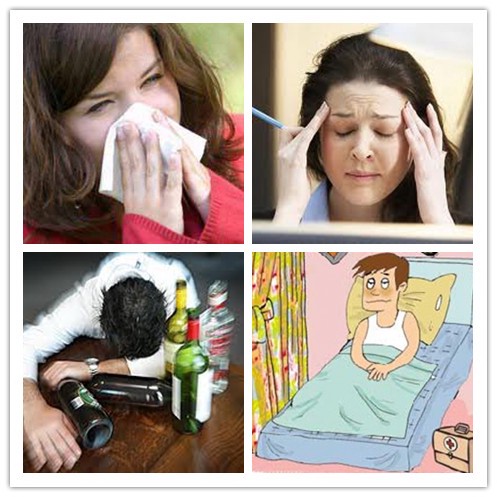 Disease: TCM Concept Guide
Today, modern medicine is quite advanced, but TCM is still widely used because of its significant clinical curative effect.
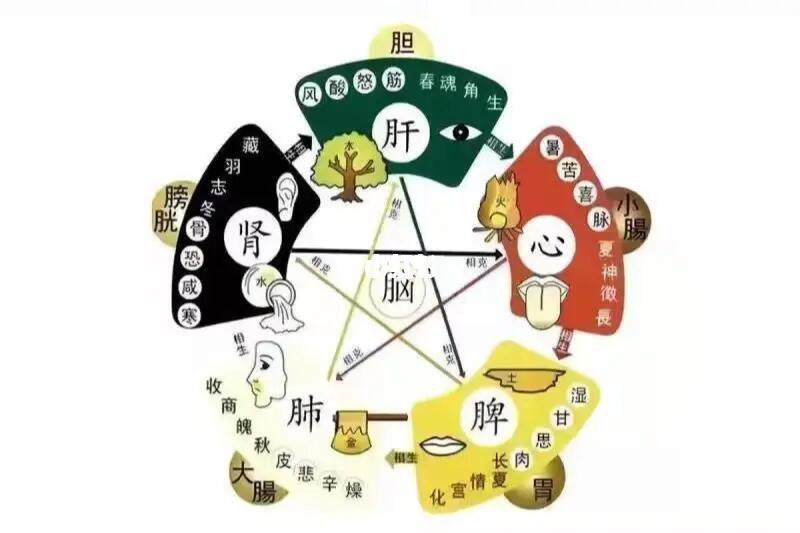 Holism: TCM Concept Guide
The basic characteristics of TCM Concept of syndrome differentiation and treatment are the two basic characteristics of TCM in understanding human.
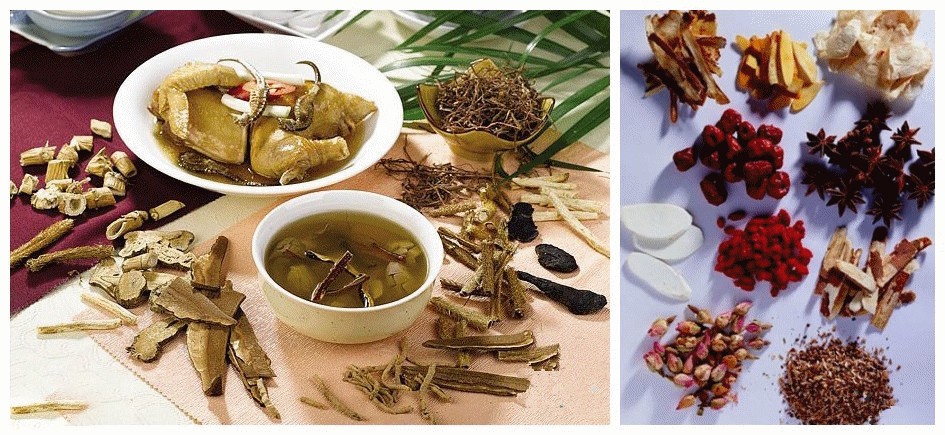 Health Care: TCM Concept Guide
Seeking from the origin we can find out that health preserving is an important part of the TCM culture, derived from ancient Chinese philosophy.
 Human and World: TCM Concept Guide
Nature has moon and sun, human has two eyes; nature has rainy and sonny days, people has happy also the bad days; nature has thunder, people have voice, etc...
Something this article did not cover?
Ask us directly. We reply within two days, and good questions become public articles.
Ask a question →