
Wind-Damp-Dispelling, tendons-Soothing and Collaterals-Activating Herbs
Wu Shao She
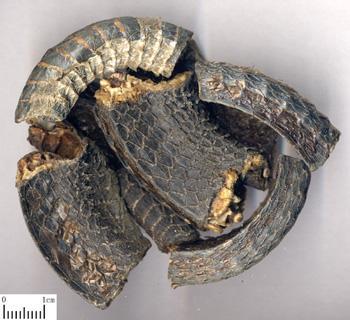
Naming
Wu Shao She (Zaocys)——Yao Xing Lun (Treatise on Herb Property)
The Processing of Wu Shao She
Origin
The dried body of Zaocys dhumnades (Cantor) of family Colubridae.
Location
Most parts of China.
Harvest
Collected in summer and autumn.
The actual smell and taste
Fishy in smell and bland in taste.
Best quality
Complete body with head and tail, black skin and yellow flesh, and solid quality.
Processing
Dried after removing viscera, cut into segments after throwing away the head and lepis, unprocessed or stir-baked with wine for use.
The Effect of Wu Shao She
Property
Pungent, sweet, mild, liver meridians entered.
Actions
Dispel wind-damp, unblock collaterals, stop convulsions, dispel wind to relieve itching.
Indications
A. Obstinate arthralgia syndrome due to wind-damp; hemiplegia due to windstroke
It is moving and unblocking in nature; its actions of dispelling wind-damp and unblocking collaterals are similar but mild to that of Qi She. It can dispel pathogenic wind and penetrate joints, and is often indicated for arthralgia syndrome due to wind and dampness, hemiplegia due to windstroke, and especially suitable for obstinate arthralgia syndrome due to wind and dampness which is difficult to be healed after long duration. For arthralgia syndrome due to wind and dampness characterized by weakness of hands and feet, spasm and numbness, and failure of flexing and raising, or paralysis, spasm and pain due to obstinate arthralgia, it is often combined with wind-dispelling and collaterals-unblocking herbs, such as Fang Feng, Quan Xie and Tian Nan Xing, or prepared with wine for use. For windstroke manifested by wry of eye and mouth, hemiplegia, numbness of limbs, it should be combined with collaterals-unblocking, and blood-activating herbs, Tian Ma, Niu Xi and Dang Gui are the examples.
B. Infantile convulsions, tetanus
It enters liver meridian and has the action of stopping convulsions. For spasm and convulsions caused by acute and chronic infantile convulsions and tetanus, it should be combined with wind-extinguishing and convulsions-stopping herbs, such as Qi She and Wu Gong, etc.
C. Rubella, pruritus
It also excels in dispelling wind to relieve itching, and can be used in treating pruritus due to various kinds of dermal diseases. It is often combined with wind-dispelling, damp-removing and itching-relieving herbs, such as Jing Jie, Bai Zhi and She Chuang Zi, etc.
Dosage and Administrations
Decoct 9~l2g; or ground into powder and take 2~3 g orally for each time; or used in pill, soaked in wine for use. Proper dosage is for topical administration.
Sources and further reading
We cite classical materia medica and modern reference works. This article is health education, not medical advice.
- Shennong Bencao Jing (The Divine Farmer's Materia Medica), Han dynasty.
- Bencao Gangmu (Compendium of Materia Medica), Li Shizhen, 1578.
- Chinese Pharmacopoeia, current edition — identity, quality and safety monographs.
- NCCIH and WHO reference material on traditional medicine safety.
Spotted an error or a better source? Tell us — corrections are logged on our editorial policy page.
Did this article help you?
Your answer shapes what gets rewritten next.
Keep readingRelated entries
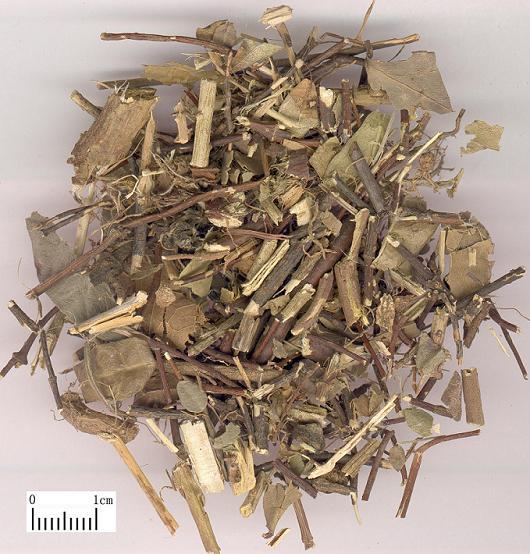 Luo Shi Teng (Chinese Starjasmine Stem)
: dispel wind-damp, unblock collaterals, cool blood and relieve swelling.
Luo Shi Teng: Chinese Herb Guide
Luo Shi Teng: dispel wind-damp, unblock collaterals, cool blood and relieve swelling.
Wu Shao She: Chinese Herb Guide
Wu Shao She: dispel wind-damp, unblock collaterals, stop convulsions, dispel wind to relieve itching.
Luo Shi Teng (Chinese Starjasmine Stem)
Luo Shi Teng (Chinese Starjasmine Stem): dispel wind-damp, unblock collaterals, cool blood and relieve swelling.
Luo Shi Teng: Chinese Herb Guide
Luo Shi Teng: dispel wind-damp, unblock collaterals, cool blood and relieve swelling.
Wu Shao She: Chinese Herb Guide
Wu Shao She: dispel wind-damp, unblock collaterals, stop convulsions, dispel wind to relieve itching.
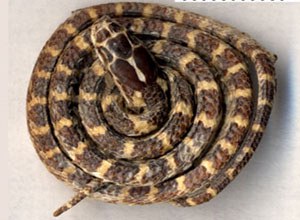 Qi She (Agkistrodon Snake)
Qi She: dispel wind-damp, sooth tendons and activate collaterals, dispel wind to relieve itching.
Qi She (Agkistrodon Snake)
Qi She: dispel wind-damp, sooth tendons and activate collaterals, dispel wind to relieve itching.
Something this article did not cover?
Ask us directly. We reply within two days, and good questions become public articles.
Ask a question →