
Heat-Clearing and Blood-cooling Herbs
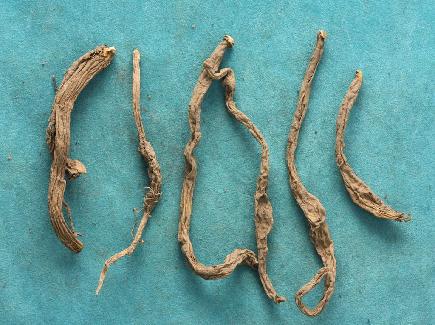
Xuan Cao Gen (Daylily Root)
Name
Xuan Cao Gen (Radices Hemerocallis)
The Effect of 萱草根
Property
Sweet, cool; spleen, lung and heart meridians entered.
Actions
Promote diuresis and cool blood.
Indications
Jaundice, nose bleeding, stranguria with turbid discharge, difficult urination, edema, morbid leucorrhea, hematochezia, metrorrhagia and metrostaxis, acute mastitis.
Dosage and Administrations
Decoct 6~9 g, or pounded into juice. Proper dosage is for external application. Pounded into powder for applying.
Cautions
It can not be taken overdose.
Sources and further reading
We cite classical materia medica and modern reference works. This article is health education, not medical advice.
- Shennong Bencao Jing (The Divine Farmer's Materia Medica), Han dynasty.
- Bencao Gangmu (Compendium of Materia Medica), Li Shizhen, 1578.
- Chinese Pharmacopoeia, current edition — identity, quality and safety monographs.
- NCCIH and WHO reference material on traditional medicine safety.
Spotted an error or a better source? Tell us — corrections are logged on our editorial policy page.
Did this article help you?
Your answer shapes what gets rewritten next.
Keep readingRelated entries
Radices Hemerocallis (Daylily Root)
Xuan Cao Gen (Radices Hemerocallis) Sweet, cool; spleen, lung and heart channels. Actions Promote diuresis and cool blood
 Di Huang (Rehmannia Root)
: clear heat and cool blood, stop bleeding, nourish yin.
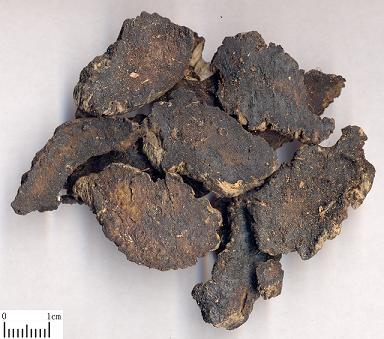
Di Huang (Rehmannia Root)
Di Huang (Rehmannia Root): clear heat and cool blood, stop bleeding, nourish yin.
 Shui Tian Qi: Chinese Herb Guide
Shui Tian Qi: rhizome is used as antipyetic, anti-inflammatary, antioncotic, analgesic and anti-malarial, for the treatment of gastroduodenal ulcer, chronic gastritis, pneumonitis, upper respiratory tract infection,.
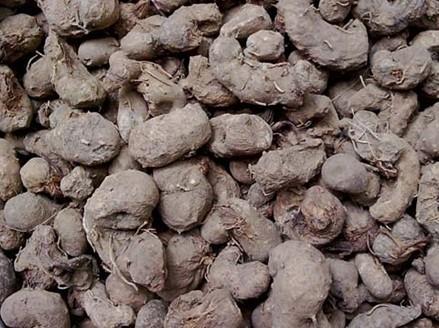
Shui Tian Qi (Lobedfruit Schizocapsa Rhizome)
Shui Tian Qi (Lobedfruit Schizocapsa Rhizome): rhizome is used as antipyetic, anti-inflammatary, antioncotic, analgesic and anti-malarial, for the treatment.
Shui Tian Qi: Chinese Herb Guide
Shui Tian Qi: rhizome is used as antipyetic, anti-inflammatary, antioncotic, analgesic and anti-malarial, for the treatment of gastroduodenal ulcer, chronic gastritis, pneumonitis, upper respiratory tract infection,.
Shui Tian Qi (Lobedfruit Schizocapsa Rhizome)
Shui Tian Qi (Lobedfruit Schizocapsa Rhizome): rhizome is used as antipyetic, anti-inflammatary, antioncotic, analgesic and anti-malarial, for the treatment.
Something this article did not cover?
Ask us directly. We reply within two days, and good questions become public articles.
Ask a question →