
Blood-Activating and Trauma-Curing Herbs
Xue Jie: Chinese Herb Guide
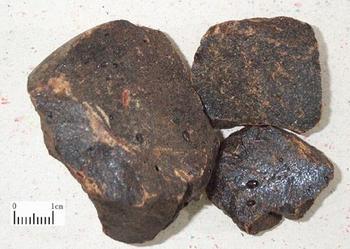
Naming
Xue Jie (Sangusis draconis)——Lei Gong Pao Zhi Lun (Lei’s Treaties on Preparation of Drugs)
The Processing of Xue Jie
Origin
The processed resin effused by the fruit of evergreen climbing shrub Daemonorops draco Bl. of family Palmae.
Location
Mainly in Indonesia, Malaysia and Iran, Guangdong and Taiwan provinces in China, mostly artificially raised.
Harvest
Collected in autumn.
The actual smell and taste
Light smell and taste.
Best quality
Iron-like black outside, blood-like red when ground into powder, chocking when burned with benzoic acid-like fragrance.
Processing
Smashed into pieces or ground into thin powder.
The Effect of Xue Jie
Property
Sweet, salty, neutral; heart and liver meridians entered.
Actions
Dispel stasis and alleviate pain, stop bleeding and promote tissue regeneration.
Indications
A. Traumatic injuries, stagnant pain of heart and abdomen
This herb can dissolve blood stasis, dredge meridians and vessels, resolve swelling and alleviate pain served as a miraculous herb in treating swelling and pain due to stasis. For traumatic injuries and stagnant swelling and pain, it is usually combined with other stasis-resolving analgesics. For instance it is combined with Ru Xiang, Mo Yao and Er Cha in Qi Li San from Liang Fang Ji Ye (Collections of Useful Prescriptions). It can activate blood, dissolve stasis, dredge meridians and alleviate pain indicated for swelling and pain due to blood stasis obstruction such as pain of heart and abdomen, amenorrhea, dysmenorrhea, and postpartum abdominal stagnant pain. For instance it is usually combined with blood-activating and meridian-dredging analgesics such as San Qi, Chuan Xiong and Dan Shen.
B. Traumatic bleeding
This herb can both dissolve stasis and stop bleeding with the hemostatic feature without retaining stasis. So it is indicated for the bleeding caused by stasis obstruction and failure of blood to circulate in vessels, especially to traumatic bleeding. It is made powder for external application singly or combined with stasis-resolving analgesics such as San Qi and Er Cha.
C. Unhealing of sores and ulcers
This herb is good at activating blood and resolving swelling, removing stasis and necrotic tissue, promoting tissue regeneration and healing wound, stopping bleeding and alleviating pain. So it is indicated for ulcerated sore and abscess not healed for a long time. It can astringe the wound to promote healing, and prevent necrosis and protect wound. It is ground into powder for external application or combined with tissue-regenerating and wound-healing herbs such as Ru Xiang and Mo Yao.
Dosage and Administrations
Mostly 1~2g in pill and powder for internal application. Ground into powder. Proper dose for external application.
Sources and further reading
We cite classical materia medica and modern reference works. This article is health education, not medical advice.
- Shennong Bencao Jing (The Divine Farmer's Materia Medica), Han dynasty.
- Bencao Gangmu (Compendium of Materia Medica), Li Shizhen, 1578.
- Chinese Pharmacopoeia, current edition — identity, quality and safety monographs.
- NCCIH and WHO reference material on traditional medicine safety.
Spotted an error or a better source? Tell us — corrections are logged on our editorial policy page.
Did this article help you?
Your answer shapes what gets rewritten next.
Keep readingRelated entries
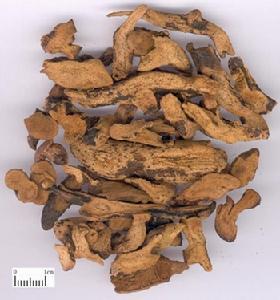 Gu Sui Bu (Fortune's Drynaria Rhizome)
: activate blood and cure trauma, tonify kidney.
Gu Sui Bu: Chinese Herb Guide
Gu Sui Bu (Rhizoma Drynariae) — Yao Xing Lun (Treatise on Herb Property) The dry root tuber of perennial overgrowth fern plant Drynaria fortunei (Kunz
Xue Jie (Sangusis draconis)
Xue Jie (Sangusis draconis): dispel stasis and alleviate pain, stop bleeding and promote tissue regeneration.
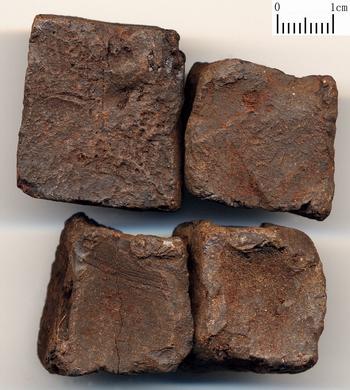 Er Cha: Chinese Herb Guide
Er Cha: activate blood and cure trauma, stop bleeding, promote regeneration and heal wound.
Something this article did not cover?
Ask us directly. We reply within two days, and good questions become public articles.
Ask a question →