
Qi-Moving Herbs
Yun Tai Zi (芸苔子)
Yun Tai Zi
Rapeseed
蕓苔子
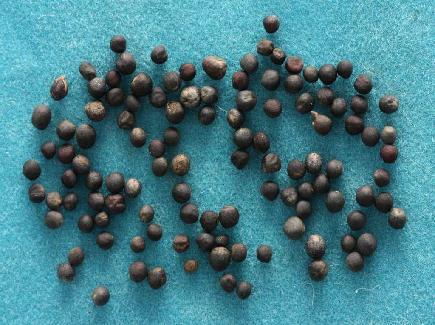
Name
Yun Tai Zi (Rapeseed)
The Effect of 芸苔子
Property
Pungent, warm; liver and large intestine meridians entered.
Actions
Promote the circulation of qi, relieve stagnant qi, resolve swelling and dissipate nodulation.
Indications
Erysipelas, abdominal pain due to blood stasis after birth, acute mastitis, bloody stranguria, hemorrhoids.
Dosage and Administrations
Decoct 3~9 g. Proper dosage is for external application. Pounded into powder for applying.
Sources and further reading
We cite classical materia medica and modern reference works. This article is health education, not medical advice.
- Shennong Bencao Jing (The Divine Farmer's Materia Medica), Han dynasty.
- Bencao Gangmu (Compendium of Materia Medica), Li Shizhen, 1578.
- Chinese Pharmacopoeia, current edition — identity, quality and safety monographs.
- NCCIH and WHO reference material on traditional medicine safety.
Spotted an error or a better source? Tell us — corrections are logged on our editorial policy page.
Did this article help you?
Your answer shapes what gets rewritten next.
Keep readingRelated entries
Yun Tai Zi: Chinese Herb Guide
Yun Tai Zi: promote the circulation of qi, relieve stagnant qi, resolve swelling and dissipate nodulation.
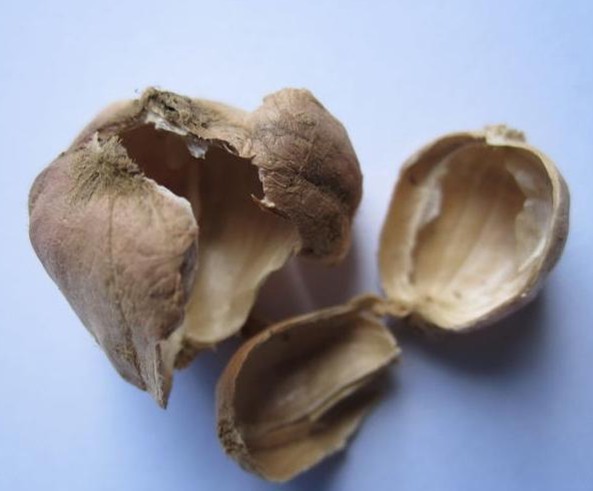 Dou Kou Ke: Chinese Herb Guide
Dou Kou Ke: eliminate dampness, promote the circulation of qi, warm the spleen and stomach, arrest vomiting.
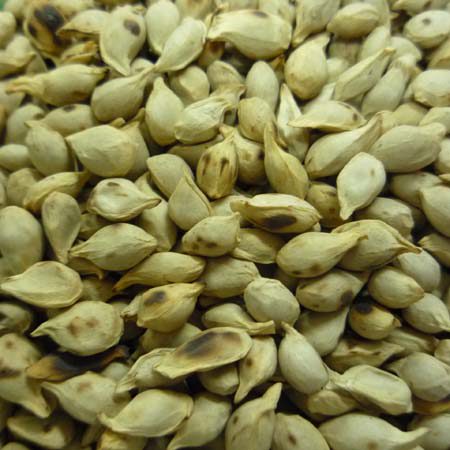 Ju He (Tangerine Seed)
Ju He (Semen Citri Reticulatae) Bitter, bland; liver channel. Actions Move qi, dissipate nodulation and alleviate pain
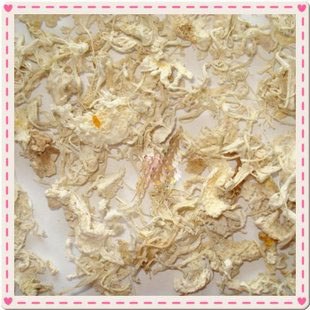 Ju Luo: Chinese Herb Guide
Ju Luo (Tangerine Pith) Sweet, bitter, neutral; liver and spleen channels. Actions Dredge meridians, regulate qi and resolve phlegm
Something this article did not cover?
Ask us directly. We reply within two days, and good questions become public articles.
Ask a question →