
Blood-Activating and Menstruation-Regulating Herbs
Kadsura Root-bark (Bark of Chinese Redbud)
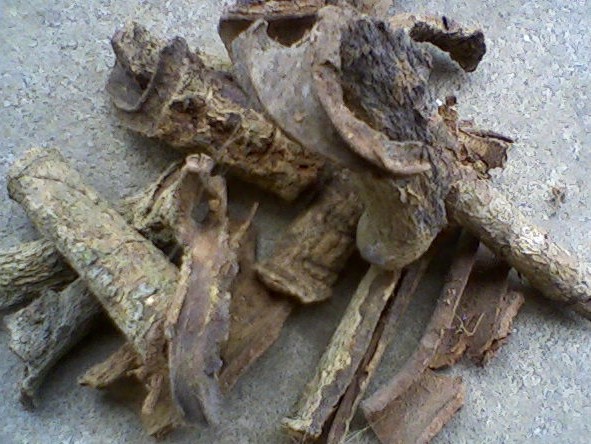
Name
Zi Jing Pi (Bark of Chinese Redbud)
The Effect of Zi Jing Pi
Property
Bitter, neutral; spleen, stomach and liver meridians entered.
Actions
Activating blood, stimulate the flow of menstruation, resolve swelling and remove toxicity.
Indications
Dysentery, sores and boils, snake and insect bites, traumatic injury, amenorrhea, pharyngitis, rheumatic arthritis, pain caused by the stagnation of Qi and blood.
Dosage and Administrations
Decoct 6~15 g, or soaked in wine, or made into pills and powder.
Cautions
It is contraindicated to pregnant women. Proper dosage is for external application. Pounded into powder for applying.
Sources and further reading
We cite classical materia medica and modern reference works. This article is health education, not medical advice.
- Shennong Bencao Jing (The Divine Farmer's Materia Medica), Han dynasty.
- Bencao Gangmu (Compendium of Materia Medica), Li Shizhen, 1578.
- Chinese Pharmacopoeia, current edition — identity, quality and safety monographs.
- NCCIH and WHO reference material on traditional medicine safety.
Spotted an error or a better source? Tell us — corrections are logged on our editorial policy page.
Did this article help you?
Your answer shapes what gets rewritten next.
Keep readingRelated entries
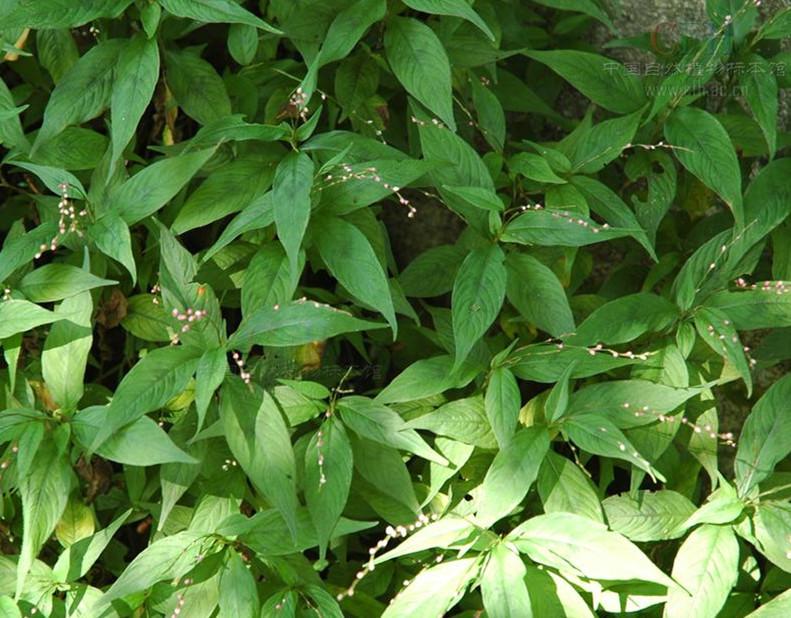 Cong Zhi Liao (Clustered knotweed herb)
: clear heat and dry dampness, strengthen the spleen and treat infantile malnutrition, activate blood and regulate.
Cong Zhi Liao (Clustered knotweed herb)
Cong Zhi Liao (Clustered knotweed herb): clear heat and dry dampness, strengthen the spleen and treat infantile malnutrition, activate blood and regulate.
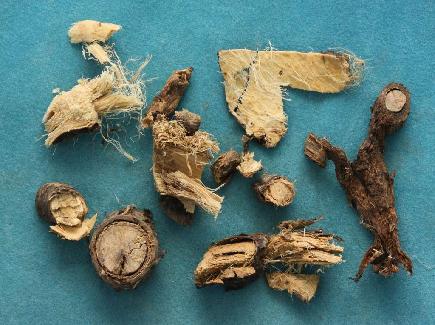 Jin Que Gen: Chinese Herb Guide
Jin Que Gen (Chinese Peashrub Root) Sweet, slightly pungent, neutral; lung and spleen channels. Actions Dispel wind-damp and activate blood
Jin Que Gen: Chinese Herb Guide
Jin Que Gen (Chinese Peashrub Root) Sweet, slightly pungent, neutral; lung and spleen channels. Actions Dispel wind-damp and activate blood
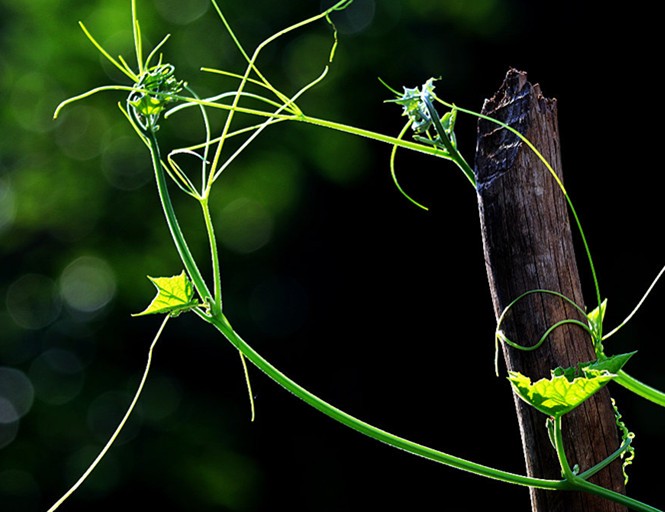 Si Gua Teng: Chinese Herb Guide
Si Gua Teng: dredge meridians and activate blood, strengthen the spleen and kill parasites.
Si Gua Teng: Chinese Herb Guide
Si Gua Teng: dredge meridians and activate blood, strengthen the spleen and kill parasites.
Something this article did not cover?
Ask us directly. We reply within two days, and good questions become public articles.
Ask a question →