
Yin Tonics
Bei Sha Shen: Chinese Herb Guide
Name
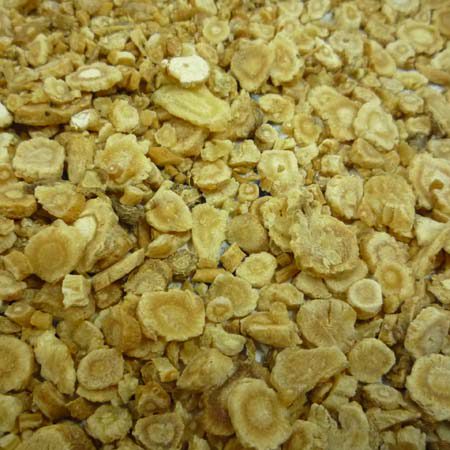
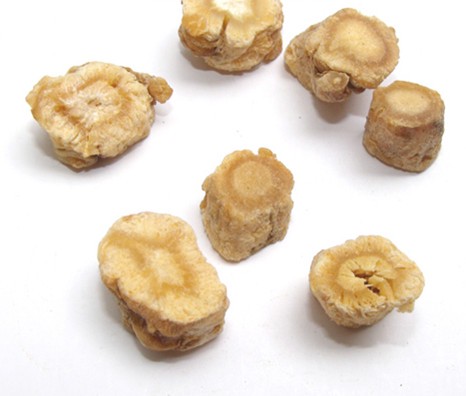
Bei Sha Shen (Radix Glehniae), from Hui Yan Ben Cao (Collection of Materia Medica)
Source and quality
The root of the perennial herbaceous plant Glehnia littoralis Fr. Schmidt ex Miq. of the family Umbelliferae. It is cultivated in most areas of China, and is plucked in summer and autumn.
It has a slight odor and is slightly sweet. The best grade is even and coarse, with the plug skin removed and a white-yellow color. It is used unprocessed.
Nature and action
Sweet and slightly cold. It enters the lung and stomach meridians.
It nourishes the yin of the lung and stomach and clears heat from the lung and stomach.
Indications
Lung yin deficiency syndromes
It nourishes lung yin and clears lung heat.
- For dry cough with scanty sputum, blood in the sputum, dryness of the throat and hoarseness due to lung yin deficiency with dryness-heat in the lung, it is combined with herbs that clear the lung and moisten dryness, such as Nan Sha Shen and Zhi Mu in Run Zao Yang Yin Tang from Yi Fang Xin Jie.
- For cough without sputum or with scanty sputum, blood in the sputum, hemoptysis, and bone-steaming and tidal fever due to lung yin deficiency, it is combined with herbs that nourish yin, moisten the lung, relieve cough and clear bone-steaming fever, such as Mai Dong, Zhi Mu, Chuan Bei Mu and Bie Jia.
Stomach yin deficiency syndromes
It is indicated for thirst with much drinking, hunger without appetite, dry stool, a tongue with no coating or a red tongue with little fluid, or stomachache, distension in the stomach and retching, because it nourishes stomach yin to generate fluids and relieve thirst, and clears stomach heat.
It is usually combined with herbs that nourish yin and generate fluids, such as Shi Hu, Yu Zhu and Wu Mei.
Dosage and administration
Decoct 10~15 g.
Sources and further reading
We cite classical materia medica and modern reference works. This article is health education, not medical advice.
- Shennong Bencao Jing (The Divine Farmer's Materia Medica), Han dynasty.
- Bencao Gangmu (Compendium of Materia Medica), Li Shizhen, 1578.
- Chinese Pharmacopoeia, current edition — identity, quality and safety monographs.
- NCCIH and WHO reference material on traditional medicine safety.
Spotted an error or a better source? Tell us — corrections are logged on our editorial policy page.
Did this article help you?
Your answer shapes what gets rewritten next.
Keep readingRelated entries
Bei Sha Shen (Coastal Glehnia Root)
Bei Sha Shen (Radix Glehniae) — HuiYan Ben Cao (Collection of Materia Medica) The root of the perennial Glehnia littoralis Fr. Schmidt ex Miq
 Ya Luan: Chinese Herb Guide
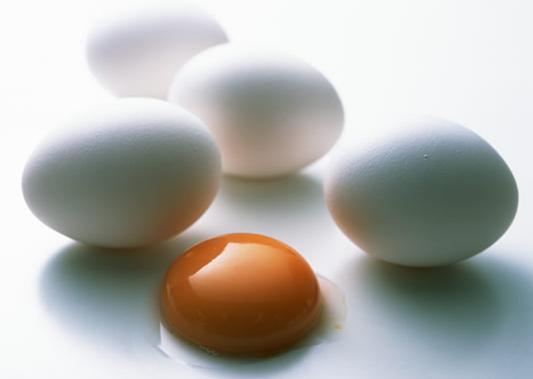
Ya Luan (Duck's egg) Sweet, cool; lung and large intestine channels. Actions Nourish yin, clear lung-heat, calm the liver, check diarrhea
Something this article did not cover?
Ask us directly. We reply within two days, and good questions become public articles.
Ask a question →